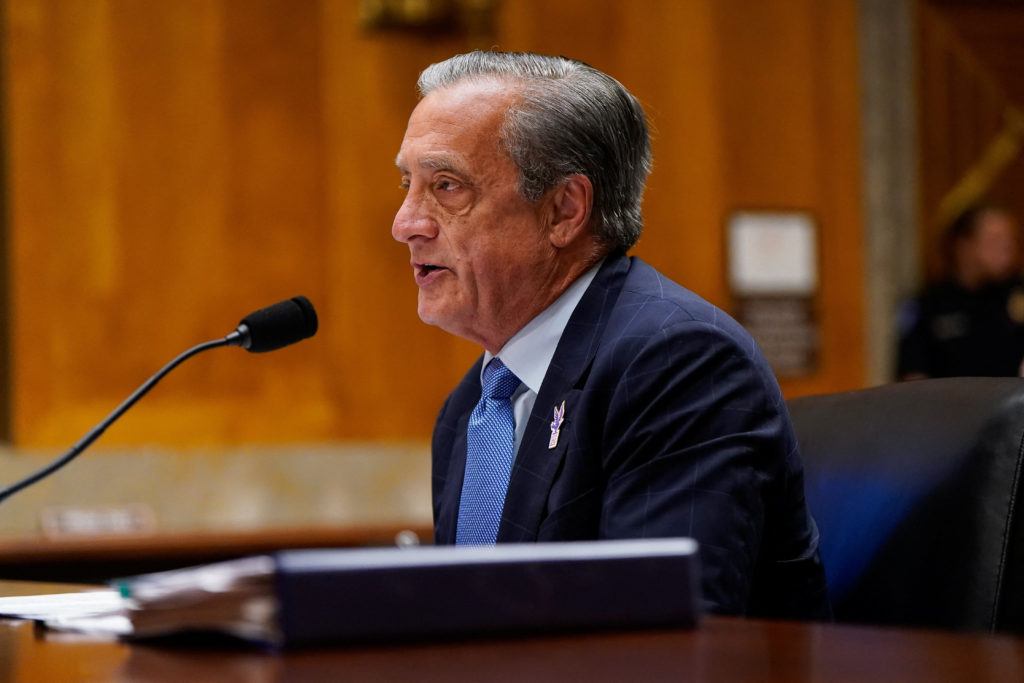
United States Postmaster General Louis DeJoy addressed the Senate Committee on Homeland Security and Governmental Affairs on Wednesday to discuss operational procedures regarding the handling of mail-in ballots during federal election cycles. During the hearing, DeJoy clarified the agency’s stance on the management of election mail, addressing concerns regarding the coordination between the United States Postal Service (USPS) and state election officials. The discussion centered on the logistical requirements for processing ballots, specifically regarding the verification of voter lists and the role of the postal service in maintaining election integrity.
The testimony followed ongoing national debates concerning the security of absentee and mail-in voting. While the discussion touched upon the potential for new internal policies, the Postmaster General emphasized that the USPS remains committed to its primary mission of delivering election mail in accordance with federal law and established service standards. According to the official USPS election mail guide, the agency coordinates closely with state and local election boards to ensure that ballots are processed efficiently, adhering to specific deadlines and handling protocols mandated by state statutes.
Understanding USPS Election Mail Procedures
The United States Postal Service operates under a mandate to prioritize election mail, which is categorized as “Political Mail” or “Election Mail” within the organization’s logistics network. According to reports from the USPS Office of Inspector General, the agency utilizes specialized tracking and processing procedures to minimize delays. These protocols include the use of unique Intelligent Mail barcodes that allow election officials to track the movement of ballot envelopes through the mail stream.

DeJoy noted that the operational efficiency of the system relies on the accuracy of the information provided by state and local authorities. When states provide updated voter rolls or lists of individuals requesting mail-in ballots, the USPS can better forecast volume and allocate resources to specific processing centers. This coordination is not a new requirement but rather a standard practice intended to prevent backlogs in areas experiencing high volumes of absentee ballot requests.
The Role of State Election Oversight
The authority to manage voter registration and the distribution of ballots resides at the state level, as established by the U.S. Constitution and subsequent federal legislation such as the Help America Vote Act (HAVA). Under current regulations, the U.S. Election Assistance Commission provides guidance to states on the maintenance of these lists. The interaction between the USPS and state officials is governed by the need to ensure that ballots reach eligible voters and are returned to the correct local election offices.
Critics of increased federal oversight in ballot logistics often point to the potential for administrative bottlenecks. However, supporters of standardized reporting argue that transparency in voter list management is essential for public confidence. The balance between state autonomy and federal logistical support remains a primary focus for congressional oversight committees, which continue to review the agency’s performance metrics through scheduled audits and public hearings.
What Happens Next for Mail-in Ballots
The Senate committee’s hearing serves as part of a broader review of election readiness ahead of the upcoming cycle. The USPS has stated that it will continue to implement its established “Election Mail” strategy, which includes an internal task force dedicated to monitoring the movement of ballots. The agency has encouraged voters to request their ballots early and to mail them back well before state-mandated deadlines to account for standard transit times.
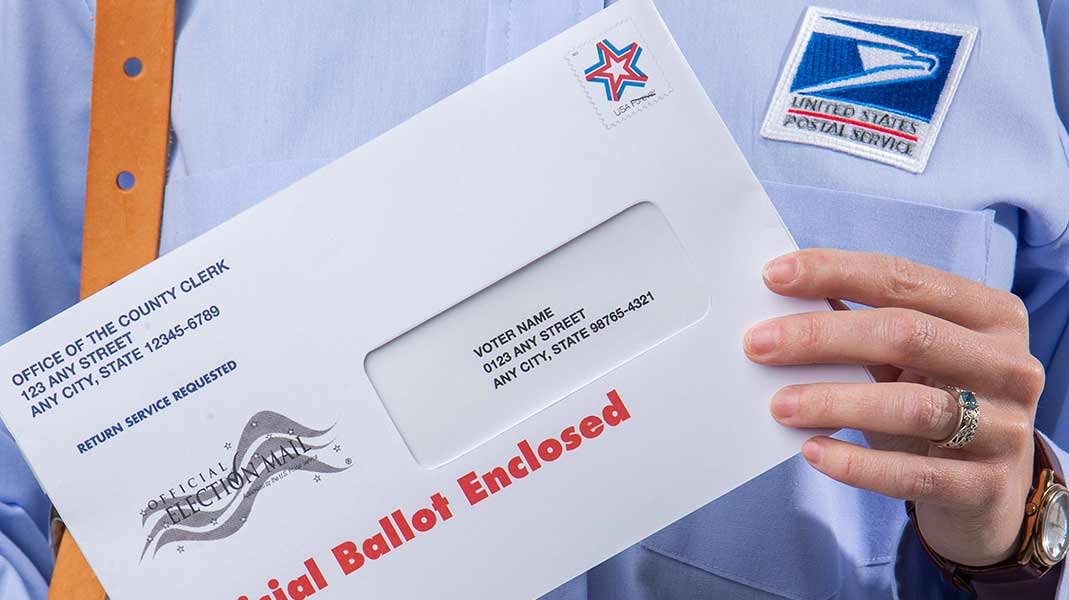
For voters seeking information on their specific state’s ballot tracking capabilities, the official federal voting portal provides direct links to state-level resources. Voters can check their registration status, request an absentee ballot, and track their ballot’s progress through their local election office’s website. The USPS has emphasized that it does not make decisions regarding voter eligibility; that authority remains exclusively with state election officials.
The committee is expected to hold further oversight hearings as the election season progresses to review the agency’s performance data. Updates regarding USPS operational guidelines are typically posted on the official USPS Newsroom. Readers are encouraged to share their experiences with local mail services or monitor official government updates for further developments on election mail handling. We welcome your thoughts on how election logistics affect your community in the comments section below.