
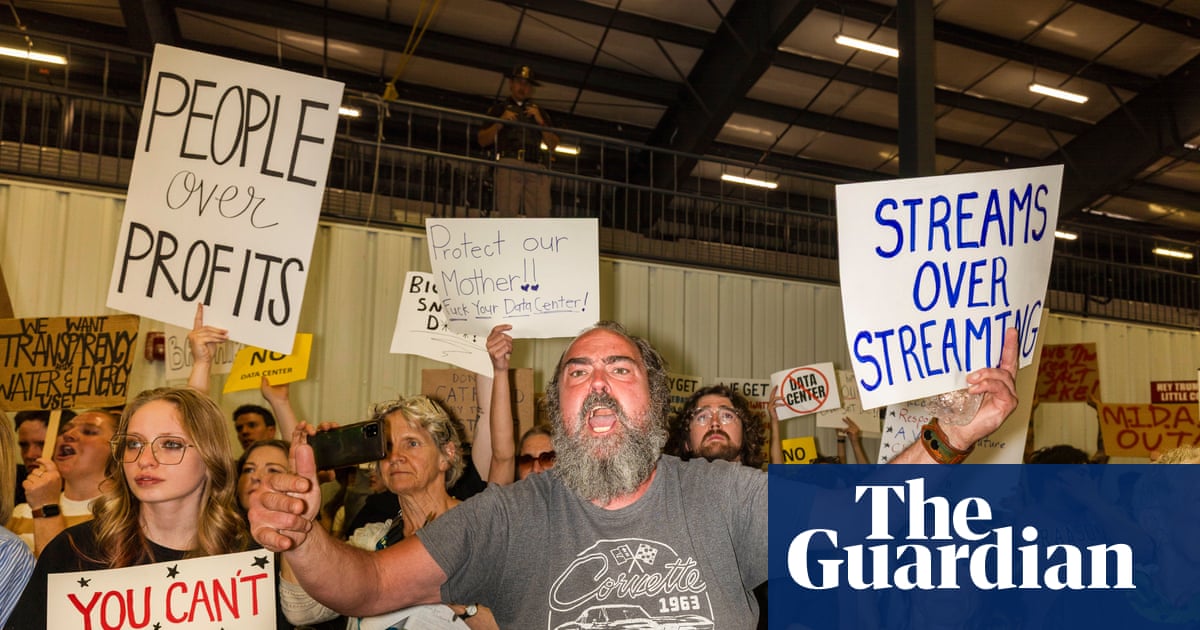
The approval of a massive AI infrastructure project in rural Utah has ignited a fierce debate over the environmental cost of the artificial intelligence race. The Box Elder County Commission recently greenlit the Stratos AI data center project, a development of such staggering proportions that its physical footprint is estimated to be more than twice the size of Manhattan.
Spanning over 40,000 acres across three separate sites in north-western Utah, the project represents one of the largest planned computing facilities in the world. However, the scale of the development has provoked an intense public backlash from residents and environmental advocates who argue that the project’s resource demands are fundamentally incompatible with the region’s fragile ecology.
At the heart of the controversy is a clash between the pursuit of global technological leadership and the survival of local natural resources. While proponents frame the project as a win for national security and the local economy, critics view it as an act of “digital colonization,” where the resource-heavy needs of Big Tech are imposed upon rural communities with little regard for long-term sustainability.
A Resource Demand Without Precedent
The sheer technical requirements of the Stratos facility have left local officials and residents stunned. According to project specifications, the data center will require approximately 9GW of power, a figure that exceeds the current total energy consumption of the entire state of Utah. This energy demand highlights the immense power hunger of generative AI, which requires significantly more electricity for training and inference than traditional cloud computing.
Beyond energy, the project’s water requirements have become a primary flashpoint. The facility is planned for a region already grappling with severe, multi-year droughts. Data centers rely on vast quantities of water for cooling their server arrays, and in an area where water rights are fiercely contested and supplies are dwindling, the introduction of an industrial-scale consumer has raised alarms about the viability of local agriculture and wildlife preservation.
The Threat to the Great Salt Lake
Environmentalists have warned that the Stratos project could deal a devastating blow to the Great Salt Lake ecosystem. The lake, which is already shrinking due to climate change and water diversion for farming, serves as a critical stopover for millions of migratory birds. Further depletion of the surrounding watershed to support the data center could accelerate the lake’s decline.
The consequences of a shrinking lake extend beyond ecology to public health. As the lake bed dries, it exposes vast flats of salt and sediment that can contain toxic minerals. Experts warn that this could create “toxic dust clouds” that may blow into nearby population centers, including Salt Lake City, posing significant respiratory risks to hundreds of thousands of residents.
National Security vs. Local Autonomy
The project has garnered high-profile support, including that of investor Kevin O’Leary. Backers argue that expanding the United States’ computing and energy production capacity is a matter of critical national security, ensuring that the U.S. Remains the global leader in AI development against international competitors.
From an economic standpoint, supporters claim the project will bring a surge of investment to Box Elder County. Promises have been made regarding the creation of thousands of construction jobs, though some analysts have questioned the long-term employment benefits once the initial building phase is complete, as data centers are notoriously low-employment facilities relative to their physical size.
Conversely, residents of Tremonton and surrounding areas feel they are being sidelined in a project that will fundamentally alter their landscape. “I love what technology can give us, but Big Tech has shown us that they are not accountable,” said Caroline Gleich, an environmental advocate and resident of nearby Park City. The sentiment among many locals is that the promises of economic prosperity are a thin veil for a project that offers little to the community while consuming its most precious resources.
The “Digital Colonization” Debate
The Utah conflict is being viewed by sociologists and political analysts as a microcosm of a broader trend across the American West and Midwest. The term “digital colonization” is increasingly used to describe the process where tech giants purchase vast tracts of land in “flyover states” to build infrastructure that serves a global user base but provides minimal local utility while straining local grids and aquifers.
This dynamic creates a tension between the “lofty promises” of AI’s world-changing benefits—such as medical breakthroughs and efficiency gains—and the tangible, localized costs of the hardware required to run those models. For the residents of Box Elder County, the “world-changing” nature of AI is less important than the immediate threat to their water supply and the integrity of their land.
The Path to Resistance
Despite the approval by the county commissioners on May 4, 2026, the battle is far from over. Thousands of residents have lodged formal objections, and a growing movement is seeking a way to bring the decision to a public vote. A group of rural residents is currently pushing for a ballot measure in November that would allow the community to oppose the development directly.
The legal and political struggle now centers on transparency and accountability. Opponents are calling for more comprehensive environmental impact studies and a clearer explanation of how the project will secure its 9GW of power without destabilizing the regional energy grid or driving up costs for local consumers.
Key Takeaways: The Stratos AI Controversy
- Unprecedented Scale: The project covers over 40,000 acres, making it more than twice the size of Manhattan.
- Energy Crisis: The facility requires 9GW of power, more than the current total consumption of the state of Utah.
- Ecological Risk: Potential depletion of water sources threatens the Great Salt Lake and increases the risk of toxic dust storms.
- Economic Tension: While backers promise jobs and national security advantages, locals fear “digital colonization” and environmental ruin.
- Democratic Pushback: Residents are organizing to force a public vote in November to overturn the county commission’s approval.
What Happens Next?
Developers are hoping to begin early site work this fall, but they face a mounting wall of legal challenges and community opposition. The immediate focus for activists is the effort to secure a November referendum, which could potentially halt the project before ground is broken.

The outcome of this struggle will likely serve as a precedent for how other states handle the arrival of “hyper-scale” AI data centers. As the demand for computing power continues to surge, the conflict in Utah highlights the urgent need for regulatory frameworks that balance technological ambition with ecological reality.
We will continue to monitor the filings in Box Elder County and the progress of the petition for a public vote. We invite our readers to share their perspectives on the balance between AI progress and environmental preservation in the comments below.