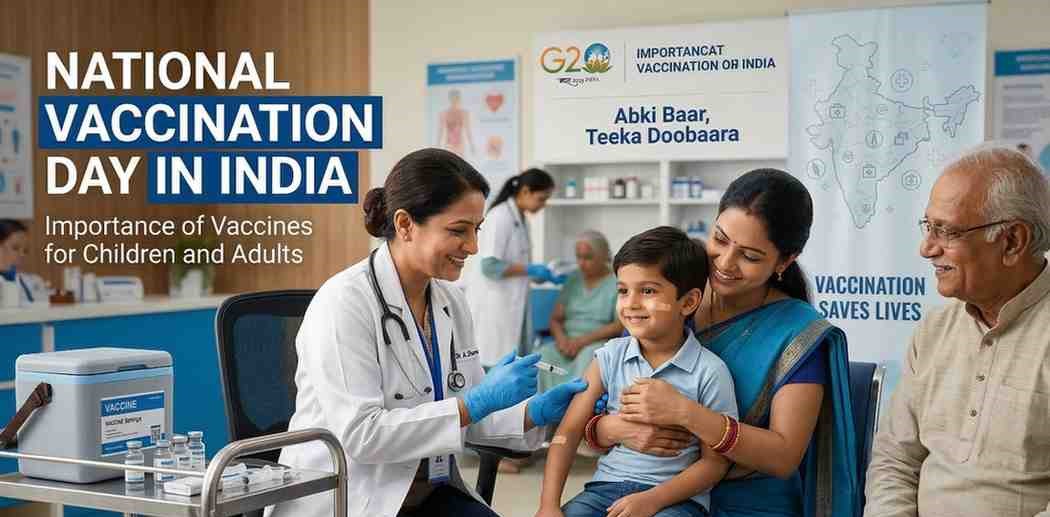
The importance of vaccination has been unequivocally demonstrated throughout medical history, yet misconceptions and hesitancy persist. As we observe National Vaccination Day, it’s crucial to reaffirm the scientific consensus: vaccines are among the most effective tools we have for preventing infectious diseases and protecting public health. While the benefits of immunization are well-established, understanding the reasons behind vaccine hesitancy – and addressing them with accurate information – is paramount. This article will explore common myths surrounding vaccines and provide evidence-based facts, reinforcing the critical role vaccination plays in safeguarding individuals and communities worldwide.
The development and widespread distribution of vaccines represent a triumph of modern medicine. Diseases that once caused widespread illness and death, such as polio, measles, and smallpox, have been dramatically reduced or even eradicated thanks to immunization programs. But, the re-emergence of preventable diseases in recent years underscores the ongoing need for robust vaccination efforts and continued public education. Maintaining high vaccination rates is not merely a personal health decision; it’s a collective responsibility that protects the most vulnerable members of society, including infants, the elderly, and those with compromised immune systems.
Recent data highlights the ongoing challenges to vaccine confidence. According to the Centers for Disease Control and Prevention (CDC), vaccination rates for some diseases remain below optimal levels, leaving communities susceptible to outbreaks. The CDC’s COVID-19 Vaccination Dashboard provides weekly updates on vaccination coverage, demonstrating the ongoing need for public health initiatives to promote vaccine uptake. A growing trend of states rejecting federal vaccine guidance, as reported by Stateline, with 29 states and the District of Columbia now operating independently of federal recommendations, adds a layer of complexity to national vaccination efforts.
Debunking Common Vaccine Myths
Despite the overwhelming scientific evidence supporting vaccine safety and efficacy, several myths continue to circulate, fueling vaccine hesitancy. Let’s address some of the most prevalent misconceptions:
Myth 1: Vaccines are unsafe and can cause severe illnesses.
This is perhaps the most enduring and damaging myth surrounding vaccines. The reality is that vaccines undergo rigorous testing and monitoring before they are approved for public use. Regulatory bodies, such as the Food and Drug Administration (FDA) in the United States and the European Medicines Agency (EMA) in Europe, meticulously evaluate vaccine safety and efficacy through multiple phases of clinical trials. These trials involve thousands of participants and are designed to identify any potential adverse effects. Post-market surveillance systems are also in place to continuously monitor vaccine safety and detect any rare or unexpected events. While mild side effects, such as soreness at the injection site or a low-grade fever, are common, serious adverse events are extremely rare.
Myth 2: Vaccine immunity is inferior to natural immunity.
While natural infection can indeed confer immunity, it comes at a significant risk. Contracting a vaccine-preventable disease can lead to severe illness, long-term complications, and even death. Vaccines, provide immunity without subjecting individuals to the dangers of the disease itself. They work by stimulating the immune system to produce antibodies, which provide protection against future infection. The immunity conferred by vaccines is often as strong, and sometimes even stronger and more durable, than that acquired through natural infection.
Myth 3: Children only need vaccinations.
Vaccination is a lifelong process, not just a childhood concern. Adults require booster shots to maintain immunity against certain diseases, and they are also susceptible to new infections for which they have not been vaccinated. Vaccines are available to protect adults against influenza, hepatitis B, tetanus, pertussis (whooping cough), shingles, and COVID-19, among others. Maintaining up-to-date vaccinations is crucial for protecting individual health and preventing the spread of disease within communities.
Myth 4: Vaccines are the cause of the disease they are supposed to prevent.
This misconception stems from a misunderstanding of how vaccines work. The vast majority of vaccines contain either inactivated (killed) or attenuated (weakened) components of the pathogen – the bacterium or virus that causes the disease. These components are not capable of causing the disease itself, but they are sufficient to stimulate an immune response. In some cases, vaccines may contain only a specific protein or fragment of the pathogen, further minimizing the risk of causing illness.
Myth 5: If a disease has become rare, it does not require vaccination.
The rarity of a disease is a direct result of successful vaccination programs. If vaccination rates decline, infectious diseases can quickly re-emerge and spread. This is why it’s crucial to continue vaccinating even when a disease is uncommon. Maintaining high vaccination coverage creates herd immunity, which protects those who are unable to be vaccinated, such as infants and individuals with compromised immune systems.
Myth 6: Vaccinations lead to long-term medical issues.
Numerous scientific studies have consistently demonstrated the safety of vaccines and have not established a causal link between vaccination and long-term medical issues. While some individuals may experience mild, temporary side effects, such as soreness or fever, serious adverse events are exceedingly rare. The benefits of vaccination far outweigh the risks.
Myth 7: An overabundance of vaccinations can suppress the immune system.
The human immune system is remarkably robust and capable of responding to numerous antigens simultaneously. The recommended immunization schedule is carefully designed by experts to provide safe and effective protection against a wide range of diseases. Vaccines do not weaken the immune system; rather, they strengthen it by preparing it to fight off future infections.
The Importance of School Vaccine Mandates
School vaccine mandates, which require students to be vaccinated against certain diseases before attending school, have been a cornerstone of public health for decades. Britannica provides a comprehensive overview of school vaccine mandates, detailing their history and legal basis. These mandates are designed to protect students and staff from outbreaks of preventable diseases, and they have been shown to be highly effective in increasing vaccination rates and reducing disease incidence. While school vaccine mandates have faced legal challenges in some areas, courts have generally upheld their constitutionality, recognizing the compelling public health interest they serve.
The legal landscape surrounding vaccine mandates is complex and varies by jurisdiction. Some states allow for religious or philosophical exemptions, while others have stricter requirements. The ongoing debate over vaccine mandates highlights the tension between individual liberties and the collective responsibility to protect public health.
Looking Ahead: Strengthening Vaccine Confidence
Addressing vaccine hesitancy requires a multifaceted approach that includes clear and accurate communication, community engagement, and collaboration between healthcare providers, public health officials, and community leaders. It’s essential to listen to people’s concerns and address their questions with empathy and respect. Providing accessible and reliable information about vaccines, dispelling myths, and highlighting the benefits of immunization are crucial steps in building vaccine confidence.
investing in research to develop new and improved vaccines is essential for protecting against emerging infectious diseases. Continued surveillance of vaccine-preventable diseases and monitoring of vaccination rates are also critical for identifying and addressing potential outbreaks.
The ongoing success of vaccination programs depends on the collective commitment of individuals, communities, and governments to prioritize public health and ensure that everyone has access to the life-saving protection that vaccines provide. As vaccination rates continue to be monitored and adjusted, and as new vaccines are developed, it is vital to stay informed and to make responsible choices based on the best available scientific evidence.
The next key date to watch is the upcoming meeting of the Advisory Committee on Immunization Practices (ACIP) in June 2024, where recommendations for the 2024-2025 influenza vaccine will be discussed. Staying informed about these updates is crucial for maintaining optimal protection against seasonal influenza. We encourage readers to share their thoughts and experiences with vaccination in the comments below and to share this article with their networks to promote informed decision-making.
Worth a look