
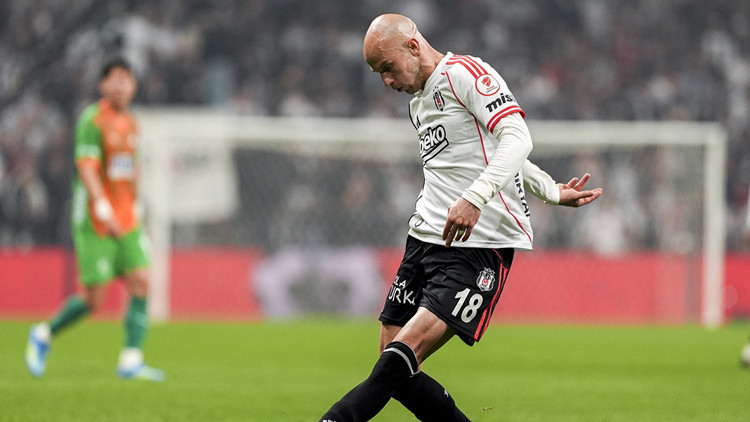
The stability of the Beşiktaş squad has come under scrutiny following a wave of reports suggesting a rift between the club and one of its key offensive assets. Václav Černý, the Czech international winger, has recently been the subject of intense speculation in the Turkish media, with claims surfacing that the player is seeking an exit from the Istanbul-based club.
These reports have created a stir among the fanbase, painting a picture of a player unhappy with his current situation and a board of directors resisting a mid-season departure. However, the narrative of a “crisis” has been met with a swift and categorical denial from the club’s leadership, who have characterized the rumors as entirely unfounded.
As a veteran of the European football circuit, I have seen many such “transfer crises” emerge from the press, often designed to destabilize a team ahead of critical fixtures. In the case of Černý, the disconnect between the media narrative and the official club stance highlights the volatile nature of the Turkish Süper Lig’s transfer ecosystem.
The Origins of the Departure Speculation
The current tension stems from reports appearing in Turkish media, most notably within the pages of Fanatik, which claimed that Václav Černý had expressed a desire to leave Beşiktaş. According to these accounts, the winger was allegedly dissatisfied and had requested a transfer during the January window, a request that was reportedly blocked by the club’s Board of Directors.

The reports further suggested that the situation had escalated to the point where the player’s representatives were involved in “crisis talks” in Istanbul to convey a determination to leave the club by the end of the season. Such claims typically signal a breakdown in the relationship between a player and the sporting director, often leading to a reduction in playing time or a forced sale to avoid a toxic dressing room environment.
For Beşiktaş, the timing of these reports is particularly sensitive. Maintaining squad harmony is paramount as the club navigates the pressures of the Süper Lig and contends with the high expectations of its supporters. The suggestion that a primary attacking threat is looking for the exit door is precisely the kind of news that can rattle a squad’s confidence.
Beşiktaş Issues Official Denial
Beşiktaş did not let the speculation linger. The club released a formal statement aimed at quelling the rumors and protecting the integrity of the team. In the statement, the club described the reports regarding a “Vaclav Cerny Crisis” as “entirely baseless in all its elements.”
The club specifically addressed the claim that the player wanted to leave during the mid-season transfer period and that his manager had communicated a desire for a season-end exit. Beşiktaş dismissed these assertions as “completely a product of imagination,” urging fans and the public not to give credence to “fabricated news stories” intended to tarnish the team’s image.
This strong language is a common tactic used by major Turkish clubs to shut down transfer narratives that they believe are being driven by external agendas or “desk-prepared” journalism. By framing the reports as an attempt to destabilize the club, Beşiktaş is signaling that Černý remains a trusted part of their sporting project.
Analyzing the Value of Václav Černý
From a technical perspective, It’s clear why Beşiktaş would be reluctant to let a player of Černý’s caliber leave under duress. The Czech winger brings a level of versatility and directness to the flank that is difficult to replace mid-season. His ability to create chances and his proficiency in dead-ball situations make him a vital component of the offensive rotation.
The player’s integration into the squad has been a focal point for analysts, as his performance metrics often dictate the fluidity of Beşiktaş’s wing play. When a player of this profile is linked with a departure, it often triggers a ripple effect, leading to speculation about which clubs might be interested and how the club would replace his specific output.
The conflict between the reported “unhappiness” and the club’s “denial” often leaves the player in a difficult position. Until the player himself speaks publicly, the truth remains caught between the reporting of the Turkish press and the official communications of the club’s board.
What In other words for the Squad
Regardless of whether the rumors hold a grain of truth or are entirely fabricated, the public nature of the row creates a distraction. In professional football, the “transfer saga” is often a psychological battle. If the player is indeed happy, these reports can create unnecessary friction; if he is unhappy, the club’s denial is a strategic move to maintain leverage in future negotiations.

For the Beşiktaş board, the priority remains the current campaign. Allowing a key player to be pushed out by media pressure would set a precarious precedent. By standing firm, the club asserts its authority over the squad’s composition and signals to other players that exits will only happen on the club’s terms.
The impact on the pitch will be the ultimate indicator of the situation. If Černý continues to feature prominently in the starting lineup and maintains his performance levels, the club’s official statement will be vindicated. Conversely, a sudden drop in minutes would suggest that the “imaginary” crisis had a very real basis in the dressing room.
The next official update regarding the squad’s status is expected during the next scheduled press conference following the club’s upcoming fixtures, where the coaching staff may be asked to clarify the player’s role and current standing within the team.
Do you think Beşiktaş is right to dismiss these reports, or is this a sign of a deeper issue within the squad? Share your thoughts in the comments below.