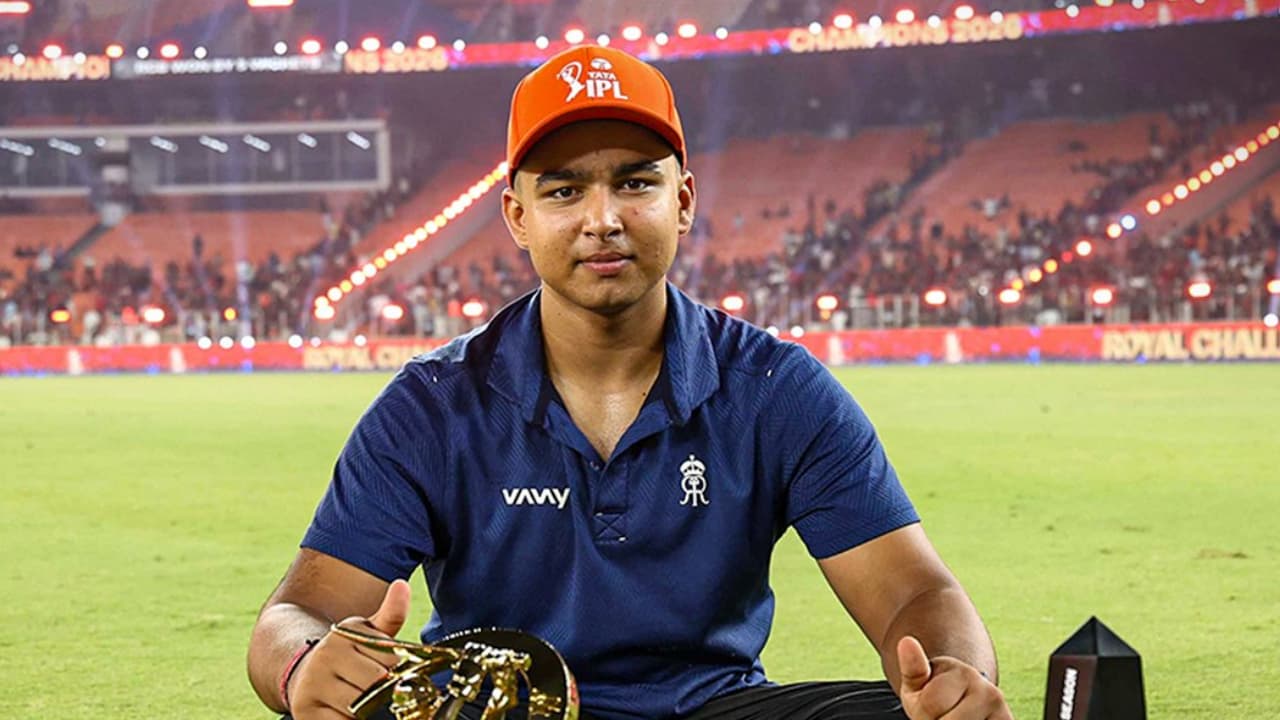
In the high-stakes world of modern cricket, few names have generated as much buzz in recent months as teenager Vaibhav Suryavanshi. As the Indian Premier League (IPL) continues to redefine the economics of global sports, the emergence of young talents like Suryavanshi—who recently made waves with his record-breaking performances in domestic circuits—highlights a significant shift in how market value and professional potential are perceived in the sport.
The 13-year-old batting prodigy from Bihar has captured the attention of scouts and commercial stakeholders alike. His rapid ascent, marked by aggressive stroke play and an ability to dominate bowling attacks at a level far beyond his age, has naturally led to intense speculation regarding his financial trajectory. In the context of the IPL, where player valuations are intrinsically linked to on-field impact and marketability, the “Vaibhav Suryavanshi factor” represents a new frontier for sports marketing agencies and talent management firms.
The Economics of Emerging Talent in the IPL
The financial ecosystem surrounding the IPL is unparalleled, with the league recently being valued at approximately $16.4 billion by D&P Advisory. For young athletes, entering this ecosystem is not merely about securing a roster spot; it is about establishing a brand identity that appeals to a global audience. The commercial interest in players like Suryavanshi is driven by a combination of statistical anomalies—such as his high strike rates and boundary-hitting prowess—and the narrative appeal of a “prodigy” story, which resonates deeply with sponsors and broadcasters.

While reports of his specific endorsement earnings often circulate in speculative media, the professionalization of youth cricket in India is governed by strict Board of Control for Cricket in India (BCCI) guidelines. According to the BCCI official guidelines, the financial pathways for underage players are carefully managed to ensure their development remains the priority over commercial exploitation. Any discussion regarding his “market value” must be viewed through the lens of a developing professional athlete rather than an established commercial entity.
Statistical Brilliance and the “Six-Machine” Narrative
What has truly set Suryavanshi apart is his performance in age-group cricket, particularly in the Vinoo Mankad Trophy. His ability to clear the ropes with consistency has led to comparisons with some of the most destructive hitters in the history of the T20 format. Analysts often point to his high boundary percentage as a key indicator of his future utility in T20 leagues, where the ability to maintain a high strike rate from the first ball is a premium skill.
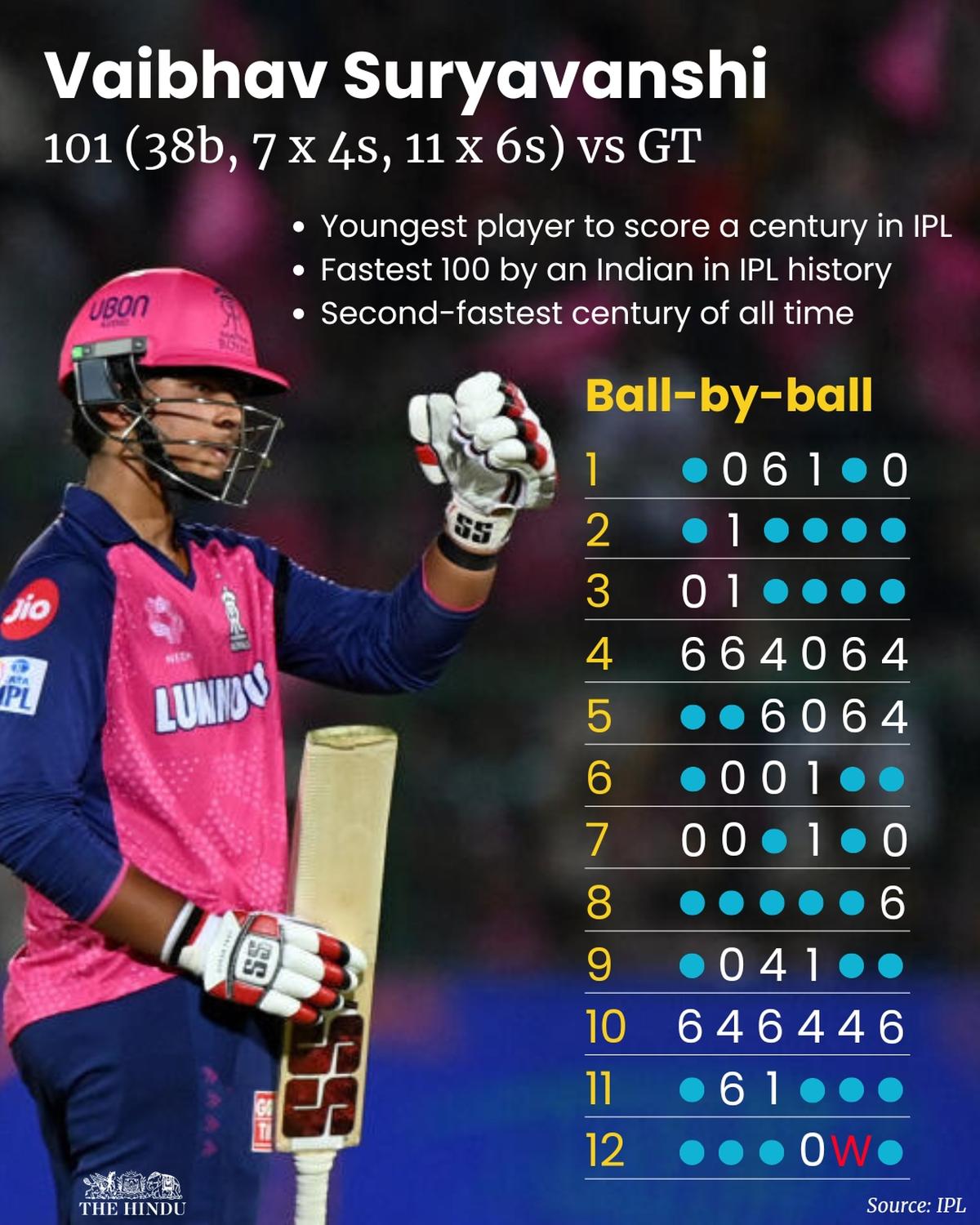
However, sports analytics experts warn against over-extrapolating data from junior-level cricket. While statistics like “72 sixes in a season” (often cited in regional reports) serve as compelling narratives, the transition to the elite level—where bowlers possess superior tactical acumen and variety—remains the ultimate test. The ESPNcricinfo database provides comprehensive records of domestic performances, which remain the most reliable metric for evaluating such prospects, rather than viral social media statistics that often lack the necessary context of pitch conditions and opposition strength.
Beyond the Field: The Role of Media and Marketing
The intense focus on Suryavanshi’s diet, training routine, and personal habits reflects the modern “celebrity-athlete” culture. In an era where fans demand 24/7 access to the lives of their sporting heroes, the narrative surrounding a young player’s lifestyle often becomes as important as their technical skill. This creates a complex environment for the athlete, who must balance the pressures of public scrutiny with the fundamental requirements of athletic growth and education.
For the sports editorial community, the challenge lies in reporting on these developments with the necessary skepticism. While the excitement surrounding a young talent is understandable, we must maintain a focus on long-term sustainability. The history of cricket is filled with “the next big thing,” and the difference between potential and sustained success often comes down to the support structures provided by state associations and the BCCI’s National Cricket Academy (NCA).
Looking Ahead: The Development Path
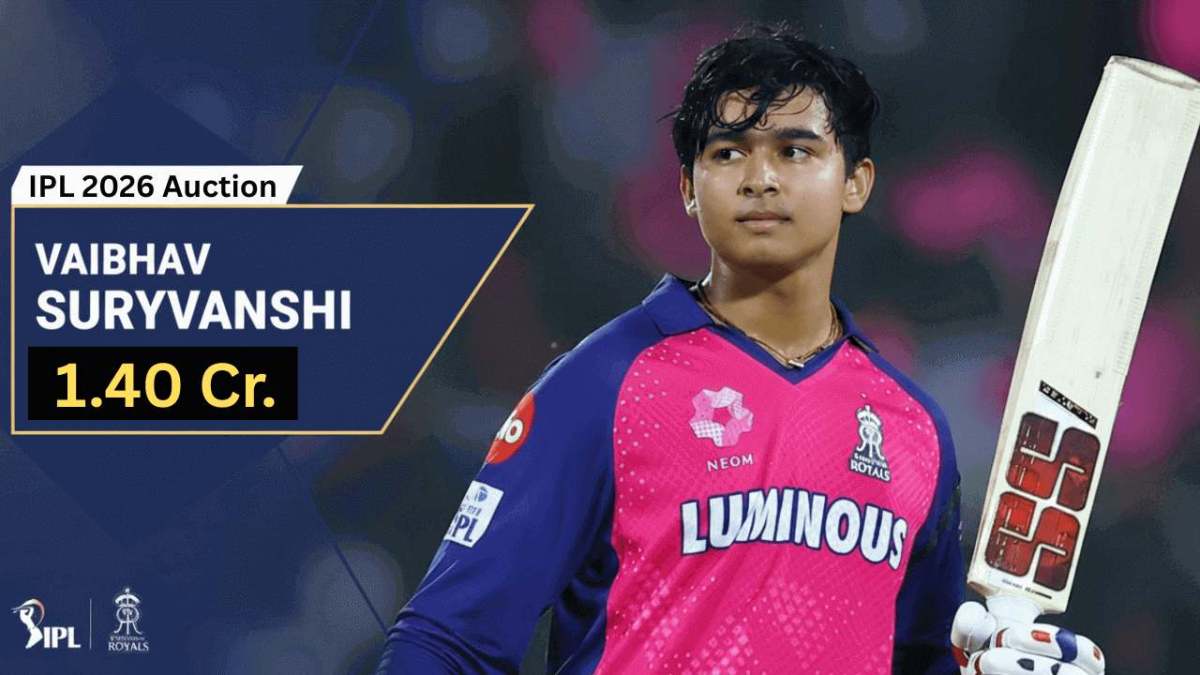
As we look toward the upcoming domestic season and the next IPL auction cycle, the focus for Vaibhav Suryavanshi will remain on consistency and tactical evolution. The path from a junior standout to an IPL regular is fraught with challenges, and the scrutiny he faces at such a young age is a unique pressure point. The next checkpoint for observers of the sport will be his performance in senior-level domestic tournaments, where he will face the rigors of professional-grade opposition.
The sports world will undoubtedly continue to watch his progress with keen interest. Whether he fulfills the immense expectations placed upon him remains to be seen, but his journey serves as a fascinating case study in how the modern sporting landscape identifies, nurtures, and markets the next generation of global icons.
What are your thoughts on the early commercialization of young sporting talent? Do you believe the current systems are sufficient to protect the well-being of teenage athletes? Share your insights in the comments section below or join the conversation on our social media channels.
Keep reading