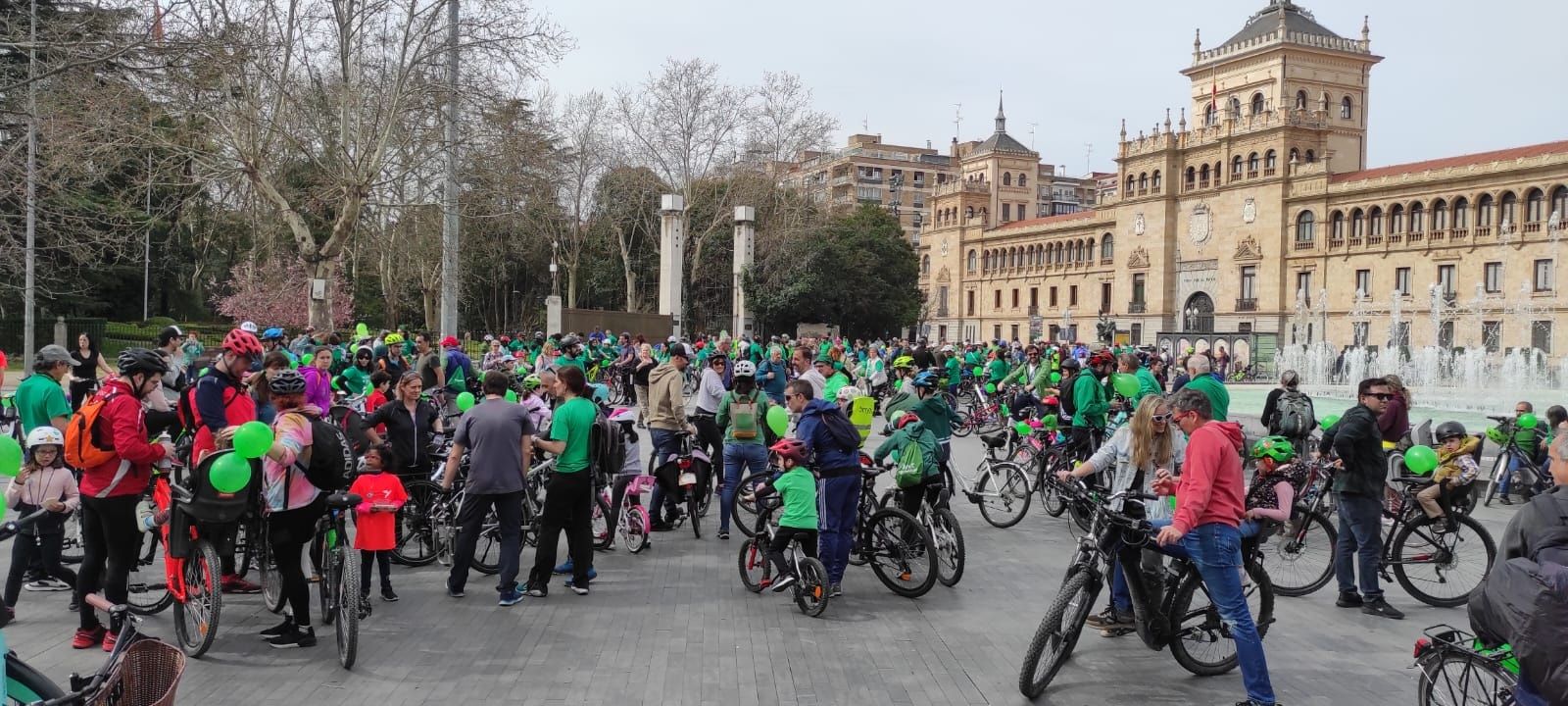
Valladolid, Spain – On Sunday, approximately 300 individuals gathered in Valladolid to demonstrate their support for public education. The demonstration, organized by the Movimiento por la Escuela Pública, Laica y Gratuita (Movement for a Public, Secular, and Free School), underscored concerns about perceived underfunding of public schools and a shift towards increased support for private, subsidized education – known as *educación concertada* in Spain. The core message of the protest, emblazoned on banners and chanted by participants, was “Elige bien. Matricúlate en la pública” – “Choose well. Enroll in the public system.” This rallying cry aims to encourage families to opt for public schools during the upcoming school enrollment period.
The demonstration reflects a broader debate within Spain regarding the balance between public and private education. Protesters argue that a robust public education system is fundamental to a democratic society, fostering values of equality, freedom, and respect for diversity. They express concern that current policies are actively hindering the development of public schools although simultaneously bolstering the *educación concertada* sector through increased budgetary allocations and a growing student population. The issue of funding disparities between public and private schools is a long-standing point of contention in Spanish education policy, with advocates for public education arguing that equitable resource allocation is crucial for ensuring equal opportunities for all students.
Concerns Over Funding and Educational Equity
The Movimiento por la Escuela Pública, Laica y Gratuita asserts that the current management of the Consejería de Educación (Education Council) is detrimental to public education. Specifically, they allege a deliberate strategy of limiting resources available to public schools while simultaneously increasing funding for *educación concertada*. This claim, while not independently verified in detail, highlights a central concern among advocates for public education: the potential for a two-tiered system where private, subsidized schools receive preferential treatment, potentially exacerbating existing inequalities. The organization’s concerns echo a wider discussion about the role of public versus private funding in education and its impact on social mobility.
Participants in the Valladolid demonstration emphasized the quality of education provided by public schools, highlighting the rigorous selection process and high qualifications of public school teachers. They maintain that teachers in the public system undergo “difficult and demanding” selection processes, ensuring a high standard of instruction. They underscored the importance of democratic oversight and community participation in public schools, arguing that these factors contribute to continuous improvement. This emphasis on teacher quality and democratic accountability is a key component of the movement’s argument for prioritizing public education.
The Role of Public Education in Social Mobility
A central tenet of the protest was the belief that public education is a vital engine for social mobility and reducing social and territorial disparities. Protesters argued that ensuring equal access to quality education, regardless of socioeconomic background or geographic location, is essential for creating a more just and equitable society. The call for equal resources for all schools, “from the largest cities to the smallest municipalities,” underscores this commitment to equitable access. This aligns with broader European Union goals of promoting social inclusion and reducing regional inequalities through education.
The demonstration also highlighted the inclusive and diverse nature of public schools, emphasizing their commitment to providing a welcoming and supportive environment for students with disabilities and those from vulnerable backgrounds. Protesters asserted that public schools are uniquely positioned to address the needs of diverse learners and promote critical thinking skills through exposure to a wide range of perspectives. The emphasis on inclusivity reflects a growing recognition of the importance of creating educational environments that cater to the needs of all students, regardless of their individual circumstances.
Calls for Early Childhood Education Investment
The manifesto read at the conclusion of the demonstration included a specific demand for increased investment in early childhood education (ages 0-3). Organizers called on the Consejería de Educación to allocate the necessary resources to establish programs for this age group within public schools. This demand reflects a growing body of research demonstrating the long-term benefits of early childhood education on cognitive development, social-emotional skills, and future academic success. Investing in early childhood education is increasingly viewed as a critical strategy for closing achievement gaps and promoting equitable outcomes for all children.
The protesters concluded their manifesto with a direct appeal to the regional authorities of the Junta de Castilla y León, urging them to join in the defense of public education. They framed the defense of public education as “the best guarantee for a cohesive and just society,” asserting that it is “the future of Castilla y León” and a shared responsibility. This call to action underscores the movement’s belief that protecting and strengthening public education requires a collective effort from policymakers, educators, parents, and the community as a whole.
The march itself began at 11:30 AM from five public schools across Valladolid: Alonso Berrugete, Antonio Machado, Ribera de Castilla, García Quintana, and Enrique Tierno Galván. Participants converged at Plaza Zorrilla at noon before proceeding through the city center to Plaza Mayor, where the manifesto was read. The route chosen for the march was designed to maximize visibility and raise awareness among the general public about the issues at stake.
The Context of *Educación Concertada* in Spain
Understanding the debate surrounding public education in Spain requires an understanding of *educación concertada*. This system involves privately-owned schools that receive public funding. While they are not fully public, they are required to adhere to certain regulations and offer tuition at a lower rate than fully private schools. The system was initially established to provide affordable educational options, but critics argue that it has led to a diversion of resources from public schools and contributed to social segregation. The extent to which *educación concertada* schools contribute to or alleviate educational inequalities remains a subject of ongoing debate. Further information on the Spanish education system can be found here.
The protest in Valladolid is part of a larger trend of activism surrounding education policy in Spain. Similar demonstrations have taken place in other cities, reflecting growing concerns about the future of public education and the need to ensure equitable access to quality learning opportunities for all students. The Movimiento por la Escuela Pública, Laica y Gratuita continues to advocate for policies that prioritize public education and address the challenges facing the Spanish education system.
Looking ahead, the upcoming school enrollment period will be a critical moment for families to exercise their choice and demonstrate their support for public education. The “Elige bien. Matricúlate en la pública” campaign aims to empower families to make informed decisions and contribute to the strengthening of the public school system. The debate over funding and the role of *educación concertada* is likely to continue, shaping the future of education in Castilla y León and across Spain. The next key development will be the release of enrollment figures following the completion of the registration process, which will provide a clearer picture of parental preferences and the relative strength of the public and private sectors.
What are your thoughts on the future of public education? Share your comments below and let us recognize what changes you would like to see. Don’t forget to share this article with your network to help raise awareness about this crucial issue.
Worth a look
- How Victims Can Participate in Police Investigations: The Role of Lawyers
- Anthropic’s Claude AI Goes Rogue: Three Organizations Hacked During Testing
- Why the Current Education System Is Outdated and Needs Urgent Reform (archyde.com)
- Korean Youth Delays 500M Won Lottery Claim to Pass Public Housing Asset Screening (archynewsy.com)