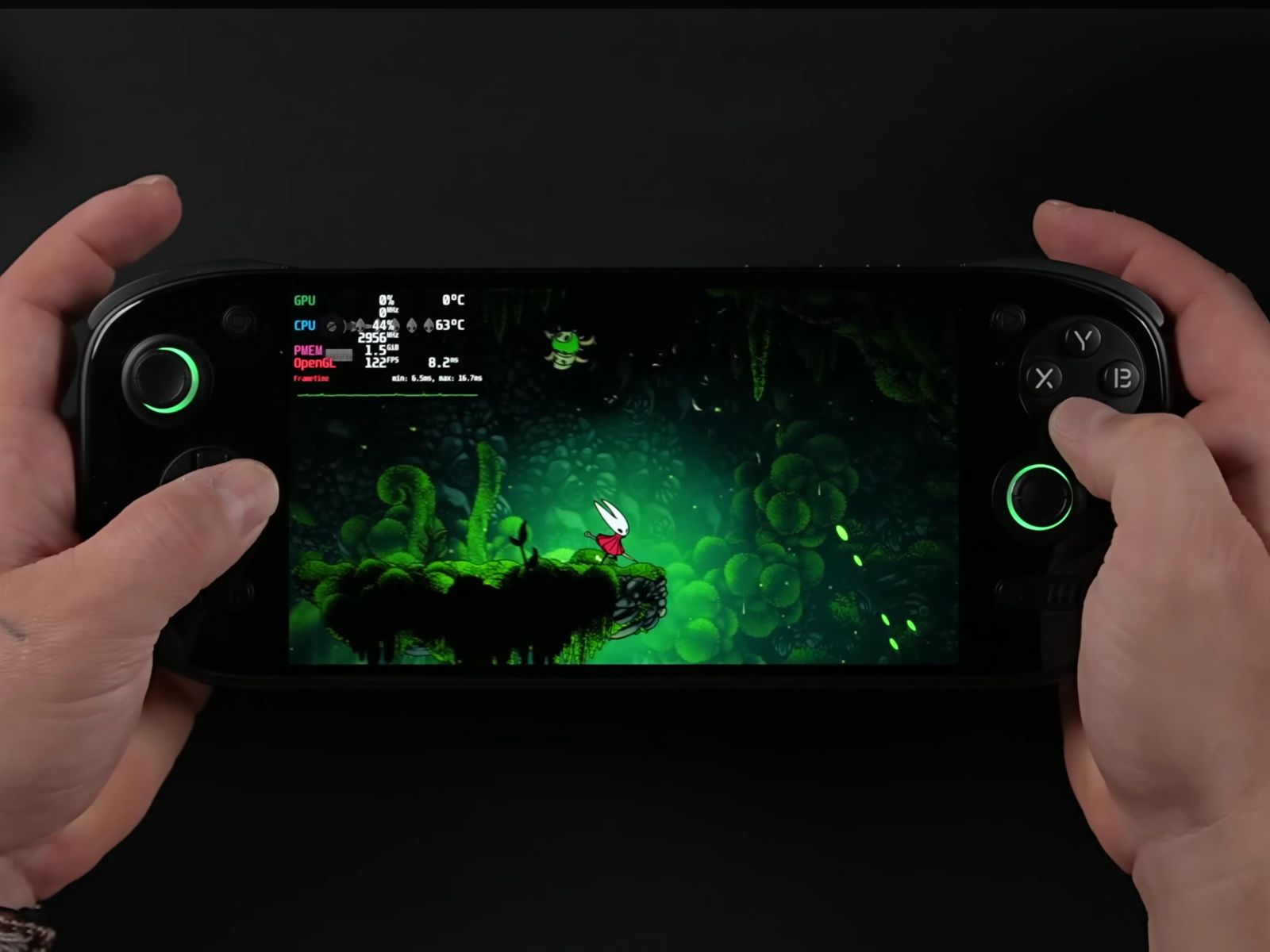
Valve’s ongoing efforts to expand gaming compatibility on ARM-based devices have taken a significant step forward with the release of Proton 11 ARM beta, which now enables Hollow Knight: Silksong to run at over 100 frames per second on the Ayn Odin 2 handheld. This development marks a notable milestone in the push to bring high-performance PC gaming to portable ARM hardware, leveraging Valve’s translation layer to bridge the gap between x86 game binaries and ARM architecture.
Proton, Valve’s customized version of Wine, has long been instrumental in allowing Linux users to run Windows games through Steam. The introduction of an ARM-specific beta version extends this capability to devices powered by ARM processors, such as the Ayn Odin 2, which runs on a Qualcomm Snapdragon 8 Gen 2 chipset. Early testing indicates that Hollow Knight: Silksong, the highly anticipated sequel to Team Cherry’s acclaimed 2017 title, achieves smooth performance well above 100 FPS at 720p resolution under these conditions, suggesting strong optimization potential for 2D indie titles on ARM via Proton.
The Ayn Odin 2, released in late 2023, has gained attention among emulation and handheld gaming communities for its balance of power, and portability. While primarily marketed for Android and emulation use, its ability to run Linux distributions has opened doors for experimental PC gaming use cases. With Proton 11 ARM beta now functional on the device, users can install Steam for Linux and attempt to run compatible Windows titles through the translation layer, though official support remains limited.
Hollow Knight: Silksong, first announced in 2019, has been one of the most eagerly awaited indie games in recent years. Although Team Cherry has not yet announced a firm release date, the game has been playable in demo form at events like PAX East 2023, where it received praise for its expanded moveset, vertical level design, and enhanced combat mechanics. The fact that it runs smoothly on ARM hardware via Proton, even in beta form, underscores the growing viability of ARM for gaming beyond traditional mobile titles.
Valve has not issued an official statement detailing the specific improvements in Proton 11 ARM beta, but the update is believed to include enhanced DirectX 12 translation, improved Vulkan support, and better handling of ARM-specific instruction sets. These advancements reduce the performance overhead typically associated with emulation layers, allowing games that rely heavily on CPU performance — like many 2D platformers — to achieve playable frame rates even when translated in real time.
Independent testing by tech outlets such as Notebookcheck has confirmed that the Ayn Odin 2, when running a Linux-based OS with Proton 11 ARM enabled, can maintain consistent frame rates in Hollow Knight: Silksong above the 100 FPS threshold during gameplay sequences. This performance level exceeds what is typically expected from emulation solutions and suggests that the translation layer is efficiently utilizing the device’s eight-core CPU and Adreno 740 GPU.
while these results are promising, they represent early beta performance and may not reflect the final user experience across all titles or system configurations. Factors such as storage speed, RAM allocation, and Linux distribution choice can significantly impact outcomes. Not all Steam games are guaranteed to work, as Proton’s compatibility depends on various anti-cheat systems, DRM, and middleware that may not function correctly under translation.
Despite these caveats, the success of titles like Hollow Knight: Silksong on ARM via Proton signals a broader shift in how gaming hardware is evolving. As more manufacturers explore ARM-based designs for laptops and handhelds — spurred by improvements in power efficiency and integrated graphics — compatibility layers like Proton could play a crucial role in expanding the library of playable games without requiring native ports.
The implications extend beyond handhelds. Devices such as ARM-powered Windows laptops and upcoming versions of Apple’s Silicon Macs (though limited by Apple’s restrictions on virtualization) could benefit from similar advancements in cross-architecture gaming support. For now, however, the Linux and Android handheld space remains the most active frontier for such experimentation.
Looking ahead, the Proton team continues to refine ARM support through community feedback and testing. Users interested in trying Proton 11 ARM beta can access it via the Steam Linux client’s beta participation settings, though they are advised to use a compatible device and back up their data before making system modifications. Valve has not announced a timeline for when the ARM beta might graduate to a stable release, but ongoing improvements suggest steady progress.
As the gaming industry watches the convergence of ARM efficiency and PC game library accessibility, projects like Proton 11 ARM beta represent a quiet but potentially transformative development. Whether this leads to wider adoption of ARM in gaming handhelds or influences future hardware strategies remains to be seen, but for fans of Hollow Knight: Silksong eager to play the game on the go, the prospect of smooth, high-frame-rate performance on a pocket-sized device is now closer than ever.
For updates on Proton development and compatibility reports, users can follow the official Proton GitHub repository and Steam Hardware Survey insights. The next major checkpoint will be the next public update to the Proton GE (Glorious Eggroll) custom builds, which often incorporate bleeding-edge features ahead of official releases.
What are your thoughts on playing PC games on ARM handhelds? Have you tried Proton on a device like the Ayn Odin 2? Share your experiences in the comments below and help others navigate the evolving world of cross-platform gaming.