
Legal Battle Resurfaces Over monet Painting with Alleged Nazi Past
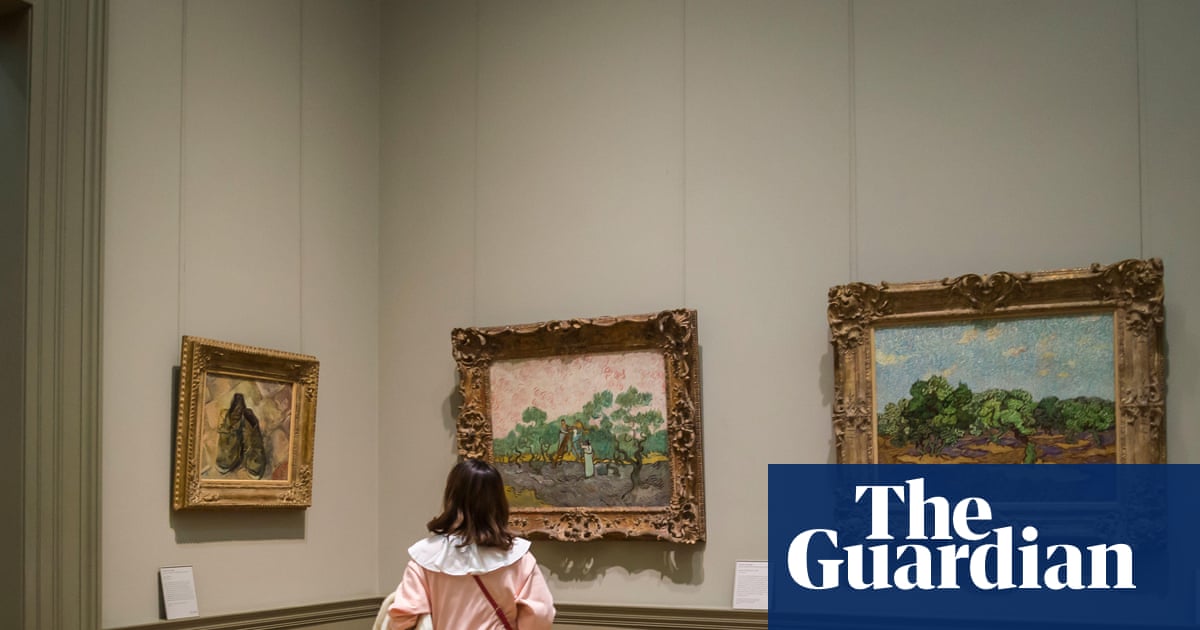
A decades-long dispute over the ownership of Claude Monet‘s “Olive Picking” has reignited with a new lawsuit filed in New York. the case centers on allegations that the painting was looted from a Jewish family, the sterns, during the Nazi era and subsequently concealed by current owners. This complex legal saga highlights the ongoing challenges of recovering art stolen during World War II and the responsibilities of museums and collectors in verifying provenance.
The Core of the Dispute
The lawsuit accuses the Basil & Elise Goulandris Foundation (BEG) and its representatives of deliberately obscuring the painting’s history. Specifically, the plaintiffs – heirs of the Stern family – claim the defendants have concealed:
* How the BEG initially acquired the painting.
* The Stern family’s ownership from 1935 to 1938.
* Evidence of Nazi looting and coercion of the Sterns into a forced sale.
* The confiscation of proceeds from that sale by the Nazi regime.
These allegations paint a picture of a concerted effort to benefit from artwork obtained under duress during a dark period in history.
A History of Legal Challenges
This isn’t the first attempt to reclaim the painting.Previously, the Stern heirs filed a similar complaint in California in 2022. However, that case was dismissed in 2024, and a subsequent appeal was also unsuccessful in May. Despite these setbacks, the family remains determined to seek justice and recover what they believe is rightfully theirs.
The Metropolitan Museum of Art’s Role
The Metropolitan Museum of Art is also implicated in the lawsuit.The complaint alleges that the museum’s purchase of the painting was approved by Theodore Rousseau Jr., a renowned expert in Nazi-era art looting.
It’s further claimed that Rousseau and the Met were aware, or should have been aware, of the painting’s possibly illicit origins. This raises questions about the due diligence processes employed by major institutions when acquiring artwork with questionable provenance.
The Met’s Response
In a statement, the Met affirmed its commitment to addressing Nazi-era claims. They maintain that no record linking the painting to the Stern family existed during their ownership. This information, according to the museum, only surfaced decades after the painting left their collection.
The Met also emphasized that the decision to deaccession – or sell – the painting was based on its assessment of the artwork’s quality relative to other pieces in their collection. They stand by their legal and ethical handling of the sale, but expressed willingness to review any new information that emerges.
The Goulandris Foundation’s Defense
Representing the BEG, attorney William Charron expressed confidence in their position. He characterized the lawsuit as a ”smear campaign” based on “misleadingly incomplete allegations.” He pointed to the previous dismissals of similar claims as evidence of the case’s weakness and anticipates a similar outcome this time.
Why This Matters to You
This case isn’t just about a single painting. It’s about accountability, historical justice, and the ethical obligations of museums and collectors.If you’re an art enthusiast, a collector, or simply someone interested in history, understanding these issues is crucial.
The ongoing struggle to recover looted art serves as a reminder of the devastating impact of war and the importance of preserving cultural heritage. It also underscores the need for transparency and rigorous research when dealing with artwork of uncertain provenance.
Looking Ahead
The outcome of this lawsuit could have meaningful implications for future claims involving Nazi-looted art. It will likely influence how museums and collectors approach provenance research and due diligence. Ultimately, this case represents a continuing effort to right the wrongs of the past and ensure that stolen art is returned to its rightful owners.


