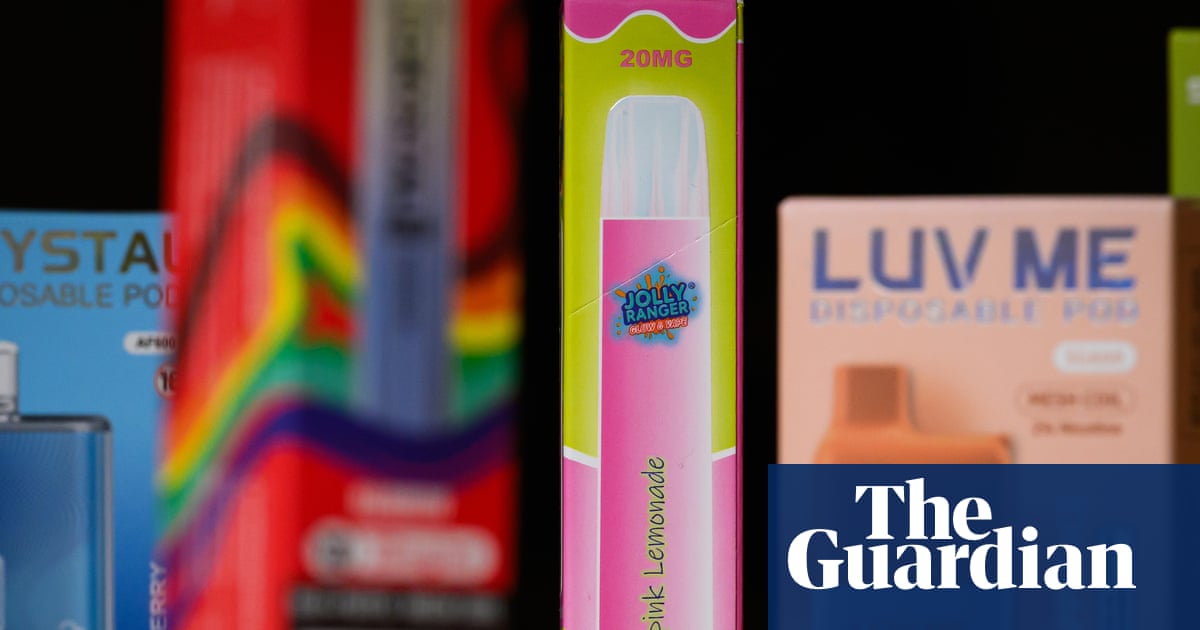
The UK government has announced plans to introduce stringent restrictions on e-cigarette packaging and flavorings, aiming to curb their appeal to minors. The proposals, outlined by the Department of Health and Social Care, include measures such as plain packaging, limited device color options, and restrictions on in-store visibility. These steps follow concerns over rising teenage vaping rates, with official data indicating that 20% of adolescents have experimented with e-cigarettes, according to a 2023 government report.
The initiative aligns e-cigarette regulations more closely with those for traditional tobacco products, a move intended to reduce youth initiation and prevent long-term health risks. Under the proposed rules, vape devices would be required to adopt plain, unbranded packaging in white, black, or grey, mirroring the standardized design of cigarette packs. Additionally, vapes would be prohibited from being displayed in plain sight in retail outlets, a measure designed to minimize their visibility to young consumers.
Public health officials have emphasized the urgency of addressing the surge in adolescent vaping, which has been linked to increased nicotine addiction and potential long-term respiratory effects.
Plain Packaging and Color Restrictions
The proposed plain packaging requirement represents a significant shift in e-cigarette regulation, drawing parallels to the tobacco industry’s standardized labeling. This approach aims to eliminate the branding and colorful designs that many manufacturers use to attract younger demographics. According to the Department of Health and Social Care, the move is intended to “dismantle the marketing strategies that have made vaping particularly appealing to children.”
Under the plan, vape devices would be restricted to neutral color schemes, with manufacturers prohibited from using bright hues or logos that could be perceived as trendy or youth-oriented.
Flavoring Regulations and Retail Controls
In addition to packaging reforms, the proposals include limitations on the availability of flavored vape products. While the exact scope of these restrictions remains under review, officials have indicated that flavors such as fruit, candy, and dessert-inspired options—commonly marketed to younger users—may face stricter controls. The government has also proposed requiring vape retailers to store products behind counters or in locked cabinets, ensuring they are not immediately accessible to minors.
These measures follow a 2023 survey by the Office for National Statistics, which revealed that a significant proportion of 15- to 16-year-olds in the UK had used vapes within the past month. The data underscored the challenge of regulating a market that has seen rapid growth, with over a large number of young people in the UK reported as regular vapers in 2022, according to Public Health England.
Public Health Impact and Industry Response
The proposed regulations have sparked mixed reactions from stakeholders. Public health advocates have largely welcomed the measures, citing their potential to reduce youth vaping rates. By limiting the accessibility and appeal of vapes, the government is taking a proactive approach to safeguarding public health.”
However, some industry representatives have raised concerns about the potential impact on adult smokers who use vaping as a cessation tool. The UK Vaping Industry Association (UKVIA) argued that the restrictions could inadvertently discourage smokers from switching to less harmful alternatives. “While protecting children is paramount, we must ensure that these measures do not undermine the role of vaping as a harm-reduction strategy for adults,” said UKVIA CEO Mark Reynolds.
International Context and Precedent
The UK’s approach to vape regulation mirrors efforts in other jurisdictions. In 2021, Australia implemented a ban on flavored vape products, while the United States has seen state-level restrictions on flavored e-cigarettes. The European Union has also introduced regulations requiring standardized packaging for all tobacco and nicotine products, a framework that the UK is now expanding to include vaping devices.
Health officials have pointed to the success of similar measures in reducing youth smoking rates.
Implementation Timeline and Next Steps
The Department of Health and Social Care has not yet announced a specific timeline for implementing the proposed changes. However, officials have indicated that the measures will be subject to public consultation before finalization. A government spokesperson noted, “We are committed to ensuring that these regulations are both effective and proportionate, and we will engage with stakeholders to refine the proposals.”
Meanwhile, the National Health Service (NHS) has launched a public awareness campaign to educate parents and educators about the risks of vaping.
What’s Next for Vape Regulation?
As the UK moves forward with its regulatory proposals, the focus will shift to enforcement and compliance. The government has indicated that it will work closely with retailers to ensure adherence to the new rules, with potential penalties for non-compliance. Additionally, ongoing monitoring of vaping trends will be critical to assess the effectiveness of the measures over time.
For now, the proposed restrictions mark a significant step in the UK’s efforts to address the growing public health challenge of youth vaping. With the next phase of consultations expected to begin in early 2024, the coming months will be pivotal in shaping the future of e-cigarette regulation in the country.
Readers are encouraged to stay informed about updates through the Department of Health and Social Care’s official website or the NHS’s public health resources. Engage with the conversation by sharing your perspectives on social media using the hashtag #VapeRegulationUK.