“Modi Hai Toh Mumkin Hai”: Bollywood’s New Song Faces Intense Backlash – A Deep Dive
A new music video, “Modi Hai Toh Mumkin Hai,” released by T-Series and featuring prominent Bollywood actors, has ignited a firestorm of controversy online. The song, intended to showcase the achievements of Prime Minister Narendra Modi, has instead become a focal point for criticism and widespread trolling.This article examines the song, the public reaction, and the broader context of Bollywood’s relationship with political endorsements.
The Song and Its Intended Message
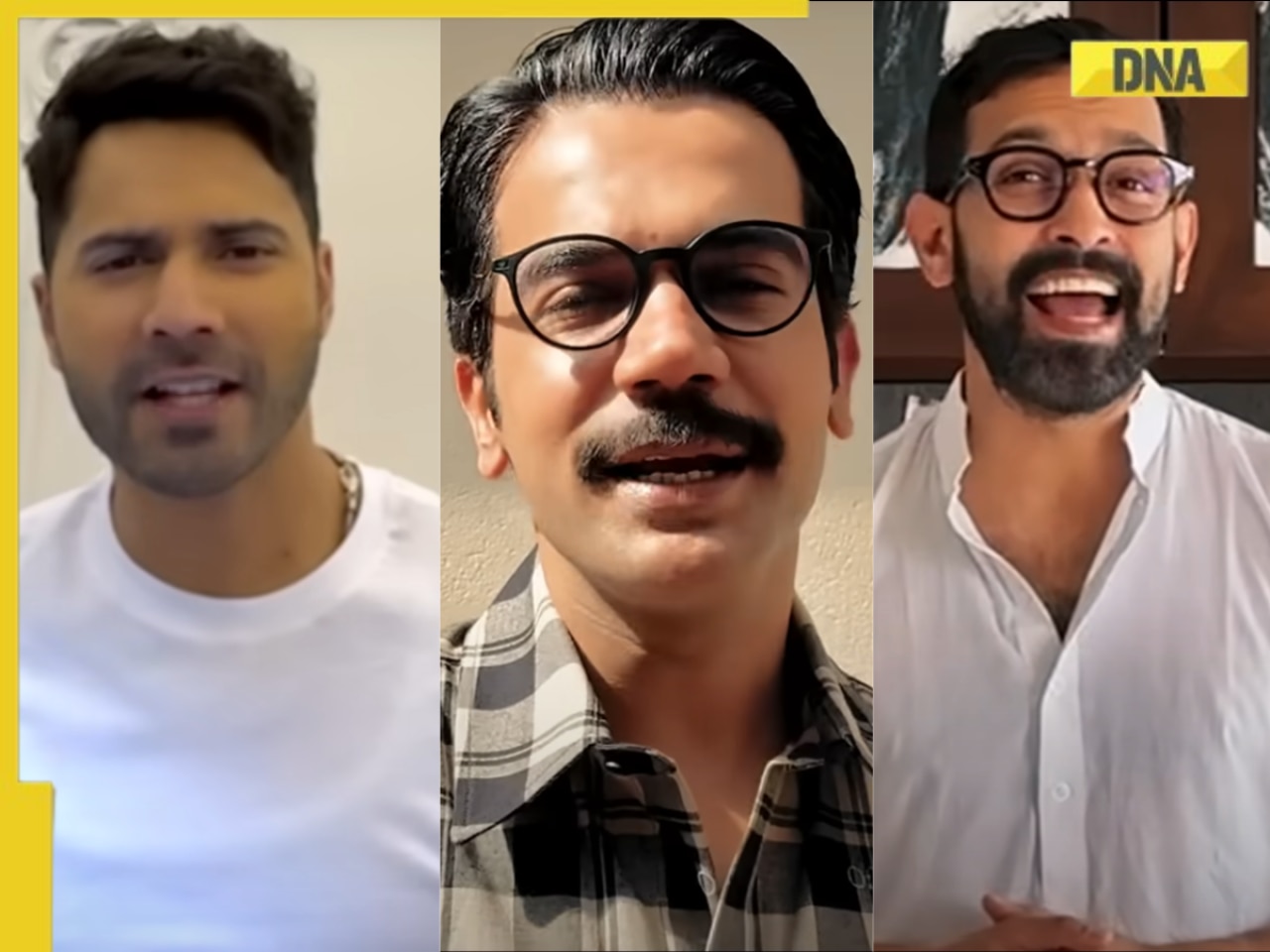
The nearly three-minute track features Varun Dhawan, Rajkummar Rao, Arshad Warsi, and Vikrant massey, alongside vocals from Meet Bros, Adarsh Shukla, and Divya Bhatt.Composed by Meet Bros with lyrics by Nadaan, “Modi Hai Toh Mumkin Hai” explicitly praises Prime Minister Modi’s vision and work.
Many believe the timing of the release, ahead of the Bihar elections, suggests a intentional attempt to leverage Bollywood’s influence for political gain. However, the strategy appears to have dramatically backfired.
Netizen Reaction: A Wave of Criticism
The internet’s response has been overwhelmingly negative. Social media platforms are flooded with comments expressing anger and disappointment, directed both at the actors involved and at Prime Minister Modi himself.
Here’s a snapshot of the sentiment:
* Accusations of Selling Out: Many users accuse the actors of prioritizing financial gain over artistic integrity, with harsh comments questioning their principles.
* Perception of Propaganda: A significant portion of the backlash centers on the perception that the song is blatant political propaganda.
* Calls for Boycotts: several users have vowed to boycott the actors’ future projects, demonstrating the depth of their dissatisfaction.
* Criticism of Modi: Others directly criticize Prime Minister Modi, labeling him as “self-obsessed” and questioning the need for such a promotional song.
One user succinctly captured the prevailing mood: “I was here to see the comment section and I’m so happy seeing its state, people are finally waking up to the reality.” Another starkly stated, “ACTOR paiso k lie apni maaa ko bech sakta hai” (An actor can sell his mother for money).
Bollywood and Political Endorsements: A History
This incident isn’t isolated. Over the years,there’s been a growing narrative surrounding Bollywood’s perceived alignment with the current governance. Critics argue that the industry has increasingly become a platform for promoting the government’s agenda.
This trend raises important questions about:
* Artistic Freedom: Does accepting such endorsements compromise the artistic freedom of actors and filmmakers?
* Public Trust: How does this perceived alignment affect public trust in the entertainment industry?
* Ethical Considerations: What are the ethical responsibilities of celebrities when engaging in political endorsements?
The relationship between Bollywood and politics is complex, often driven by a combination of factors including personal beliefs, professional opportunities, and potential political benefits. Though, the reaction to “Modi Hai Toh Mumkin Hai” demonstrates the risks associated with perceived political bias.
What’s Next for the Actors?
The fallout from the song is likely to have repercussions for the involved actors. Varun Dhawan is slated to appear in Border 2, while Arshad Warsi recently starred in Jolly LLB 3. Rajkummar Rao’s latest project was Maalik, and Vikrant Massey is preparing for a biopic on Ravi Shankar.
Whether this controversy will impact their future projects remains to be seen. However, the intense public scrutiny serves as a cautionary tale about the potential consequences of aligning with politically charged endeavors.
Watch the song: https://www.youtube.com/watch?v=YOUR_YOUTUBE_LINK_HERE (Replace with actual link)
Evergreen Insights: The Power of Public Perception
The ”Modi Hai Toh mumkin Hai” controversy highlights a crucial aspect of modern public life: the power of perception. In the age of social media, public opinion can shift rapidly and dramatically. Celebrities, as public figures, are particularly vulnerable to scrutiny and criticism.
This situation underscores the importance of authenticity and clarity. When endorsements feel contrived or driven solely by financial incentives,
Related reading