
The legislative body of the Swiss canton of Vaud is moving to close a significant legal loophole that currently prevents the parliament from removing members of the executive branch, even in cases of total political collapse. In a rare show of unity, a key parliamentary commission has called for the creation of formal tools for the removal of Vaud State Councillors, citing a critical need for democratic accountability.
This push for the removal of Vaud State Councillors comes as the canton grapples with a high-profile political crisis involving State Councillor Valérie Dittli. While the Grand Council—the canton’s legislative arm—has expressed a lack of confidence in the executive member, it has discovered that it possesses no legal mechanism to force a resignation or dismiss a sitting member of the Conseil d’État (State Council).
Under the current constitutional framework of Vaud, State Councillors are directly elected by the people. This direct mandate provides them with a level of security that effectively shields them from parliamentary dismissal. While the Grand Council can pass resolutions calling for a resignation, these motions are non-binding and serve as political signals rather than legal mandates.
The current impasse has highlighted what lawmakers describe as a “legal vacuum,” where an executive official can remain in office despite losing the support of the legislative majority and facing intense public pressure. The proposal to introduce “destitution” (impeachment or removal) tools is intended to ensure that the executive remains accountable to the legislative body between election cycles.
The Institutions Commission’s Unanimous Call for Reform
The Commission des institutions (Institutions Commission) of the Grand Council has unanimously recommended the development of legal instruments to allow for the removal of a State Councillor. This unanimity is notable in the often-divided landscape of cantonal politics, signaling a broad consensus that the existing lack of oversight is untenable.

The commission’s proposal argues that the inability to remove a member who has lost political legitimacy undermines the stability of the government and the trust of the electorate. By establishing a formal process for removal, the Grand Council aims to create a check on executive power that mirrors the accountability structures found in many other democratic systems.
Implementing such a change would likely require an amendment to the Constitution of the Canton of Vaud. Because the Swiss system places a high premium on direct democracy, any significant change to the constitutional rules regarding the election and removal of executives would typically be subject to a public referendum, allowing the voters of Vaud to decide if they wish to surrender some of the direct protection currently afforded to their elected State Councillors.
The Catalyst: The Valérie Dittli Controversy
The drive for these legal reforms is directly tied to the ongoing pressure facing State Councillor Valérie Dittli. The Grand Council recently passed a resolution formally calling for her resignation, a move supported by a wide coalition of left-wing parties and the Green Liberals. This motion was a response to incriminating reports and a perceived breach of trust that has made her position increasingly precarious.

Despite the parliamentary resolution, Dittli has previously indicated that she does not intend to step down. This defiance has underscored the impotence of the Grand Council; while they can voice their disapproval through official votes, they cannot act upon that disapproval to change the composition of the executive.
The “Dittli affair” has transformed from a personnel issue into a systemic debate. Lawmakers are now arguing that the crisis is not merely about one individual, but about a structural flaw in the Vaudese system of government that allows a member of the executive to ignore the will of the legislature without legal consequence.
Understanding the Power Struggle: Grand Council vs. State Council
To understand why the removal of Vaud State Councillors is such a complex legal hurdle, one must look at the separation of powers in the canton. The Vaud government is split between the Grand Council (the legislature) and the Conseil d’État (the executive).
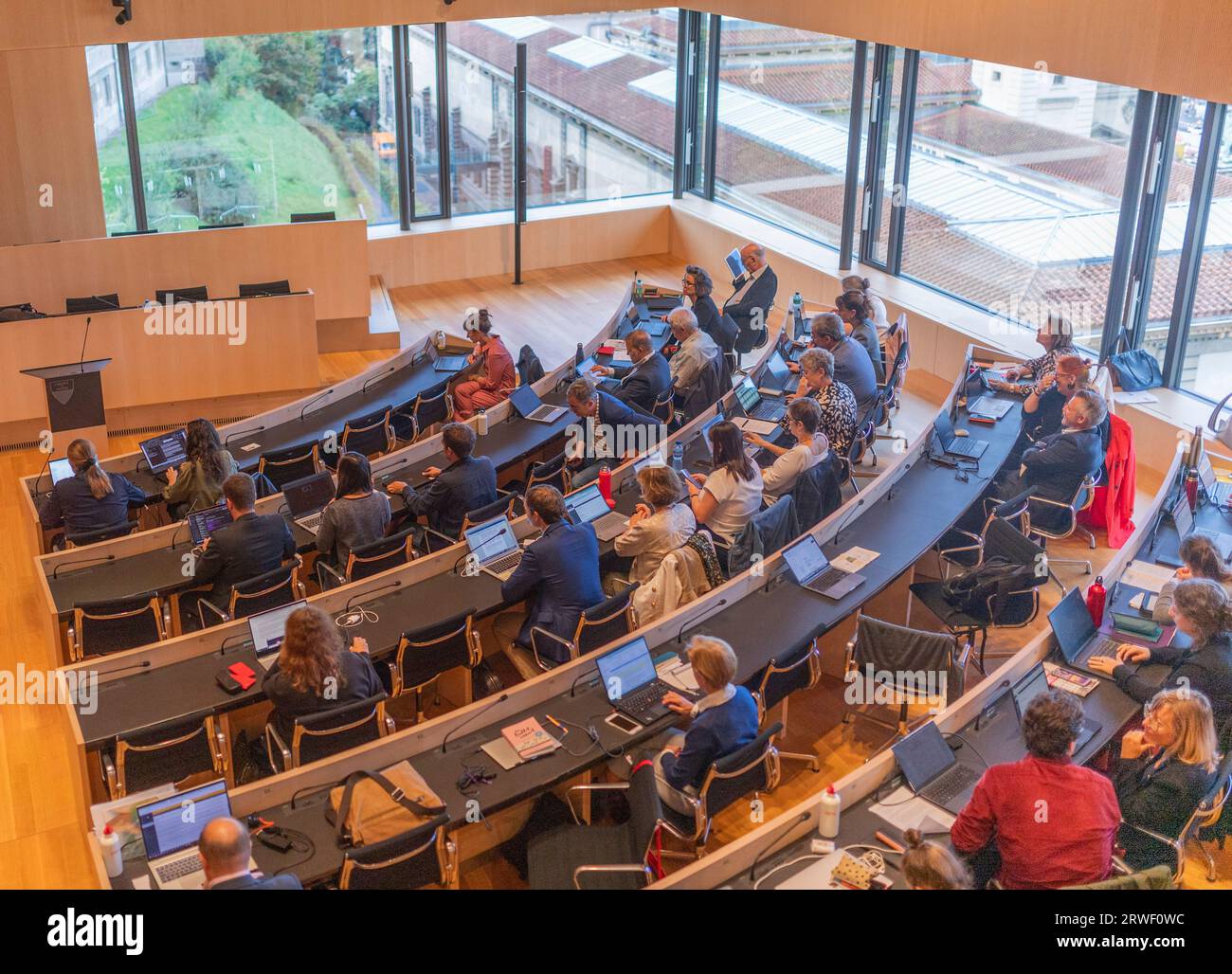
In many parliamentary systems, the executive is dependent on the confidence of the legislature. If a “vote of no confidence” passes, the government or a specific minister must resign. However, Vaud utilizes a system where the executive is elected independently of the legislature. This creates a “dual legitimacy” where both bodies can claim to represent the will of the people, but the legislature has no direct authority over the tenure of the executive.
The proposed reforms would essentially introduce a hybrid element of parliamentary accountability into this system. The debate now centers on what the threshold for removal should be. Potential triggers for “destitution” could include:
- Serious legal infractions or criminal convictions.
- A documented failure to perform official duties.
- A supermajority vote of the Grand Council indicating a total loss of political confidence.
Impact on Cantonal Governance and Democratic Norms
The push for impeachment tools is sending ripples through the Swiss political landscape. Critics of the proposal argue that introducing removal tools could lead to “political instability,” where the executive is constantly threatened by the shifting whims of parliamentary majorities. They contend that the direct election of State Councillors was designed specifically to prevent the executive from becoming a puppet of the legislature.
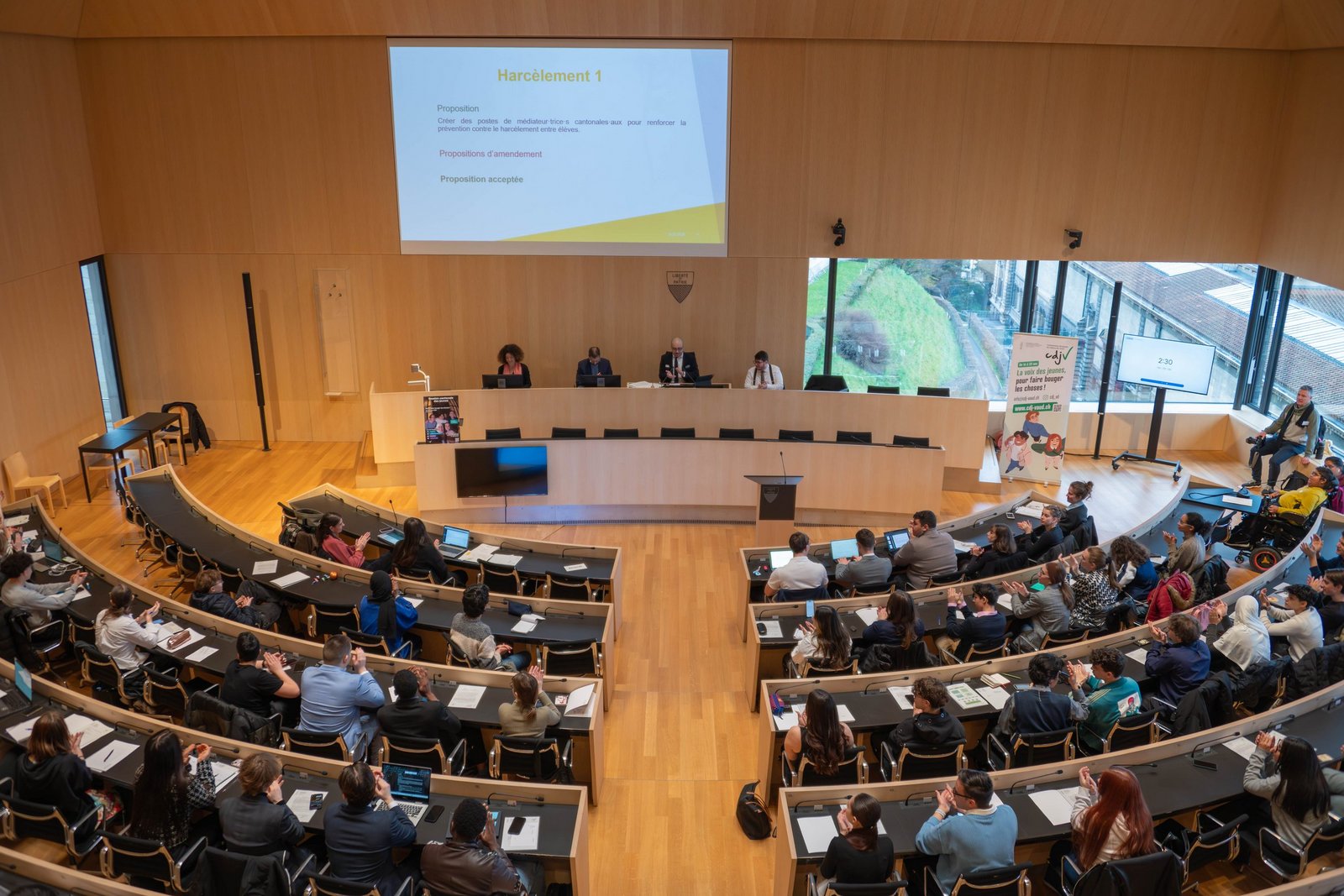
Conversely, proponents argue that the current system encourages arrogance and unaccountability. They suggest that the risk of removal would force State Councillors to be more transparent and responsive to the legislative body, ultimately strengthening the democratic process.
This conflict reflects a broader tension in Swiss governance: the balance between the stability of directly elected officials and the necessity of legislative oversight. If Vaud successfully implements these tools, it could set a precedent for other cantons facing similar challenges with executive accountability.
Key Takeaways: The Path to Reform
- The Legal Gap: Currently, the Vaud Grand Council can request a State Councillor’s resignation, but it cannot legally compel it.
- Unanimous Proposal: The Institutions Commission has unanimously called for the creation of legal tools to remove (destitute) executive members.
- The Trigger: The controversy surrounding Valérie Dittli served as the catalyst for this systemic review.
- Constitutional Hurdle: Any formal mechanism for removal would likely require a constitutional amendment and a subsequent public vote.
- Democratic Debate: The issue pits the value of direct electoral mandates against the need for legislative checks and balances.
The next confirmed checkpoint in this process will be the formal deliberation of the Institutions Commission’s proposal within the full Grand Council, where lawmakers will determine if the recommendation will move forward as a formal legislative project. This will lead to a period of drafting and potential public consultation before any vote on a constitutional change.
World Today Journal continues to monitor the developments in Vaud. We invite our readers to share their perspectives on the balance of power in democratic systems in the comments below.
- VOTATU Tactical Optics, Laser Sights & Weapon Accessories
- Flock AI Surveillance Cameras: Privacy Concerns, Safety Risks, and Growing Public Backlash
- Maryland Man Pleads Guilty in Deadly Multi-State Crime Spree (news-usa.today)
- Sir Garfield Sobers Honored at State Funeral in Bridgetown (archyworldys.com)