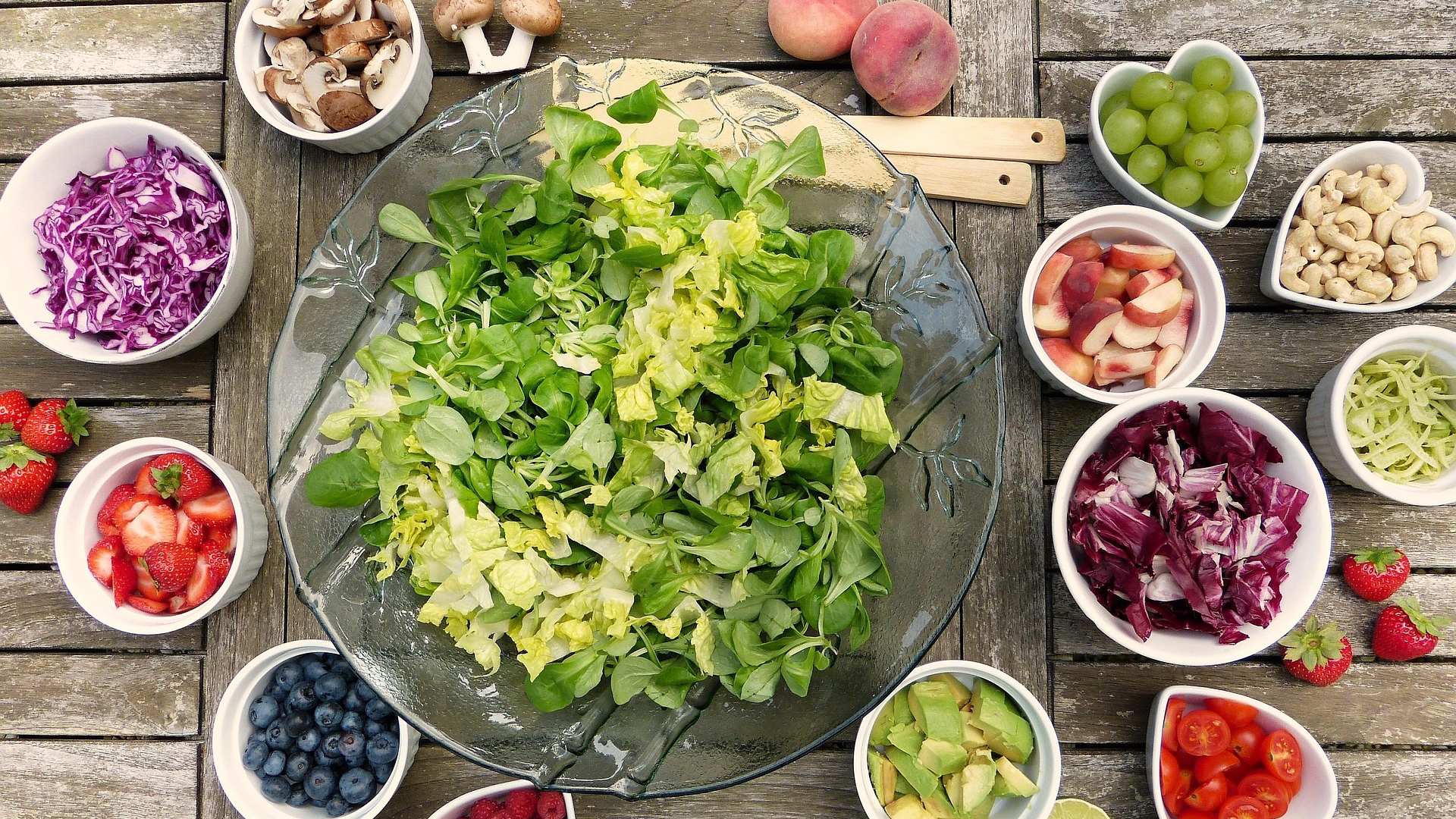
The conversation around sustainable eating is gaining momentum globally, and increasingly, individuals are exploring the benefits of plant-based diets. From environmental concerns to personal health goals, the shift towards incorporating more plant-based meals is driven by a growing awareness of the impact our food choices have on the planet and our well-being. A recent initiative at Avans University of Applied Sciences in the Netherlands, participating in the “Veggie Challenge” spearheaded by the organization ProVeg, highlights this trend. This challenge isn’t about strict adherence to vegetarianism or veganism, but rather a nudge towards more conscious and frequent inclusion of plant-based options in everyday diets. Understanding how to navigate a healthy plant-based approach is key, and experts are offering guidance on making this transition successfully.
The Veggie Challenge, launched by ProVeg, aims to inspire rather than dictate dietary changes. Tessa Stevens of ProVeg emphasizes that the goal isn’t to convert the world to vegetarianism overnight, but to encourage a gradual increase in plant-based eating. This approach acknowledges that dietary changes are personal and often require a supportive environment and accessible information. The initiative at Avans, involving both students and staff, demonstrates a commitment to sustainability and a willingness to explore alternative eating habits. This comes at a time when the environmental impact of food production is under increasing scrutiny, and consumers are seeking ways to reduce their ecological footprint.
The environmental rationale for reducing meat consumption is substantial. According to Stanford University’s Woods Institute for the Environment, meat production contributes significantly to greenhouse gas emissions, deforestation, and pollution. The environmental impact of meat production is multifaceted and far-reaching. Similarly, dairy production also carries a considerable environmental burden, as highlighted by ProVeg. ProVeg’s research details the environmental consequences of dairy farming. Beyond environmental concerns, health organizations like the Netherlands Nutrition Centre (Voedingscentrum) recommend limiting meat intake to less than 500 grams per week, citing links between processed and red meat consumption and increased risks of cancer and cardiovascular diseases. The Voedingscentrum provides detailed guidelines on healthy meat consumption.
Navigating a Healthy Plant-Based Diet
Adopting a plant-based diet doesn’t have to be complicated. The Dutch Nutrition Centre’s “Schijf van Vijf” (Wheel of Five) provides a visual guide to balanced nutrition, emphasizing the importance of fruits, vegetables, whole grains, healthy fats, and water. The Schijf van Vijf offers a practical framework for building healthy meals. While meat and dairy are included in the model, it underscores that they aren’t essential components of a healthy diet. However, it’s crucial to be mindful of nutrient intake when reducing or eliminating animal products.
Animal products are sources of vital nutrients like vitamin B12, which is exclusively found in animal sources. Individuals following a plant-based diet must ensure adequate B12 intake, either through dairy consumption or supplementation. The Voedingscentrum recommends B12 supplements for those avoiding both meat and dairy. The Voedingscentrum provides comprehensive information on vegetarian and vegan nutrition. Other essential nutrients found in meat, such as protein, iron, and vitamin B1, can be obtained from plant-based sources like nuts, seeds, legumes, soy products, and whole grains. Stevens emphasizes that a varied diet is key to ensuring adequate nutrient intake.
The Role of Meat Alternatives
Meat alternatives can be a convenient option for those transitioning to a plant-based diet, but it’s important to choose wisely. Many commercially available meat substitutes are highly processed and may not be as healthy as whole food alternatives. Processed foods, in general, are often linked to health problems, similar to the concerns surrounding red meat. The healthiest meat alternatives include tofu, tempeh, and seitan, which are minimally processed and rich in protein and iron. These options may require more culinary creativity than pre-made burgers or sausages, but offer a more nutritious profile.
Recent research from ProVeg indicates that the nutritional quality of meat alternatives is improving. ProVeg’s report analyzes the nutritional content of various meat alternatives. The study found that 26% of meat alternatives now meet the nutritional criteria set by the Dutch Nutrition Centre (regarding fat, salt, sugar, protein, B12, iron, and fiber content), compared to only 11% of actual meat products. This suggests that the market is responding to consumer demand for healthier and more sustainable options.
Practical Tips for Embracing Plant-Based Eating
Making the switch to a more plant-based diet doesn’t require drastic changes. Stevens suggests starting small, such as swapping cow’s milk for soy milk at breakfast. Small, incremental changes are more sustainable in the long run. For students on a budget, resources like BonusVegan.nl can help identify affordable vegetarian and vegan products on sale at supermarkets. BonusVegan.nl provides weekly updates on discounted plant-based products.
Beyond affordability, accessibility is also crucial. Increasingly, supermarkets are expanding their plant-based offerings, making it easier than ever to find alternatives to meat and dairy. Restaurants are also responding to the growing demand, with more and more establishments offering vegetarian and vegan options on their menus. This increased availability makes it easier for individuals to incorporate plant-based meals into their routines, even when eating out.
The Veggie Challenge at Avans University is a microcosm of a larger global trend. As awareness of the environmental and health benefits of plant-based eating grows, more individuals and institutions are embracing this approach. The key to success lies in making informed choices, prioritizing whole foods, and adopting a flexible and sustainable mindset. The challenge isn’t about perfection, but about progress – every plant-based meal contributes to a healthier planet and a healthier you.
Looking ahead, ProVeg continues to advocate for policies that support sustainable food systems and promote plant-based eating. Their ongoing research and advocacy efforts aim to create a more equitable and environmentally responsible food future. The organization is actively working with governments, businesses, and consumers to accelerate the transition towards a more plant-forward world. Further updates on ProVeg’s initiatives and research can be found on their official website.
What are your thoughts on incorporating more plant-based meals into your diet? Share your experiences and tips in the comments below, and don’t forget to share this article with your friends and family!
Worth a look
- Omega-3: Are Whole Foods Better Than Supplements? Benefits, Sources, and Deficiency Signs
- Korean Healthcare Civic Groups Strongly Criticize Government’s Medical Strategy as Inadequate to Prevent Collapse
- 3 Brilliant Quotes on the Challenge of Valuing Companies (newsdirectory3.com)
- Pan-Mass Challenge Aims for $79 Million to Support Cancer Research at Dana-Farber (news-usa.today)