Venezuela Releases Military Personnel Under Latest Amnesty Law
Caracas – In a move aimed at fostering national reconciliation, Venezuelan authorities have conditionally released 31 members of the military, according to a report from parliamentary sources. The releases reach as part of a broader amnesty initiative spearheaded by acting President Delcy Rodríguez, who assumed power following the removal of Nicolás Maduro in a U.S.-led operation on January 3, 2026. This development marks a significant, though cautiously received, step in the ongoing effort to stabilize the nation and address the legacy of political polarization.
The amnesty law, enacted on February 19, 2026, is intended to address cases of political imprisonment and facilitate a transition away from the authoritarian practices that characterized the Maduro era. However, critics argue that the law is insufficient and exclusionary, particularly concerning military personnel accused of serious offenses. The initiative is occurring against a backdrop of ongoing U.S. Scrutiny and pressure for substantial political and economic reforms in Venezuela. The United States removed Maduro in a pre-dawn raid on Caracas, a move that has fundamentally reshaped the political landscape of the country.
Delcy Rodríguez, a former Vice President under Maduro, now navigates a complex political terrain, balancing the expectations of Chavista loyalists with demands from Washington for demonstrable change. The situation is further complicated by the ongoing legal proceedings against Maduro and his wife, Cilia Flores, who are currently detained in New York awaiting trial on drug trafficking charges, allegations they deny. The releases of the 31 military personnel represent a delicate balancing act for Rodríguez, signaling a willingness to engage in dialogue while maintaining a degree of continuity with the past.
Amnesty Law and Concerns Over Scope
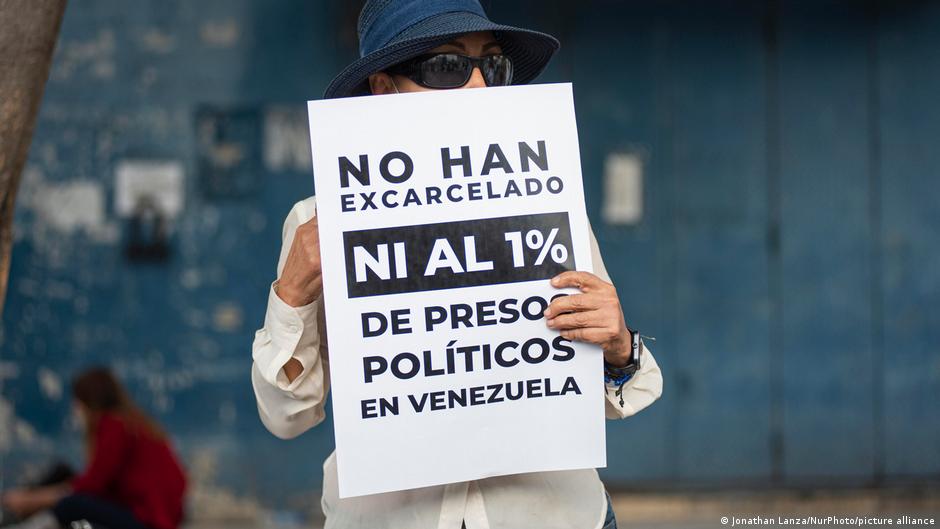
The amnesty law is not automatic; individuals seeking to benefit from it must petition the courts for a case-by-case review. This process is designed to ensure that those accused of serious crimes, such as human rights violations, are not simply released without accountability. However, concerns remain that the law’s scope is too limited and that it may not adequately address the plight of all political prisoners. According to estimates from Foro Penal, a non-governmental organization that advocates for the rights of political prisoners, approximately 570 individuals remained in detention as of February 25, 2026, including around 180 members of the military. NPR reports that Rodríguez has made economic and political concessions, suggesting a change in course for the country, but lasting reforms remain uncertain.
Jorge Arreaza, president of the parliamentary commission overseeing the implementation of the amnesty law, announced the conditional release of the 31 military personnel on X (formerly Twitter). He stated that the decision was made by the military justice system and that alternative measures had been granted to those being processed. Arreaza framed the move as contributing to “the noble objective of contributing to peace and national reconciliation.”
El Sistema de Justicia Militar de la FANB (Fuerza Armada), acordó otorgar medidas alternativas a 31 efectivos militares procesados, que ya se encuentran en libertad. Esta medida tiene el noble objetivo de contribuir a la paz y el reencuentro nacional.
— Jorge Arreaza (@jorarreaza) February 28, 2026
Prior to the release of the 31, Foro Penal had already reported the excarceration of eight political prisoners with military affiliations. This suggests a gradual, albeit cautious, expansion of the amnesty’s reach.
Delcy Rodríguez’s Tightrope Walk
Delcy Rodríguez’s position as acting president is precarious. She must appease both hardline Chavistas who remain loyal to Maduro and the international community, particularly the United States, which is demanding significant reforms in exchange for economic assistance and the lifting of sanctions. The BBC reports that President Donald Trump has implied Venezuela is now a U.S. Protectorate, placing Rodríguez in a position of serving at the will of the U.S. President.
The U.S. Intervention that led to Maduro’s removal has fundamentally altered the power dynamics in Venezuela. While Rodríguez has publicly called for the return of Maduro and Flores, there are no indications that this will happen. The former president and his wife are facing serious charges in the United States, and their fate remains uncertain. This situation creates a complex political landscape for Rodríguez, who must navigate the competing interests of various factions within Venezuela and the international community.
The granting of greater rights to foreign companies over Venezuela’s oil reserves, as well as the liberation of hundreds of political dissidents, are seen as concessions to Washington. However, these moves have also drawn criticism from within Venezuela, where some fear that they will lead to the exploitation of the country’s natural resources and the erosion of national sovereignty. The challenge for Rodríguez is to strike a balance between meeting the demands of the United States and protecting the interests of Venezuela.
The Broader Context of Political Prisoners in Venezuela
The issue of political prisoners has been a long-standing concern in Venezuela. Under Maduro’s rule, thousands of individuals were arrested and imprisoned on politically motivated charges, often related to dissent or opposition to the government. The release of the 31 military personnel and the broader amnesty initiative represent a significant step towards addressing this issue, but much work remains to be done.
Foro Penal estimates that nearly 570 people were still held for political reasons as of late February 2026. The organization continues to advocate for the release of all political prisoners and for an end to the practice of arbitrary detention. The Venezuelan government, under Rodríguez’s leadership, has pledged to address these concerns, but the implementation of the amnesty law and the broader reform agenda will be closely watched by both domestic and international observers.
The situation is further complicated by the fact that many of those imprisoned are accused of serious crimes, including involvement in violent protests and attempts to overthrow the government. The amnesty law does not cover all crimes, and those accused of the most serious offenses may not be eligible for release. This raises questions about the fairness and impartiality of the process and the extent to which it will truly address the root causes of political polarization in Venezuela.
Looking Ahead
The conditional release of the 31 military personnel is a tentative step towards reconciliation in Venezuela. The success of this initiative will depend on a number of factors, including the willingness of all parties to engage in good-faith dialogue, the implementation of meaningful political and economic reforms, and the continued support of the international community. The next key development to watch will be the progress of the case-by-case reviews of other political prisoners, and whether the amnesty law will be expanded to include those accused of more serious crimes. The Venezuelan political landscape remains volatile, and the path to stability is likely to be long and challenging.
As of March 1, 2026, the Venezuelan parliament is scheduled to convene on March 8th to discuss further amendments to the amnesty law, potentially broadening its scope to include individuals accused of crimes against humanity. This session will be closely monitored by international human rights organizations and observers.
What are your thoughts on the recent developments in Venezuela? Share your comments below and let us understand what you think. Don’t forget to share this article with your network to maintain the conversation going.
Keep reading