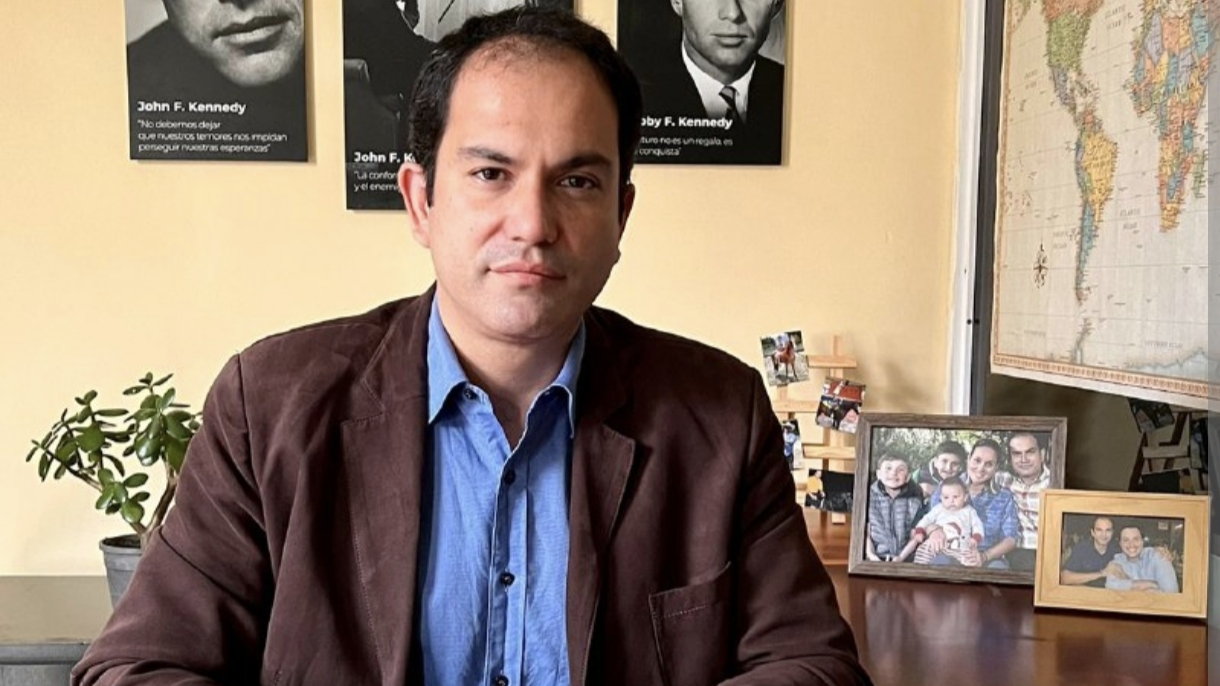
On April 16, 2026, Venezuelan opposition figure Alexis Paparoni reported being detained by security officials at Simón Bolívar International Airport in Maiquetía while attempting to board a flight to El Vigía in Mérida state. According to his own account shared via social media, Paparoni was approached by officials allegedly linked to the Directorate General of Military Counterintelligence (DGCIM), who prevented him from completing customs procedures and retained his travel documents.
The incident occurred during a period of heightened political tension in Venezuela, with opposition groups regularly denouncing what they describe as arbitrary detentions and restrictions on freedom of movement. Paparoni, a prominent leader of the Justice First party (Primero Justicia) and regional coordinator for Mérida, stated in a video recorded discreetly at the airport that he was stopped by two DGCIM officials who refused to let him proceed with check-in and awaited a supervisor’s decision on whether he would be allowed to travel.
His detention was quickly confirmed by his political party, which issued an urgent statement demanding his immediate release and condemning the action as politically motivated. Primero Justicia accused the administration of President Nicolás Maduro — specifically holding Vice President Delcy Rodríguez responsible — of orchestrating the arrest to suppress dissent and restrict the mobility of opposition leaders.
In the video shared by Paparoni, he said: “I am here in Maiquetía preparing to travel to the city of El Vigía (…) I have two DGCIM officials who are not letting me head through customs; and we are waiting for them to call a supervisor, to see if they let me enter or not.” He added that he managed to record the footage while heading to the airport restroom, a detail that later raised concern among his allies about his safety and access to legal counsel.
URGENTE | Alertamos que nuestro dirigente Alexis Paparoni fue detenido arbitrariamente en Maiquetía. Fue abordado por una comisión de la DGCIM y desconocemos el procedimiento que le pueda estar siendo aplicado. Hacemos responsable al régimen de Delcy Rodríguez de su… pic.twitter.com/m87dGsMGcO
— Primero Justicia (@Pr1meroJusticia) April 16, 2026
The party’s leadership, including its president María Beatriz Martínez, further alleged that Paparoni’s documents had been illegally retained and that he was held under DGCIM custody for several hours without official explanation. They emphasized that no legal justification for the detention had been provided by Venezuelan authorities, nor had any judicial order been presented to justify the restriction on his movement.
Other opposition figures echoed the call for Paparoni’s release. Former deputy and political leader Juan Pablo Guanipa condemned the incident as part of a broader pattern of political persecution, stating in a widely shared video: “This is a reminder to the United States, the international community, and the Venezuelan people: these are the same actors who persecute those who think differently.” He urged international observers to pay attention to what he described as systemic efforts to silence dissent through administrative and security measures.
Human rights organizations also weighed in on the incident. The Venezuelan Justice Encounter and Forgiveness group (Justicia Encuentro y Perdón) issued a public alert denouncing the lack of transparency surrounding Paparoni’s legal status and calling for immediate clarification from state authorities. The group stressed that, as of their statement, no official procedure had been disclosed to justify the detention, nor had the specific authority responsible for his custody been confirmed.
The DGCIM, Venezuela’s military counterintelligence agency, has frequently been cited by opposition groups and international monitors as a key instrument in the detention of activists, journalists, and political opponents. While the agency operates under the Ministry of People’s Power for Defense, its actions are often described by critics as extralegal, particularly when conducted outside formal judicial channels.
As of the latest available information, Venezuelan government officials have not issued a public statement regarding Paparoni’s detention or the legal basis for the actions taken by DGCIM personnel at the airport. No charges have been formally announced, and no judicial hearing has been scheduled or confirmed in relation to the incident.
The restriction on Paparoni’s travel comes amid ongoing concerns about the use of airport security checkpoints to impede the movement of opposition figures. Similar incidents have been reported in recent months, prompting watchdog groups to call for greater oversight of how migration and customs authorities interact with individuals suspected of political dissent.
For updates on Alexis Paparoni’s situation, including any potential legal proceedings or official statements from Venezuelan authorities, readers are advised to monitor credible international news outlets and statements from recognized human rights organizations operating in the region.
If you have information or insights about this case, we encourage you to share them responsibly. Help spread awareness by sharing this article with others who may be following developments in Venezuela.