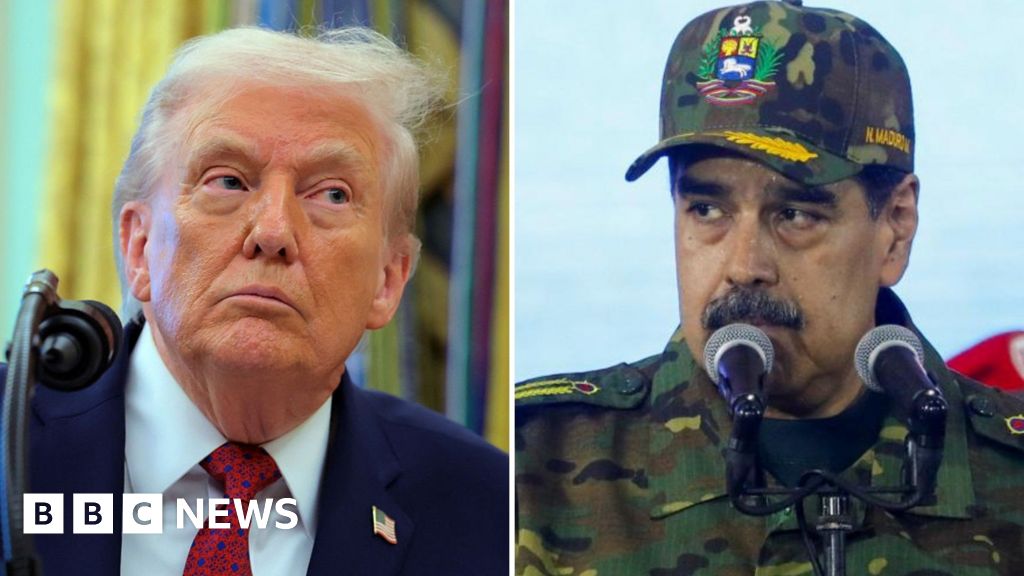
The Escalating US-Venezuela Maritime Confrontation: A Deep Dive
The United States has once again asserted its authority in international waters off Venezuela, seizing a vessel suspected of illicit activity. This action, confirmed by US officials to CBS News, marks the second such seizure this month and signals a significant escalation in the ongoing tensions between Washington and Caracas. Understanding the context, implications, and potential future of this maritime confrontation is crucial for anyone following geopolitical developments in the region.
A “blockade” and Rising Tensions
The recent seizure follows President Trump’s declaration of a “blockade” targeting oil tankers entering and leaving Venezuela. This declaration, made on December 17th, aims to further restrict Venezuela’s oil exports – a critical lifeline for the Maduro regime. Venezuela,possessing the world’s largest proven oil reserves,relies heavily on these revenues to fund government operations.
Though, the term “blockade” is legally complex and has drawn criticism, raising questions about its adherence to international maritime law. It’s significant to note that a formal blockade, under international law, requires specific declarations and adherence to certain protocols. The US administration has largely framed the actions as enforcement of existing sanctions.
The Seized Vessels: Skipper and the Latest interception
the first vessel seized earlier this month was identified as the Skipper. The White House stated it was involved in “illicit oil shipping” and has been transported to a US port.Venezuela’s President nicolás Maduro vehemently condemned the seizure, accusing the US of “kidnapping the crew” and “stealing” the ship.
Details surrounding the second seizure remain limited, but it was conducted by the US Coast Guard, utilizing a specialized tactical team, mirroring the operation involving the Skipper. The US has yet to publicly disclose specific details regarding the cargo or destination of the newly seized vessel.
US Justification: Combating “Drug Terrorism” and a Designated Terrorist Association
the trump administration’s actions are rooted in accusations that maduro’s government is involved in criminal activities, specifically through a group designated as a terrorist organization: the Cartel de los Soles. The US alleges this cartel, which Maduro denies leading, uses illicit oil sales to finance “Drug Terrorism, Human Trafficking, Murder, and Kidnapping.”
Furthermore, the US military has conducted strikes against alleged Venezuelan drug-smuggling boats in recent weeks, resulting in a reported 100 fatalities. these actions have sparked scrutiny from Congress, as the US has not provided public evidence supporting claims of drug trafficking. This lack of transparency fuels concerns about the justification for these lethal operations.
The “Ghost fleet” and Evasion Tactics
US officials have described a network of vessels, frequently enough referred to as a “ghost fleet,” employed by Venezuela to circumvent sanctions.These ships allegedly utilize various tactics to conceal their activities, including:
* Ship-to-ship transfers: Transferring cargo between vessels at sea to obscure the origin and destination.
* False flags: Flying the flags of other nations to disguise ownership and nationality.
* disabling AIS: Turning off Automatic Identification System (AIS) transponders, which broadcast a ship’s location, to avoid tracking.
These evasive maneuvers highlight the lengths to which Venezuela is attempting to maintain its oil exports despite US sanctions.
Implications and Potential Future Scenarios
The escalating maritime confrontation carries significant implications:
* Increased Regional Instability: The heightened US military presence and aggressive enforcement actions risk further destabilizing the caribbean region.
* Humanitarian Concerns: restricting Venezuela’s oil revenues exacerbates the country’s already dire economic and humanitarian crisis.
* International Law Challenges: the legality of the “blockade” and the use of force against alleged drug-smuggling vessels remain contentious under international law.
* Potential for Direct Conflict: While unlikely, the risk of a direct military confrontation between the US and Venezuela cannot be entirely dismissed.
Looking ahead, several scenarios are possible. The US may continue to aggressively enforce sanctions and intercept vessels suspected of illicit activity. Venezuela could respond by increasing its own military presence in the region or seeking support from allies like Cuba and Russia. Diplomatic efforts to de-escalate tensions and address the underlying political and economic issues remain crucial, but currently appear stalled.
Frequently Asked Questions (
Related reading