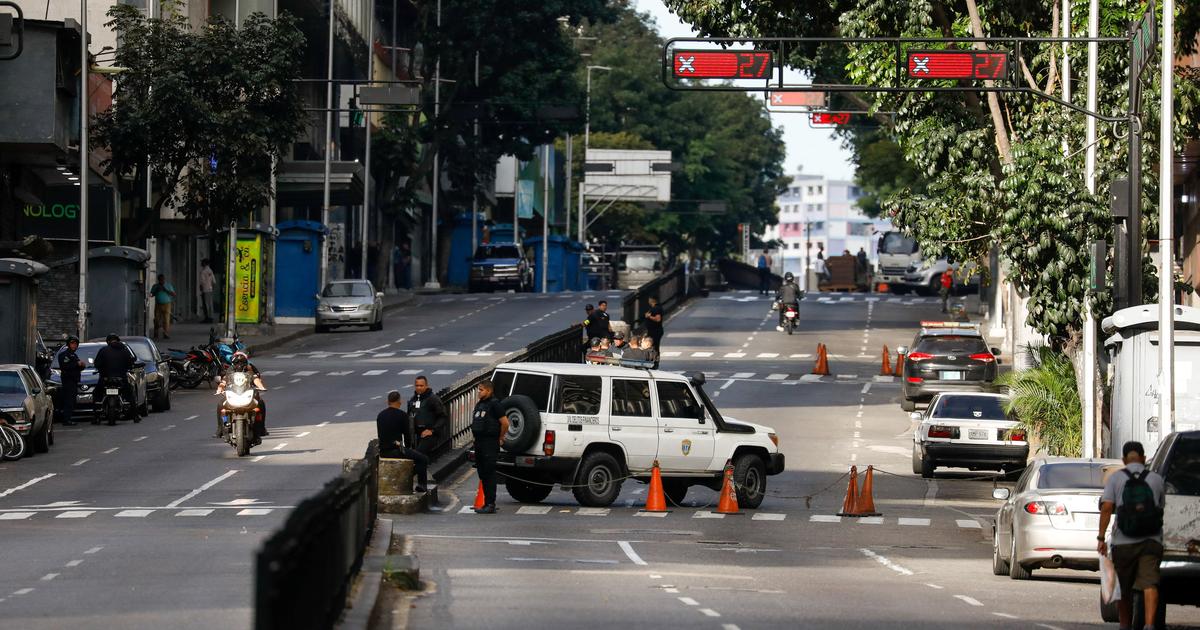
The aftermath of Caracas: Understanding the Recent Unrest and Its Implications
Recent events in Caracas, Venezuela, have understandably sparked global concern. Reports of gunfire near the presidential palace, Miraflores, surfaced late Monday evening, followed by the stunning capture of President Nicolás Maduro by U.S. forces. Understanding the context and potential ramifications of these developments is crucial. This article will break down what you need to know, moving beyond initial headlines to explore the unfolding situation.
A Timeline of Events
let’s establish a clear sequence of events as they’ve unfolded.
* Initially, witnesses reported hearing gunfire around the Miraflores palace around 8:00 PM local time.
* these sounds, described as rapid bursts, ceased relatively quickly, with authorities indicating the situation was brought under control.
* The official explanation points to unidentified drones flying near the palace, triggering a response from security teams.
* Crucially, these incidents occurred just over two days after President Maduro was taken into custody following a large-scale operation in the capital.
These events, taken together, paint a picture of escalating tension and a rapidly changing power dynamic.
The drone Incident: What We Know So Far
The presence of drones near the presidential palace raises several questions. Authorities have yet to identify the drones or their purpose.several possibilities are being considered, including:
* Reconnaissance: the drones could have been gathering intelligence on security arrangements around the palace.
* Provocation: They might have been intended to provoke a response from security forces, potentially escalating the situation.
* Attempted Attack: While unconfirmed, the possibility of a direct attack using drones cannot be ruled out.
Its crucial to remember that data is still emerging, and a definitive explanation remains elusive. You should remain critical of early reports and await further inquiry.
Maduro’s capture and Its Legal Ramifications
The capture of President Maduro by U.S. forces is a notably significant growth. He is currently facing legal proceedings in New York,where he has pleaded not guilty and claims to be a prisoner of war. This claim, however, is unlikely to hold legal weight under international law.
Several legal questions are now at the forefront:
* Jurisdiction: The U.S. asserts jurisdiction based on allegations of crimes committed related to drug trafficking and corruption.
* Due Process: Ensuring Maduro receives a fair trial, adhering to international legal standards, will be paramount.
* International Response: The capture has drawn mixed reactions from the international community, with some nations expressing support and others condemning the action.
The legal proceedings will undoubtedly be closely watched, as they could set a precedent for future interventions and the prosecution of foreign leaders.
What Does This Mean for Venezuela?
The recent unrest and Maduro’s capture have plunged Venezuela into a period of uncertainty. Several potential scenarios could unfold:
* Power Vacuum: Maduro’s removal creates a power vacuum that could be filled by various factions.
* Political Transition: Negotiations for a political transition, potentially involving new elections, are likely to begin.
* Continued Instability: The risk of continued instability and violence remains high, particularly if competing factions clash.
* Humanitarian Crisis: Venezuela is already grappling with a severe humanitarian crisis, and the current situation could exacerbate the suffering of its citizens.
You can expect a period of intense political maneuvering and potential social unrest as Venezuela navigates this challenging period.
The role of International Actors
The involvement of the United States is undeniable, but other international actors also have a stake in Venezuela’s future.
* United States: The U.S. has been a vocal critic of Maduro’s regime and has actively sought his removal.
* Regional Powers: Countries like Colombia and Brazil have been closely monitoring the situation and could play a role in mediating a resolution.
* International Organizations: The United Nations and the Organization of American States could provide humanitarian assistance and facilitate negotiations.
A coordinated international response will
Worth a look