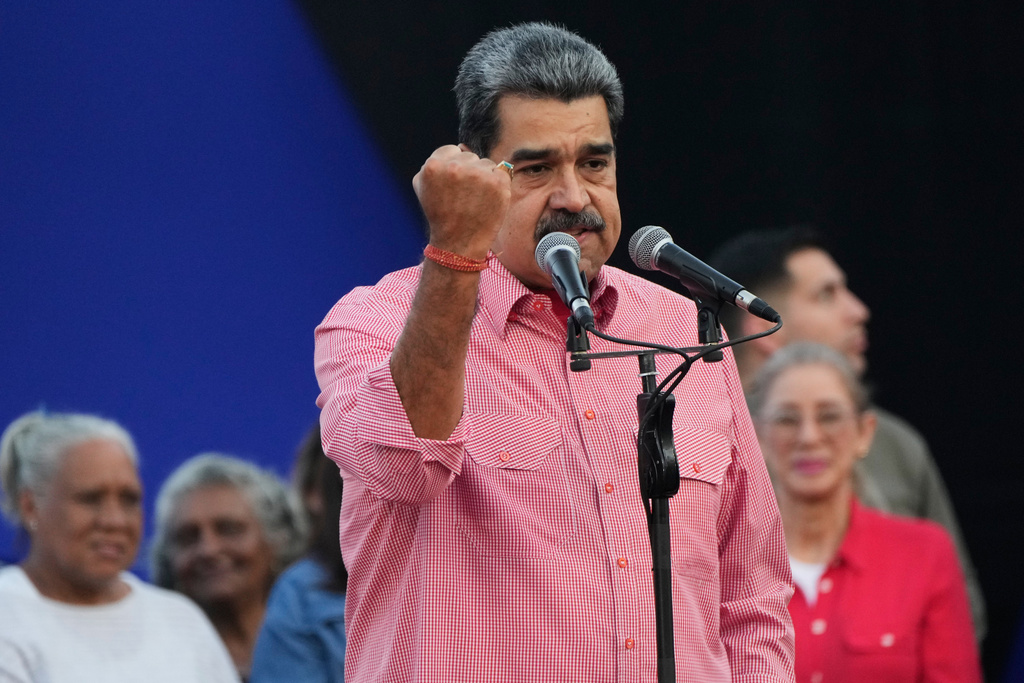
Venezuela on the Brink: Assessing Escalating US-Venezuela Tensions & Potential Military Intervention
The situation in Venezuela is rapidly evolving, marked by escalating tensions with the United States and a growing possibility of direct intervention. Recent developments, including flight suspensions by international airlines and heightened US military presence, signal a potentially dramatic shift in the long-standing political crisis. This article provides a complete overview of the current situation, examining the factors driving the escalating conflict, the potential consequences, and the differing perspectives within the US government.
The Current Landscape: A Nation in Crisis
Venezuela has been grappling with a severe political and economic crisis for years. President Nicolás Maduro‘s regime faces widespread accusations of corruption,human rights abuses,and ties to drug trafficking. This has led to a mass exodus of Venezuelans,creating a humanitarian crisis across the region.
Recently, the situation has intensified. Six international airlines have suspended flights to Caracas following a Federal Aviation Administration (FAA) warning about a potentially hazardous habitat in Venezuelan airspace. This move underscores the perceived instability and risk associated with operating in the region.
US Response: From Sanctions to Potential Military Action
The US response to the Venezuelan crisis has evolved under both the Trump and Biden administrations. Initially focused on economic sanctions and diplomatic pressure,the approach now appears to be leaning towards more assertive measures.
Here’s a breakdown of key US actions:
* Drug Interdiction Operations: As September, the US Navy has conducted at least 20 strikes against suspected drug smuggling vessels in the Caribbean Sea, resulting in over 80 fatalities, many of whom were Venezuelan. These operations are framed as a direct effort to disrupt the flow of narcotics into the United States.
* Military Posturing: A US Navy carrier group and B-52 bombers have been deployed off the Venezuelan coast, a clear demonstration of military force intended to pressure Maduro’s government.
* Terrorism Designation: The potential designation of a drug cartel linked to Maduro as a foreign terrorist organization represents a significant escalation, opening the door for broader counter-terrorism operations.
* Contingency Planning: Former President Trump has openly stated he doesn’t rule out the possibility of deploying US troops to Venezuela, signaling a willingness to consider all options.
The Legal justification Debate
The legality of potential military intervention is a contentious issue. Republican Congressman michael mccaul of Texas argues that the US military’s actions are justified under Article Two of the Constitution, which grants the President broad authority as Commander-in-Chief to protect national security. He contends that disrupting the flow of drugs into the US falls under this purview.
Though, this interpretation is not universally accepted. Concerns exist regarding the potential violation of Venezuelan sovereignty and the risk of escalating the conflict into a wider regional war.
Internal Divisions Within the US Government
Despite the increasingly hawkish rhetoric, there are differing opinions within the US government regarding the best course of action.
* Criticism of the Biden Administration: Virginia Senator Mark Warner, a Democrat, has criticized the Biden administration for not applying sufficient pressure on Maduro following the disputed 2018 Venezuelan presidential election. He believes a more assertive approach earlier coudl have prevented the current escalation.
* concerns About “America Frist” Voters: Republican Senator Rand Paul of Kentucky has expressed concern that a military intervention in Venezuela could alienate Trump’s base, particularly those who prioritize an “America First” foreign policy.He fears a fracturing of the President’s support if the situation escalates into a full-scale invasion.
Maduro’s Response and Regional Implications
The Venezuelan leadership is reportedly alarmed by the prospect of US intervention. Maduro’s regime has consistently denounced US actions as a violation of international law and an attempt to destabilize the country.
The potential consequences of a US intervention are far-reaching:
* Regional Instability: A military conflict could destabilize the entire region, potentially drawing in other countries and exacerbating the existing humanitarian crisis.
* Humanitarian Catastrophe: An intervention could lead to a significant increase in casualties and displacement, further straining the resources of neighboring countries.
* Geopolitical Ramifications: The situation could escalate tensions with countries that support Maduro’s regime, such as Cuba and Russia.
Public Opinion and the Path Forward
According to a recent CBS News poll, most Americans wont more information from the President regarding his plans for Venezuela before supporting military action. This highlights the need for transparency and a clear articulation of the US’s
Keep reading