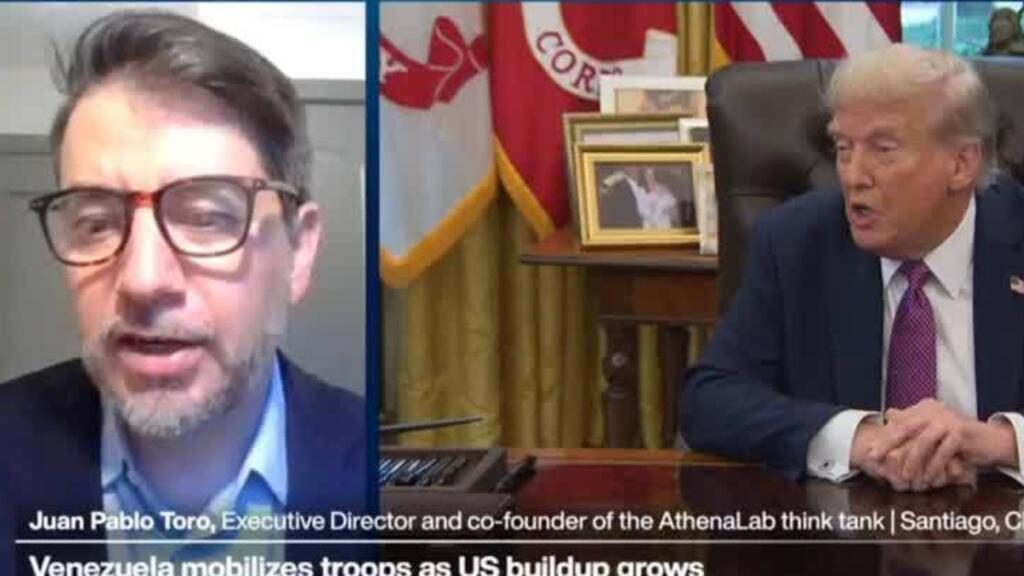
Navigating US-Venezuela Tensions: A Call for Dialog Amidst Escalating Risks
The complex relationship between the United States and Venezuela reached a critical juncture on September 6, 2025, as Venezuelan President Nicolás Maduro extended an offer for direct talks with Washington. this development unfolded just hours after former President Donald Trump issued a stark warning, threatening military action against Venezuelan aircraft deemed a threat to US forces. The situation, already fraught with peril, has rapidly escalated following accusations from the Pentagon regarding Venezuelan military planes approaching US naval vessels in the Caribbean Sea, occurring shortly after a US operation targeting a suspected Venezuelan vessel involved in drug trafficking.
The recent exchange highlights a deeply strained dynamic, rooted in political and ideological differences, and complex by allegations of illicit activities. Understanding the nuances of this conflict requires examining the sequence of events, the underlying motivations of each party, and the potential pathways toward de-escalation. This article will delve into the current state of US-Venezuela relations, analyze the risks involved, and explore the prospects for meaningful dialogue.
A History of Friction: From Accusations to Confrontation
The deterioration of US-Venezuela relations didn’t occur overnight. For years, Washington has levied criticisms against Maduro’s government, citing concerns over human rights abuses, democratic backsliding, and alleged ties to illicit drug trafficking. These concerns intensified following the 2018 presidential election, which the US and many other countries deemed illegitimate.
“The current escalation isn’t simply a reaction to recent events; it’s the culmination of years of mistrust and escalating rhetoric.Both sides have contributed to a climate where miscalculation is a significant risk.”
The US responded by imposing increasingly stringent economic sanctions on Venezuela, aiming to pressure Maduro to step down and restore democratic governance. However, these sanctions, while intended to weaken the Maduro regime, have also exacerbated Venezuela’s already dire economic crisis, leading to widespread shortages of food, medicine, and other essential goods. According to a recent report by the council on Foreign Relations (June 2025), the venezuelan economy contracted by an estimated 35% between 2014 and 2023, largely due to the combined effects of falling oil prices and US sanctions.
the recent incident involving US ships and Venezuelan aircraft adds a perilous military dimension to this already volatile situation. The Pentagon alleges that Venezuelan fighter jets approached its vessels at an unsafe distance, potentially jeopardizing the safety of US personnel. Venezuela, however, claims its aircraft were conducting routine exercises and did not pose a threat. This conflicting narrative underscores the difficulty in establishing a clear understanding of events and the potential for misinterpretation.
The Trump Threat and Maduro’s Response: A Delicate Balancing Act
Former president Trump’s declaration of a willingness to shoot down Venezuelan military planes represents a significant escalation in rhetoric. While such statements are not unprecedented in his political career, they carry substantial weight given the potential for miscalculation and unintended consequences. The threat raises serious questions about the legal justification for such action under international law and the potential for a wider conflict.
Maduro’s subsequent call for dialogue can be interpreted as an attempt to de-escalate the situation and avert a military confrontation. offering a pathway for communication,even with a historically adversarial governance,demonstrates a willingness to engage and potentially find a diplomatic solution. Though, the sincerity of this offer and the conditions under which Maduro would be willing to negotiate remain unclear.
The timing of these events is also noteworthy. With the US presidential election approaching in November 2024, the situation in Venezuela could become a political issue, potentially influencing the campaign rhetoric and policy decisions of both candidates.
Analyzing the Risks: A Potential for Wider Conflict?
The current situation presents several significant risks. A miscalculation or accidental encounter could easily escalate into a military confrontation. Even a limited exchange of fire could have far-reaching consequences, potentially drawing in other regional actors and destabilizing the Caribbean.
Furthermore, the ongoing economic crisis in Venezuela could worsen if tensions continue to rise. Increased sanctions or military action could further cripple the Venezuelan economy, leading to