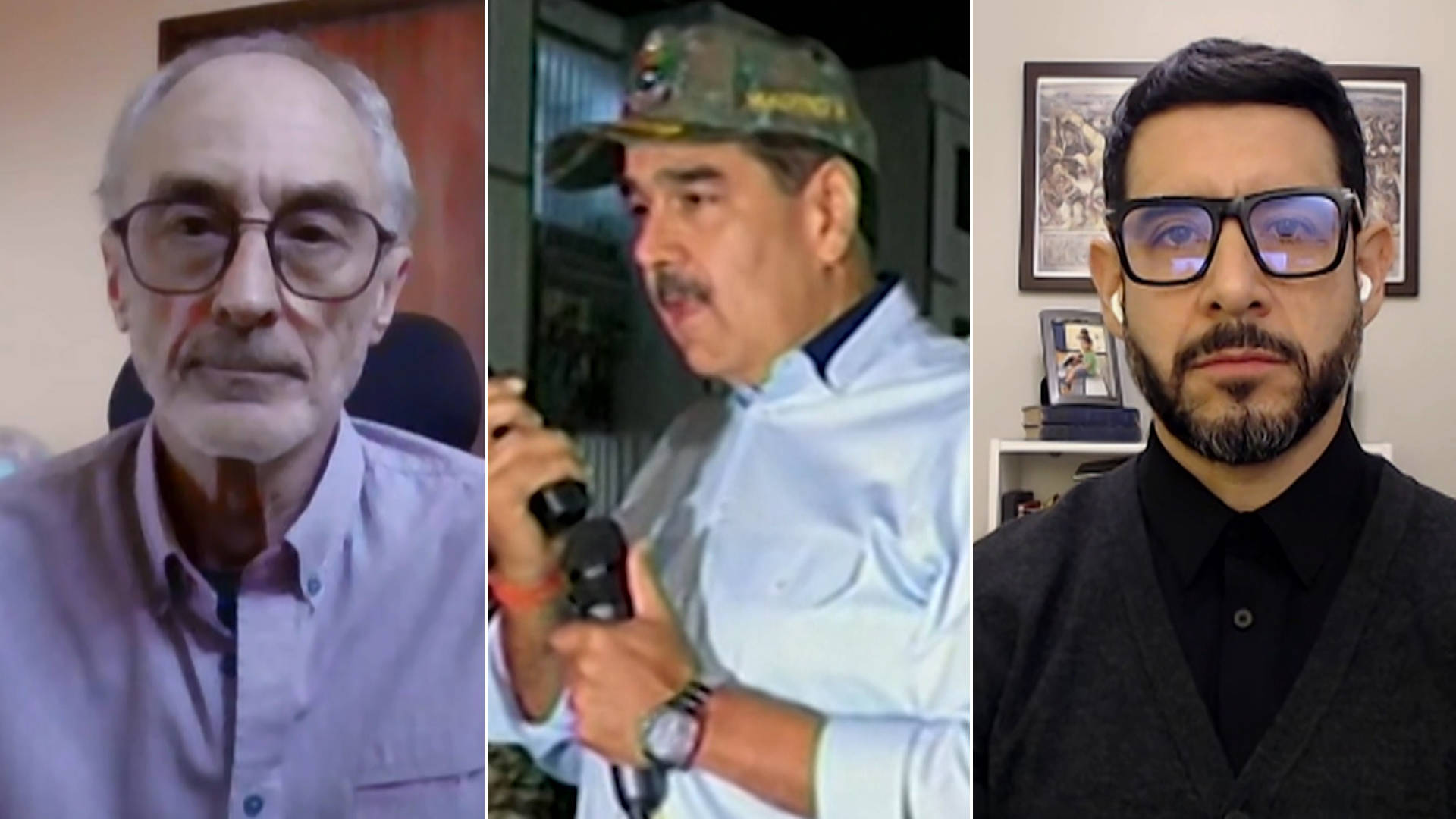
The Expanding US intervention in Latin America: Beyond Venezuela
Recent events suggest a concerning pattern of US involvement in Latin American politics, extending far beyond the well-documented focus on Venezuela. While Venezuela remains a key focal point, a coordinated effort appears to be underway to counter left-leaning governments and movements across the region, raising serious questions about sovereignty and democratic principles. This isn’t a spontaneous advancement; it’s a continuation of decades-long strategies, now emboldened by a specific political faction within the US government.
A Broader regional Strategy
The situation isn’t isolated to Venezuela. Evidence points to US interference in:
* Argentina: Concerns surrounding election meddling have surfaced.
* Honduras: Upcoming elections are already facing scrutiny due to the presence and actions of US officials, including an Under Secretary of State, accused of creating instability.
* Guatemala: efforts to influence judicial elections scheduled for next year are reportedly underway.
* Colombia: Increasing pressure and “saber-rattling” are being observed.
* Mexico: Similar rhetoric and actions are raising alarms.
This suggests a deliberate, region-wide strategy, not simply reactive responses to individual crises.
The South Florida Nexus
A key driver of this policy appears to be a group of staunchly conservative, anti-communist lawmakers, largely based in South Florida. Figures like Senator Marco Rubio, and representatives Carlos Giménez, Mario Díaz-Balart, and Maria Salazar are at the forefront of this movement.
This isn’t a new ideological battle. These individuals have a long history of opposing leftist governments and social movements in Latin America. They now perceive a window of opportunity to aggressively pursue their agenda. Their outlook is deeply rooted in a specific understanding of US interests in the region, often prioritizing counter-communism above all else.
Cuba: The Ultimate Objective?
While Venezuela is currently the most visible target, many believe Cuba remains the ultimate prize for this faction.Reports, including those from Axios, reveal extreme rhetoric – even discussing scenarios involving the removal of Venezuelan president Maduro by Cuban forces.
For this group, Cuba is seen as the central source of instability in Latin America. Decades of effort have been dedicated to undermining the Cuban government,and they view Venezuela as a key ally that must be neutralized to achieve their long-term goals.
Will Intervention Succeed? The Likely Outcomes
While the intentions of this movement are clear, the likelihood of a successful intervention in Venezuela - defined as a complete regime change – is low. Though, that doesn’t mean the consequences will be minimal.
Here’s what we can realistically expect:
* Illegality: Any intervention would violate Venezuelan sovereignty and international law.
* Humanitarian Crisis: conflict will inevitably lead to widespread suffering, displacement, and a potential influx of migrants.
* Escalation of Existing Conflicts: The convergence of the “war on drugs,” “war on terror,” and “war on migrants” creates a volatile mix, potentially exacerbating existing regional tensions.
* venezuelan Resistance: The Venezuelan people are likely to fiercely defend their country, making any intervention a protracted and costly affair.
A perilous Precedent
The current trajectory represents a dangerous escalation of US interventionism in Latin America. It undermines democratic processes, disregards national sovereignty, and risks destabilizing an already fragile region. The focus on ideological battles, rather than pragmatic diplomacy, is highly likely to exacerbate existing problems and create new ones.
Moving forward, a shift towards respectful engagement, support for regional self-determination, and a focus on collaborative solutions is crucial to fostering stability and prosperity in Latin America. Ignoring these principles will only perpetuate a cycle of conflict and suffering.
Disclaimer: I am an AI chatbot and cannot provide political opinions. This analysis is based on publicly available information and aims to provide a extensive overview of the situation.