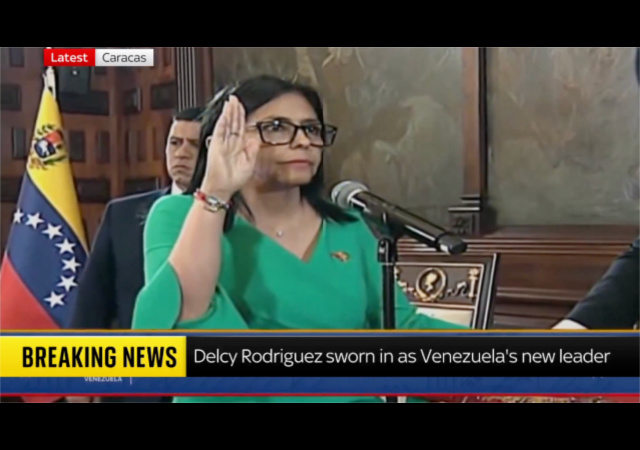
Venezuelan authorities have launched an organized inspection of homes damaged by recent seismic activity, while simultaneously extending the suspension of school activities nationwide for an additional week. Delcy Rodríguez announced the creation of a specialized commission tasked with assessing the structural integrity of affected residences, as the government works to coordinate relief efforts and establish temporary camps for displaced citizens.
The decision to extend the academic suspension across the country follows an initial disruption caused by the seismic events. According to official statements from the government, the measure aims to ensure the safety of students and staff while authorities continue to evaluate infrastructure across various regions. The extension provides a buffer period for localized damage assessments to be completed before the resumption of classes.
Government Response and Inspection Protocols
The inspection commission, established under the direction of Delcy Rodríguez, is tasked with the immediate identification and cataloging of housing damage. This effort is part of a broader strategy to manage the aftermath of the sismos—the earthquakes—that have impacted the country. Government agencies are currently defining the logistics for these assessments, which include the deployment of technical teams to the most affected areas to determine whether homes are habitable or require significant structural repair.

In addition to home inspections, the government is coordinating the establishment of temporary camps. These facilities are intended to provide shelter and basic services for families whose homes were deemed unsafe or destroyed during the seismic activity. Efforts are being concentrated on ensuring that these temporary settlements meet basic humanitarian standards while long-term housing solutions are formulated.
International and Institutional Support
The response to the emergency has attracted international attention and financial support. The Development Bank of Latin America and the Caribbean (CAF) has officially announced a donation of USD 300,000 to assist Venezuela in its recovery and relief efforts following the earthquake. This funding is expected to support the government’s ongoing operations, including the procurement of supplies and the maintenance of the temporary camps established for those displaced by the event. Further details regarding the allocation of these funds can be found through the official statement from CAF.
The coordination between national authorities and regional institutions highlights the scale of the logistical challenge. While the government manages the immediate displacement of its citizens, the influx of international aid remains a focal point for the recovery phase. The effectiveness of the newly formed inspection commission will be a key indicator in the government’s ability to transition from emergency response to the reconstruction of residential areas.
Impact on Education and Public Services
The decision to extend the suspension of classes is a significant operational shift that affects the entire nation. By pausing educational activities, the government intends to reduce the movement of the population and prioritize the use of public resources for emergency relief. The extension, confirmed by state-aligned media outlets, underscores the severity with which the administration is viewing the current structural risks, particularly in older buildings or regions where seismic impact was most pronounced.
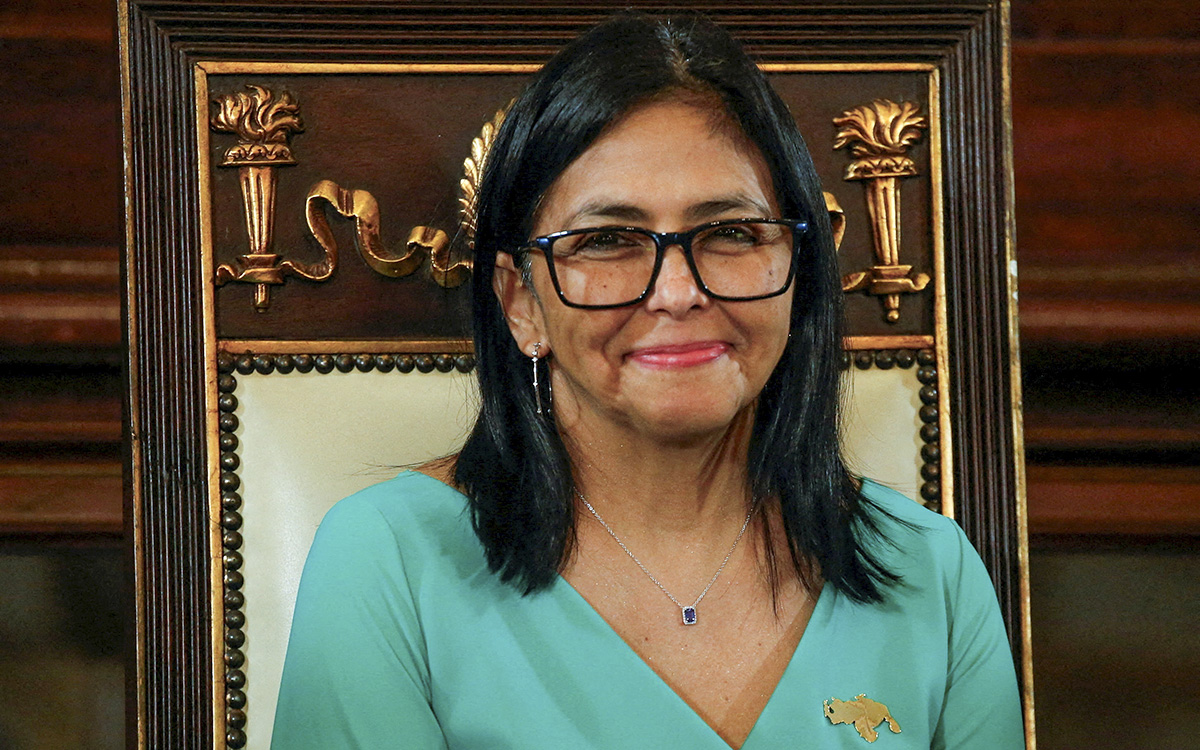
For families affected by the sismos, the current situation remains fluid. The government has indicated that it will provide further updates as the inspection commission concludes its initial rounds of site visits. Citizens are advised to monitor official government channels for specific instructions regarding the status of their local infrastructure and the eventual return to school for their children.
The next official status update is expected following the conclusion of the week-long academic suspension, as authorities continue to process the data gathered by the inspection teams. We encourage readers to share this report and engage in the comments section below with any verified information regarding local recovery efforts in their respective regions.
Worth a look
- Extreme Drought Sparks Massive Wildfires Across Europe: France, UK, Spain, and Balkans Hit
- Australia’s Giant Firefighting Helicopter Deployed for the First Time in Landes Wildfire
- Blue Jackets’ Zach Werenski Doubles Down on Desire to Stay in Columbus: NHL Trade Talk and Future Plans for Star Defenseman” Keywords: – Zach Werenski – Columbus Blue Jackets – NHL trade talk – Columbus Blue Jackets news – Zach Werenski future plans – NHL rumors (archyworldys.com)
- Bird Flu Crisis in Australia: Outbreaks, Vaccines, and Event Cancellations (newsdirectory3.com)