
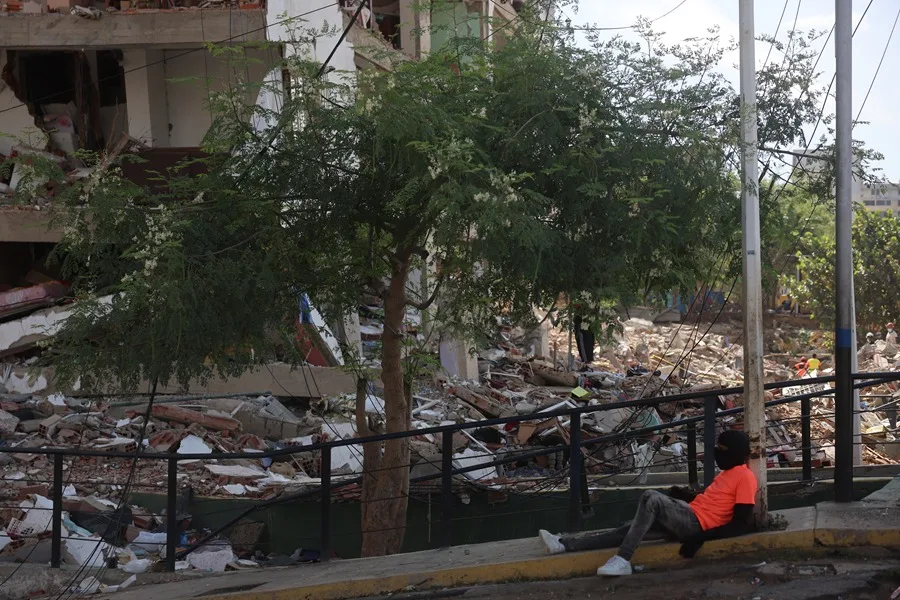
The confirmed death toll from the devastating earthquake that struck Venezuela has risen to 2,295, according to official reports released one week after the catastrophe. Emergency response teams continue to conduct search and rescue operations in the most heavily affected regions, as the government implements a seven-day period of national mourning to honor the victims of the disaster.
Current Status of Search and Rescue Operations
As of this week, rescue crews are working against the clock to locate survivors trapped beneath the rubble of collapsed buildings. The intensity of the search efforts remains high, though officials have noted that the window for finding individuals alive is closing rapidly. According to reports from international relief agencies, the structural instability of remaining ruins, combined with limited access to remote areas, has complicated the deployment of heavy machinery and specialized search equipment.

The scale of the destruction has prompted a significant mobilization of national resources. Authorities have requested that citizens prioritize clear routes for emergency vehicles, as congestion in urban centers has previously hampered the delivery of medical supplies and humanitarian aid. While international aid organizations have offered support, the logistical challenge of coordinating these efforts within the affected zones remains a primary concern for local administrators.
Infrastructure Vulnerabilities and Building Standards
The collapse of numerous buildings, particularly in the La Guaira region, has sparked an urgent debate regarding construction standards and urban planning. Engineers and geologists have identified several factors contributing to the widespread structural failure. Primary among these is the age of the building stock in coastal areas, which often predates the implementation of modern seismic-resistant building codes. Additionally, the rapid and sometimes informal urbanization of steep, unstable terrain has left many structures vulnerable to the liquefaction and ground movement associated with seismic activity.

Geological experts have also pointed to the specific soil composition in the affected coastal regions, which can amplify the energy of seismic waves. These factors, when combined with the lack of rigorous oversight in the maintenance of aging infrastructure, created conditions where even moderate tremors resulted in catastrophic structural collapses. Government officials have signaled that a comprehensive review of building regulations will be necessary in the aftermath of the recovery phase to prevent similar incidents in the future.
Public Response and Administrative Challenges
The national mourning period, decreed by the government, has been marked by a somber atmosphere across the country. However, the tragedy has also been accompanied by growing public frustration regarding the coordination of disaster relief. Many citizens have raised concerns over delays in the identification and return of human remains, with reports of administrative errors causing additional distress to mourning families. These procedural challenges have led to public demonstrations in several affected municipalities.
The political implications of the tragedy are becoming increasingly apparent as opposition groups and civil society organizations demand greater transparency regarding the distribution of emergency funds and the management of rescue operations. Political analysts suggest that the government’s ability to manage the recovery process effectively will be a key determinant in its public standing in the coming months. The government has maintained that its focus remains on saving lives and providing immediate relief to those who have lost their homes, promising investigations into the reported administrative lapses in the morgues and aid centers.
Looking Ahead: Recovery and Accountability
While the immediate priority remains the search for survivors and the stabilization of affected communities, the conversation is already shifting toward long-term reconstruction. The government is expected to provide an updated assessment of the economic impact of the earthquake in the coming days, as initial estimates suggest significant damage to public infrastructure, including roads, bridges, and utility grids.

For families impacted by the earthquake, local authorities have established temporary information centers to assist with the search for missing persons and the distribution of basic necessities. Citizens are encouraged to monitor official government channels and state-run news outlets for the latest information on the status of recovery efforts, the location of shelters, and procedures for accessing emergency financial assistance. Further updates from the Ministry of Interior and Justice are expected as the recovery operation enters its second week.