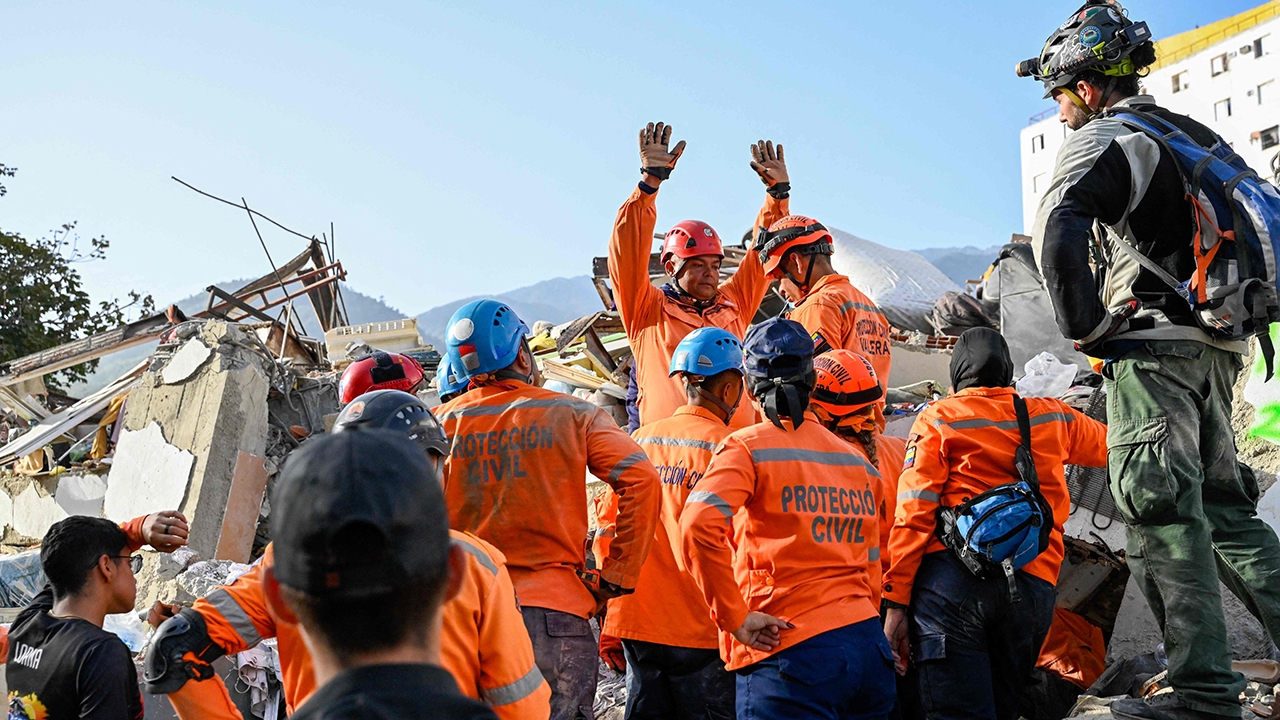
International aid efforts are mobilizing for Venezuela following a significant seismic event that has caused widespread structural damage and loss of life across the country’s coastal regions. While reports regarding the exact death toll and the number of missing persons vary significantly across different media outlets, government agencies and international observers continue to coordinate search and rescue operations to locate survivors trapped beneath collapsed infrastructure. The disaster arrives as the nation faces pre-existing vulnerabilities in its economic and political systems, complicating the delivery of emergency humanitarian support.
The seismic activity has triggered an urgent response from the international community, with humanitarian groups assessing the most critical needs in affected areas. According to reports from the BBC, the combination of natural disaster and long-standing economic instability has created a complex environment for disaster management teams. Authorities are currently focusing on clearing debris and stabilizing vital transport routes to ensure that medical supplies and food can reach the most isolated communities near the epicenter.
Assessing the Human and Structural Impact
The scale of the devastation remains under evaluation as rescue crews reach more remote locations. Initial reports of casualties have fluctuated as local authorities update their counts. While some sources have cited varying figures for the number of fatalities, the United States Geological Survey (USGS) provides the primary global data for seismic monitoring, though specific casualty counts are managed by Venezuelan civil defense agencies. The destruction of homes and essential services has displaced thousands, forcing many to seek refuge in temporary shelters established by local municipal governments.
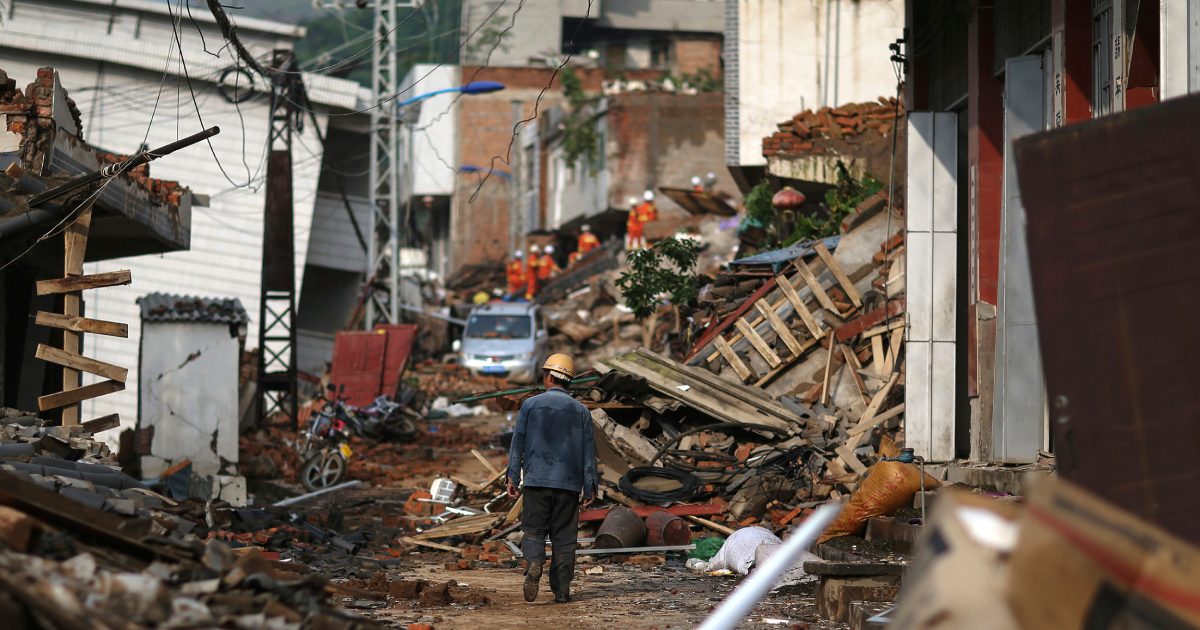
Structural damage is particularly severe in coastal districts, where older infrastructure was unable to withstand the intensity of the tremors. Engineers from local disaster relief agencies have noted that the collapse of buildings has exacerbated the crisis, trapping residents and obstructing emergency vehicles. The government has declared a state of emergency in the most affected provinces, allowing for the expedited release of federal funds and the deployment of military personnel to assist in the recovery efforts.
Economic Context and Humanitarian Challenges
The current emergency follows years of economic contraction in Venezuela, which has significantly weakened the national healthcare system and emergency response capabilities. Experts in regional development have highlighted that the destruction of critical infrastructure, including power grids and water treatment plants, will likely have long-term consequences for the affected regions. According to the World Bank, the country’s limited fiscal space makes the reliance on external humanitarian aid essential for effective recovery and reconstruction.
The logistical challenge is compounded by the pre-existing state of the country’s trade and coastal commerce. Many of the regions hit by the earthquake were already experiencing severe supply chain disruptions. International aid organizations are currently negotiating with local authorities to ensure that relief supplies are distributed equitably. The United Nations Office for the Coordination of Humanitarian Affairs (OCHA) has emphasized the need for a coordinated approach to avoid duplication of efforts and to ensure that aid reaches the most vulnerable populations, including those in rural areas where access remains limited.
International Cooperation and Next Steps
Several nations in the Latin American region, along with international NGOs, have pledged to send search-and-rescue teams, medical equipment, and basic necessities. The mobilization of these resources is being monitored by the International Federation of Red Cross and Red Crescent Societies (IFRC), which is working closely with the local Red Cross branch to coordinate volunteer efforts. The international response is currently in the initial phase, with a focus on life-saving operations rather than long-term reconstruction.
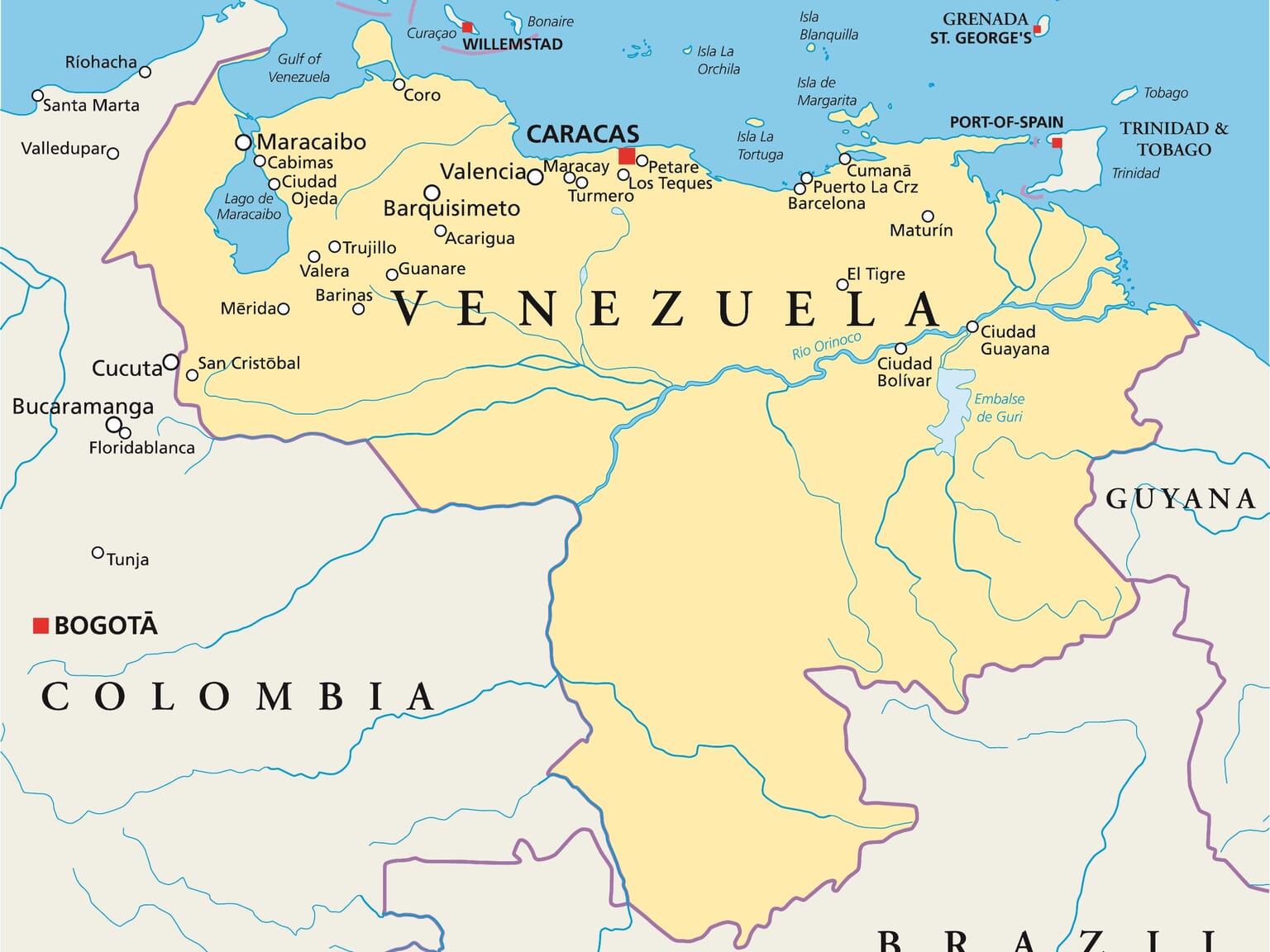
The situation remains fluid, with search and rescue teams expected to continue their operations over the coming weeks. Official updates regarding the number of confirmed survivors, missing persons, and ongoing recovery initiatives will be provided by the Venezuelan Ministry of Interior and Justice as they consolidate data from regional command centers. Members of the public looking for information regarding the welfare of loved ones or wishing to contribute to verified relief funds are encouraged to monitor official government portals and the websites of established international aid organizations for the most accurate and up-to-date guidance.
Related reading