
International humanitarian organizations and regional observers are currently assessing the impact of a seismic event in Venezuela, raising questions regarding the logistics of international aid delivery and the potential for shifts in long-standing diplomatic constraints. The earthquake, which struck northern coastal regions, has disrupted critical infrastructure, leaving communities in areas like La Guaira in urgent need of medical supplies, clean water, and structural assessments.
The geopolitical complexity of the situation stems from existing international sanctions and the strained bilateral relationship between Caracas and Washington. While the United States has historically provided disaster relief to nations globally, the current administrative framework governing aid to Venezuela remains subject to specific regulatory hurdles.
The Seismic Risk Profile of Northern Venezuela
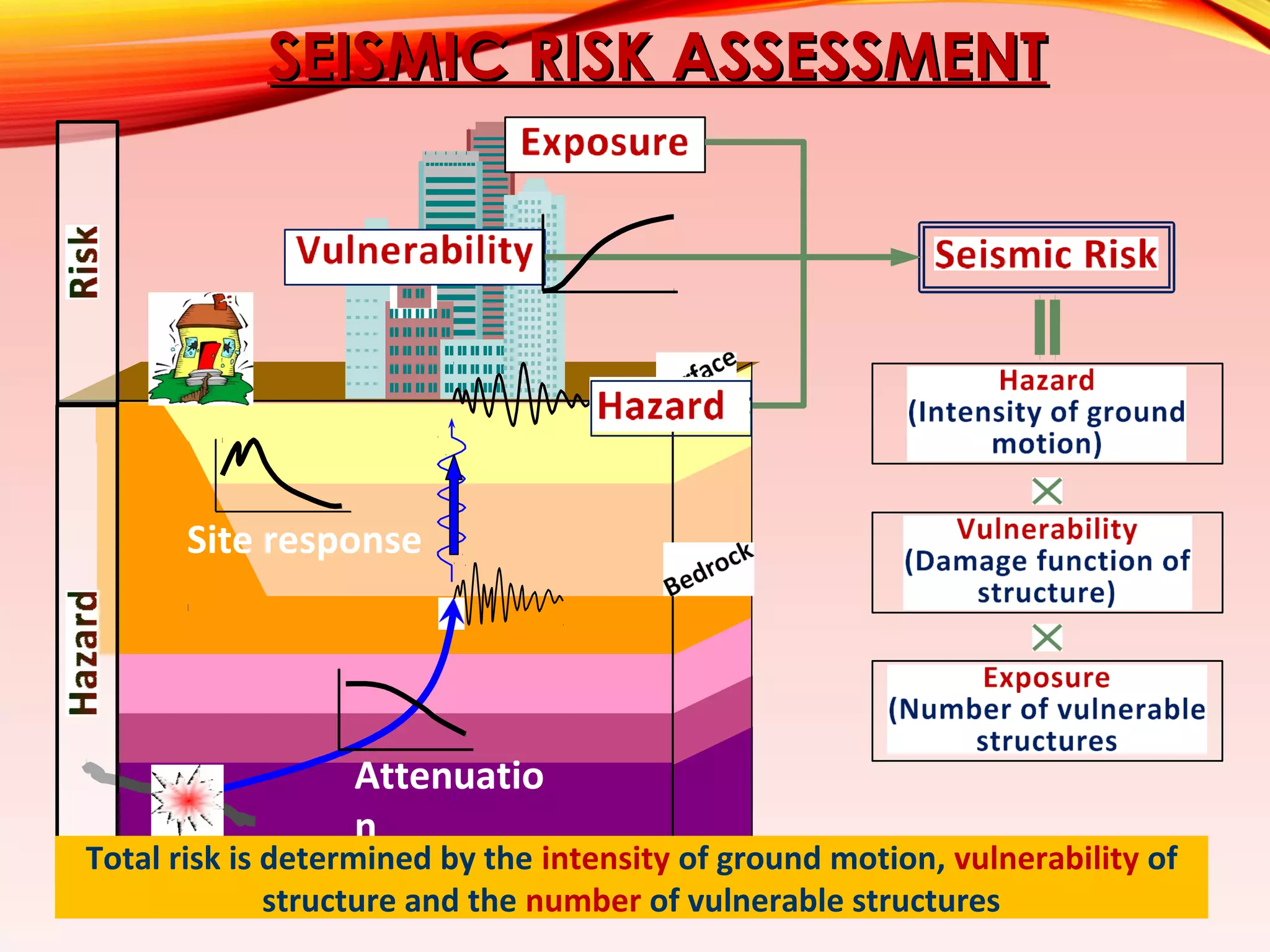
Venezuela is a seismic country, and 80 % of the population lives above the most active faults. Feliciano De Santis has noted that the concentration of the country’s population centers, including the capital and major port cities, in these geologically volatile areas creates a persistent vulnerability.
The recent tremors have highlighted the fragility of infrastructure in coastal areas. Satellite imagery shows the extent of the damage caused by the deadly double earthquake, complicating the movement of humanitarian convoys. Because a high percentage of the national population resides in these high-risk zones, local authorities are facing logistical bottlenecks that hinder the rapid deployment of search and rescue teams.
Regulatory Frameworks for International Aid
The question of humanitarian responsibility often clashes with the technical reality of international law. Humanitarian aid is typically channeled through established international non-governmental organizations or multilateral entities to bypass government-to-government friction. This mechanism is intended to ensure that aid reaches affected civilians while adhering to legal requirements.
Critics and humanitarian advocates argue that the speed of aid deployment is often hampered by the time required to clear these regulatory hurdles. Conversely, policymakers in Washington emphasize that the integrity of the sanctions regime must be maintained even during natural disasters to prevent the diversion of resources. As of the latest updates, no formal change to the U.S. sanction policy regarding Venezuela has been announced in response to the earthquake.
Logistical Challenges in Affected Coastal Regions
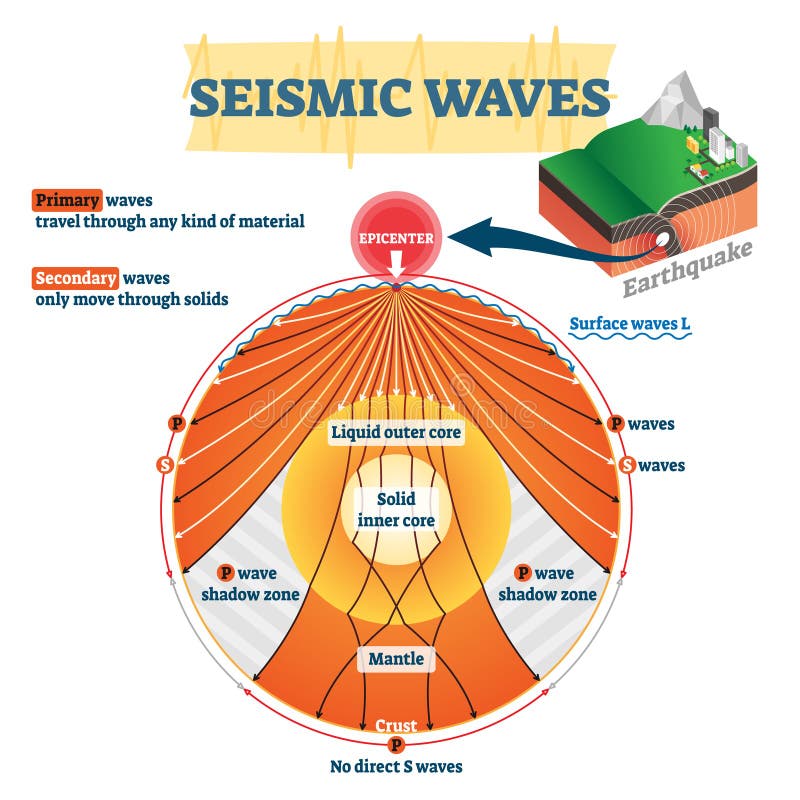
The town of La Guaira, in Venezuela, is cut off from the world and from relief. The combination of mountainous topography and the specific impact of the seismic waves has rendered primary transit routes unstable. When natural disasters strike in areas with pre-existing infrastructure deficits, the “last mile” of aid delivery often becomes the most significant obstacle to saving lives.
Local relief efforts are currently relying on heavy machinery and manual labor to clear debris, but the lack of specialized equipment remains a point of contention. Observers note that while international organizations have the capacity to mobilize resources, the coordination between local municipal authorities and international donors requires high-level diplomatic clearance that remains largely absent at this stage.
Next Steps in the Humanitarian Response
The international community is awaiting assessment reports, which are expected to provide a clearer picture of the casualty figures and the specific volume of medical and shelter supplies required. Until then, the situation remains fluid, with local communities managing the immediate aftermath of the double seismic event with limited external support.
Future developments will likely hinge on whether the Venezuelan government formally requests international assistance through multilateral channels, a move that would provide the necessary legal cover for foreign governments to bypass bilateral diplomatic deadlock. We will continue to monitor official government portals and humanitarian agency updates for any shift in the status of aid corridors. Readers are encouraged to share this report and contribute to the discussion on the balance between sanctions and humanitarian imperative.
Related reading
- Luke Bronin Defeats AIPAC-Backed Rep. John Larson in Connecticut Democratic Primary
- EU Imports of Russian LNG Rise Despite Ban Plans, Boosting Moscow’s Revenue
- Ebola Outbreak in DR Congo on Track to Surpass Historic West African Crisis (time.news)
- FDA Approves Groundbreaking mRNA Vaccine Booster for Adults 50+, Boosting Immunity and Protecting Against Chronic Health Risks (archyworldys.com)