
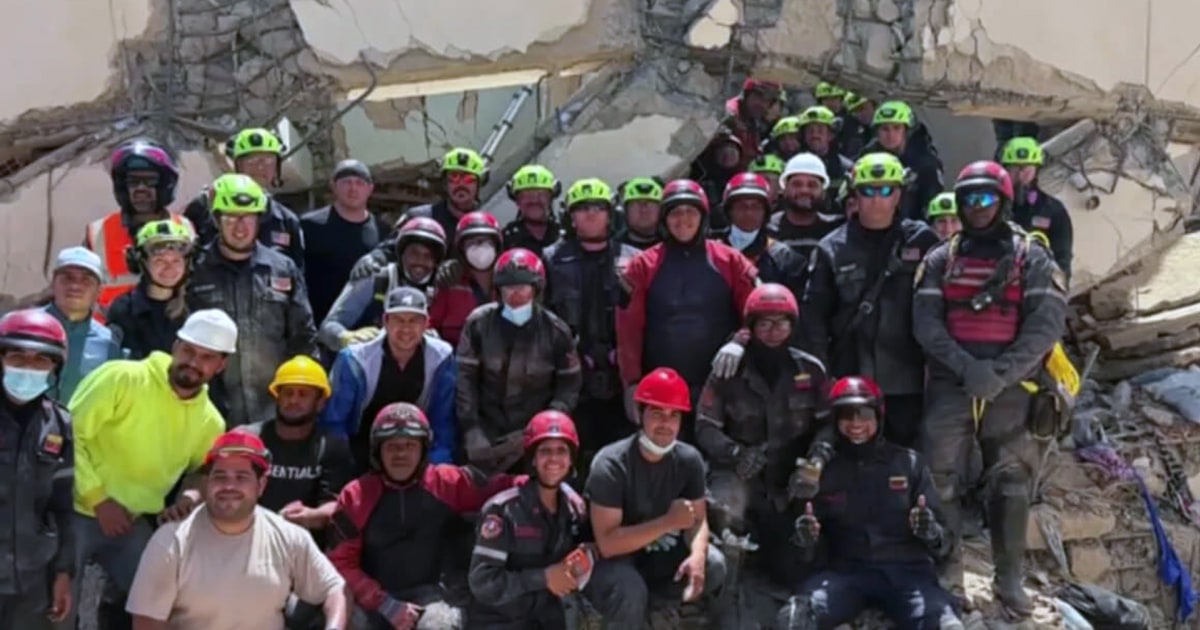
Communities across the Washington, D.C., Maryland, and Virginia (DMV) area have mobilized to support earthquake relief efforts in Venezuela, as local first responders and restaurant owners coordinate aid for those affected by recent seismic activity. Venezuelan expatriates and business owners in the region are leveraging their local networks to organize supply drives and fundraising initiatives, aiming to provide essential resources to survivors in the impacted areas.
The humanitarian response highlights the deep ties between the Venezuelan diaspora in the United States and their home country. While official international aid channels often face bureaucratic hurdles, local community efforts have emerged as a primary method for ensuring immediate support reaches the ground. According to reports from the region, these efforts focus on gathering non-perishable goods, medical supplies, and financial contributions to address the urgent needs of displaced families.
Community-Led Logistics and Aid Coordination
The relief effort is characterized by a grassroots approach, with many Venezuelan restaurants serving as central hubs for collection. By acting as community anchors, these businesses allow residents to drop off physical donations, which are then consolidated for shipment. This decentralized model is a common response among diaspora groups when large-scale international aid is delayed or logistically complex.

First responders residing in the DMV area have also contributed by sharing logistical expertise to ensure that aid is distributed effectively. Coordination involves vetting shipping partners to guarantee that donations reach the intended areas in Venezuela without significant loss or delay. Participants in these drives emphasize the importance of transparency, often providing regular updates on social media regarding the status of shipments and the specific items currently in highest demand.
The Role of the Venezuelan Diaspora in the DMV
The Washington metropolitan area is home to a significant Venezuelan population, many of whom have maintained strong cultural and economic links to their country of origin. For these individuals, the earthquake is not merely a distant event but a personal crisis affecting families and friends. The mobilization of local resources serves as both a humanitarian necessity and a way to maintain communal solidarity during times of disaster.

Observers note that such community-based initiatives often provide a faster, more targeted response than broader institutional efforts. By focusing on specific regions or local contacts, these groups can bypass some of the logistical bottlenecks that typically plague disaster relief operations in countries with complex political environments. For residents looking to participate, local community centers and social media pages for Venezuelan-American organizations remain the most reliable sources for verified information on current needs and drop-off locations.
Challenges and Future Outlook
Despite the dedication of those involved, the relief effort faces ongoing challenges, including the high cost of international shipping and the necessity of navigating customs regulations. Organizers frequently adjust their strategies based on the changing needs of the impacted communities and the fluctuating availability of transport routes. The sustainability of these efforts depends heavily on the continued engagement of the local public and the ability of organizers to maintain a steady flow of supplies.
As the situation in Venezuela evolves, community leaders are encouraging residents to remain engaged and to verify the legitimacy of any donation request before contributing. Official updates regarding the seismic situation and the effectiveness of international aid responses can be monitored through global disaster management platforms, such as the United States Agency for International Development (USAID), which tracks humanitarian aid efforts across the region.
The next phase of the relief effort will likely focus on long-term recovery, including the reconstruction of residential infrastructure and the provision of ongoing medical support for the injured. Supporters are urged to keep informed through local community boards and official channels. Please share your thoughts or experiences with local relief efforts in the comments section below.