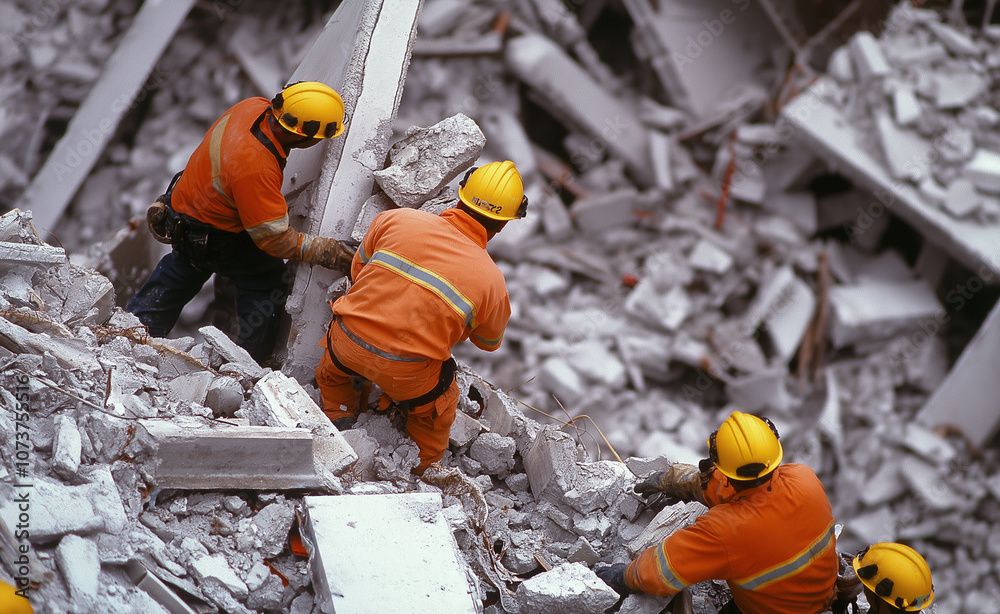
Rescue teams operating in Venezuela have successfully extracted one survivor from earthquake debris eight days after the initial seismic events, marking a rare success in a desperate search and rescue operation. While the discovery offers a brief moment of relief, authorities report that the window for finding further survivors is closing rapidly as the focus of international and local teams shifts toward recovery efforts in the hardest-hit regions.
The state of La Guaira, located north of Caracas, remains the primary zone of concern for emergency responders. According to recent field reports, the intensity of the damage has complicated access to remote areas, prompting the deployment of specialized international units to assist local civil protection agencies. The Czech Urban Search and Rescue (USAR) team, which has been working on the ground since shortly after the disaster, is scheduled to conclude its mission and depart the country this Sunday, signaling a transition in the operational phase of the crisis.
Rescue Efforts and the Search for Survivors
The discovery of a living individual more than a week after the tremors occurred is considered an outlier in disaster response, where the critical survival window typically spans 72 to 96 hours. Rescue teams have utilized advanced equipment to detect signs of life beneath the structural wreckage, though the physical toll on the terrain and the instability of buildings continue to pose significant risks to searchers. Members of the international response contingents have noted the profound emotional weight of the mission, highlighting that even when rescues are not possible, the recovery of victims provides a necessary, albeit painful, closure for affected families.

Satellite data, including imagery from the Sentinel-1 mission, is currently being used to monitor ongoing ground shifts and structural deformations across the region. These technical assessments are vital for ensuring the safety of rescue workers who remain in the field, as secondary collapses remain a persistent threat in the unstable urban environments of La Guaira and surrounding areas.
International Response and Logistical Challenges
The international response has been characterized by high-level coordination between the Venezuelan government and foreign volunteer units. The Czech USAR team, specifically equipped for heavy urban rescue, has been instrumental in navigating the complex, concrete-heavy debris fields that define the disaster zone. As these specialized units prepare to withdraw, the responsibility for continued clearing and humanitarian support will revert to national authorities and local volunteer networks.
The logistical difficulty of the operation has been exacerbated by the geography of the La Guaira state. The region’s mountainous topography and damaged infrastructure have frequently delayed the transit of heavy machinery needed to lift large slabs of concrete. Officials have emphasized that the priority remains the stabilization of the most precarious structures to prevent further accidents while the search for remaining missing persons continues.
Current Status and Next Steps
As of late this week, the official focus has remained on the search and rescue phase, though the transition to humanitarian aid and reconstruction is imminent. The departure of key international teams on Sunday will mark a pivotal shift in the local response strategy. Residents in the affected areas are advised to follow official updates from the Venezuelan Civil Protection agency regarding safety protocols, the status of temporary shelters, and the availability of medical assistance.

The international community continues to monitor the situation, with satellite monitoring expected to provide ongoing data regarding the stability of the terrain in the coming weeks. Updates regarding the final phase of the international rescue mission are expected to be released by participating government agencies following the departure of their personnel this weekend. We invite our readers to share their thoughts or experiences in the comments section below as the region begins the difficult process of recovery.