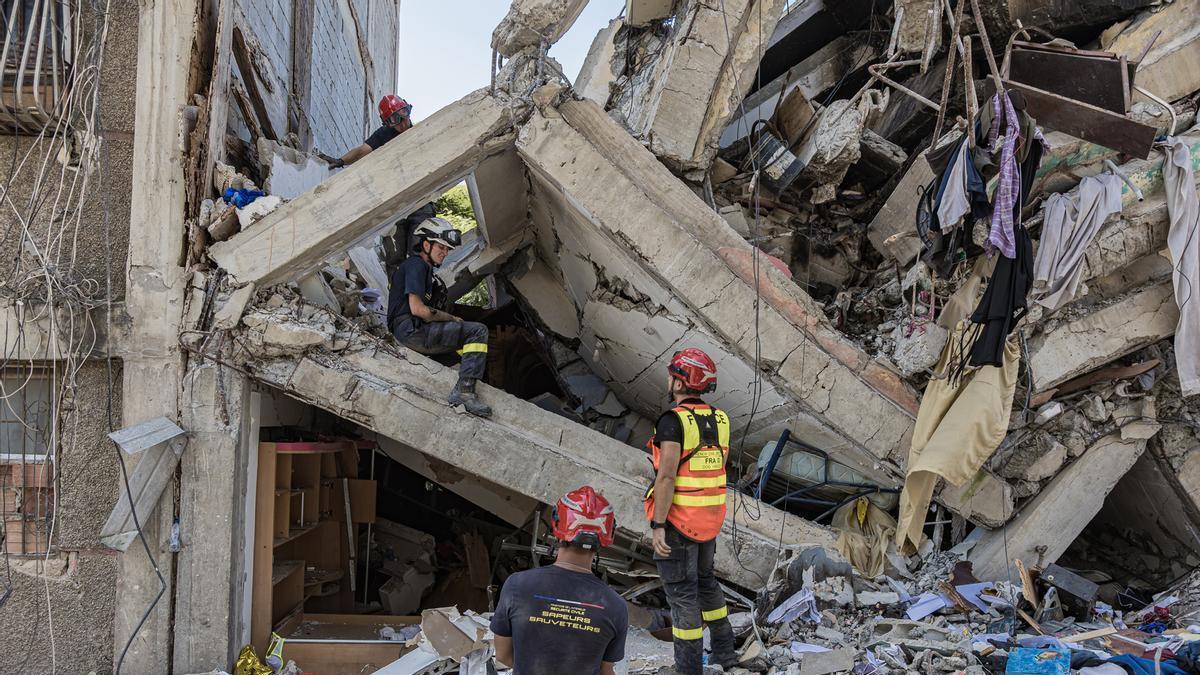
Rescue operations in Venezuela continue to prioritize debris removal and the search for missing persons following a series of significant seismic events that struck the region. As of the latest official reports, the death toll has reached 2,954, with 16,592 individuals confirmed injured. Recovery efforts remain intensive as local authorities and emergency teams navigate the structural damage caused by the tremors.
The ongoing crisis, which has now entered its second week, has displaced thousands of residents and severely strained local infrastructure. While international aid and local volunteer efforts continue to stabilize the affected areas, the focus remains on the critical task of clearing rubble to reach those who remain unaccounted for. Families in the impacted regions continue to search for loved ones, balancing the reality of the mounting casualty figures with the hope of rescue.
Current Status of Search and Rescue Operations
Eleven days after the initial seismic activity, emergency crews are concentrating their efforts on the clearance of debris in the most heavily affected zones. The structural instability of remaining buildings has slowed progress, necessitating the use of specialized equipment to safely remove heavy concrete and steel. According to updates from local emergency management agencies, the primary objective is to reach areas that have been inaccessible due to widespread road damage and collapsed infrastructure.
The scale of the disaster has required a sustained response, with personnel working in shifts to maintain momentum. The coordination of these teams is managed through regional emergency command centers, which are responsible for allocating resources to the hardest-hit municipalities. Despite the passage of time, search operations continue, although officials acknowledge that the window for finding survivors is narrowing significantly as environmental conditions and structural threats persist.
Humanitarian Impact and Victim Statistics
The human toll of the seismic events has been significant, with the latest figures confirming 2,954 fatalities and 16,592 injuries. These numbers reflect the widespread impact on residential areas and public facilities. The regional health system is currently managing the influx of patients, with field hospitals established to supplement existing medical facilities that were damaged during the tremors.
Beyond the immediate medical needs, thousands of families are grappling with the loss of their homes and livelihoods. Relief organizations are working to provide temporary shelter, food, and clean water to the displaced populations. The psychological impact on the community is an emerging concern, with local health authorities coordinating support services for those affected by the loss of family members and the destruction of their communities.
Regional Challenges and Infrastructure Recovery
The seismic activity has caused extensive damage to critical infrastructure, including power grids, water supply systems, and key transportation routes. Repairing these systems is essential for the delivery of humanitarian aid, but the process is complicated by the ongoing risk of aftershocks and the sheer volume of debris. Engineers are currently conducting safety assessments of schools, hospitals, and residential blocks to determine which structures can be salvaged and which require controlled demolition.
The economic impact of the disaster is expected to be profound, as the recovery will likely require long-term investment in reconstruction and urban planning. For now, the priority remains the immediate safety of the public and the restoration of essential services. Government officials have indicated that they are working to streamline the supply chain for building materials and medical supplies to ensure that aid reaches the most vulnerable populations without delay.
Next Steps for Affected Communities
Emergency management agencies are scheduled to provide daily briefings on the progress of debris removal and the status of ongoing search operations. Residents are advised to monitor official government channels for updates regarding safety guidelines, the location of temporary shelters, and the distribution of humanitarian aid. As the situation evolves, the focus will gradually shift from immediate search-and-rescue to recovery and long-term rebuilding efforts.
The path toward recovery remains long, and local authorities have called for continued support from both domestic and international partners. Readers are encouraged to stay informed through verified updates from official sources and to consult local emergency management websites for specific information regarding assistance programs. We welcome your thoughts on how communities can best coordinate during these recovery phases; please share your perspectives in the comments section below.