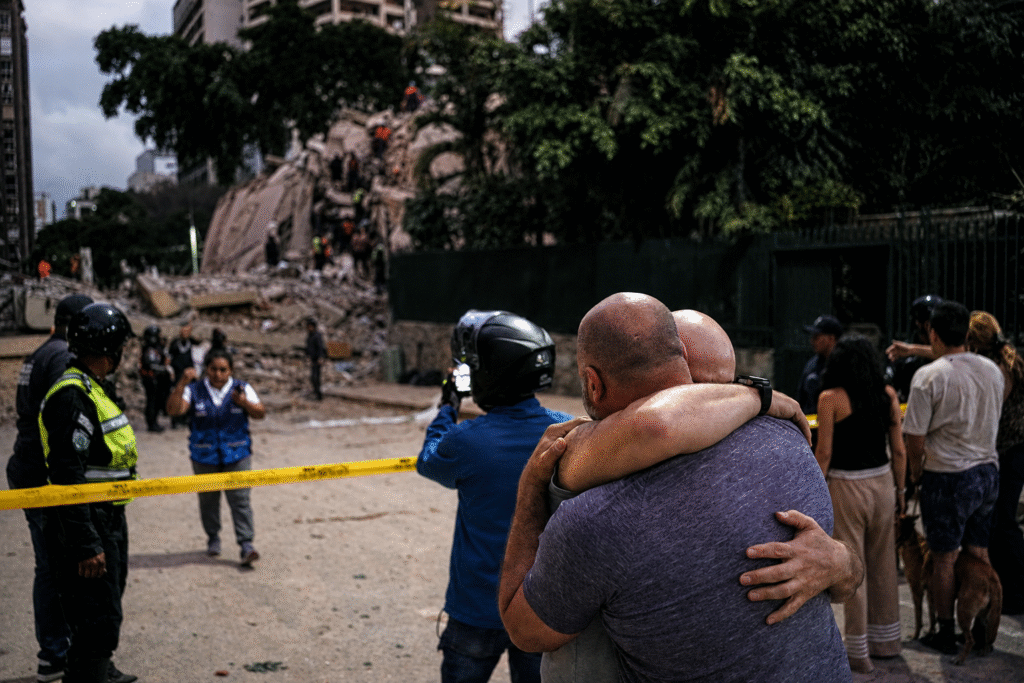
Human rights advocates are calling for urgent, transparent, and rights-based relief efforts in Venezuela following seismic activity reported on 24 June. International organizations and local observers have expressed concern that the current humanitarian emergency—compounded by a decade-long economic and political crisis—could be exacerbated by the lack of clear, verified information regarding the scale of the earthquake’s impact and the government’s response strategy.
Agnès Callamard, Secretary General of Amnesty International, stated that the disaster risks worsening an already severe humanitarian situation in a country where the public health system has been significantly weakened. According to international humanitarian standards, authorities are obligated to prioritize the protection of life and personal integrity while ensuring that aid reaches those most in need without political bias. As of this report, Venezuelan authorities have provided limited data regarding casualties, structural damage, or specific deployment routes for emergency services, leaving a significant information vacuum for residents and international aid agencies.
Transparency and the Right to Information
The lack of consistent, official updates from the Venezuelan government has drawn criticism from human rights monitors. Providing prompt and credible information is a fundamental requirement under international disaster relief protocols, which emphasize the necessity of transparent communication to coordinate search, rescue, and medical operations effectively. When authorities fail to disclose the number of people injured or the status of missing individuals, it prevents families from locating loved ones and hinders the efficient allocation of medical resources.

Access to information in Venezuela has been historically constrained by state-sponsored media censorship and the restriction of digital communication channels. For years, international rights groups have documented the closure of independent media outlets and the blocking of social media platforms, such as X (formerly Twitter), which often serve as vital lifelines during natural disasters. Experts argue that restoring full access to these platforms is not merely a matter of press freedom but a critical safety measure that could prevent the loss of life by allowing citizens to share real-time updates and reach emergency services.
Civic Space and Humanitarian Operations
The effectiveness of the earthquake response is closely tied to the operational capacity of civil society organizations, which currently face a restrictive legal environment in Venezuela. Legislative efforts to increase control over non-governmental organizations have created significant barriers for groups attempting to provide essential services, including food, water, and medical care to vulnerable populations. International observers, including the Office of the United Nations High Commissioner for Human Rights, have previously noted that such legal frameworks limit the ability of independent actors to assist in crises, effectively narrowing the space for essential humanitarian work.
To facilitate an effective disaster response, analysts suggest that the government must remove legal obstacles that impede the work of NGOs. International humanitarian principles—specifically humanity, impartiality, neutrality, and independence—must guide the deployment of resources. Without the active, unhindered participation of civil society, the state may struggle to reach remote or marginalized areas where the need for aid is highest. Cooperation between state resources and local aid networks remains the most effective path toward ensuring that relief reaches the population without discrimination.
Protection of Detainees and Vulnerable Groups
A critical, often overlooked aspect of disaster response is the safety of individuals currently held in state detention centers. In the aftermath of the earthquake, there is an urgent need for independent verification of the conditions inside these facilities. Human rights bodies and families of detainees have raised concerns that those in custody may be particularly vulnerable to neglect or lack of access to medical care during the emergency. International law mandates that the state maintains responsibility for the safety and health of all persons in its custody, regardless of their legal status.
Calls have been made for the immediate lifting of restrictive measures on those who have been previously detained, particularly those held for political reasons. By waiving or suspending precautionary measures, authorities could alleviate the burden on detainees and their families, allowing for safer movement and better access to necessary resources. Ensuring that human rights monitors have access to detention centers is essential to confirm that the safety of detainees is not compromised by the disaster or the resulting logistical challenges.
The Path Forward for International Aid
Addressing the current emergency will require a coordinated effort between the Venezuelan government and the international community. Multilateral cooperation is necessary to mobilize the large-scale resources required for long-term recovery and immediate relief. Donors and international humanitarian actors are encouraged to collaborate directly with local organizations that possess the expertise and community connections to deliver aid effectively.

The international community continues to monitor the situation, with many organizations emphasizing that solidarity must be translated into concrete, neutral, and impartial aid. The effectiveness of these efforts will depend on the Venezuelan government’s willingness to comply with international human rights law and to facilitate the arrival and distribution of assistance. Moving forward, the focus remains on the urgent need for verified casualty counts, the opening of communication lines for the public, and the guarantee that relief efforts will not be used as a political tool. Readers are encouraged to stay updated through verified international reporting channels and to support organizations that maintain independent, transparent operations on the ground.
Keep reading
- Trump Claims US Has Total Control Over Strait of Hormuz
- UK and Western Europe Plunged Into Darkness During Rare Total Solar Eclipse
- Chiefs Receiver Rashee Rice Calls Jail Time a Reality Check and Learning Experience (world-today-news.com)
- Perez Hilton Mom Gets Temporary Custody After His Mental Health Crisis (time.news)