
Diplomatic tensions between Caracas and Santiago have escalated following a sharp exchange between Venezuelan Foreign Minister Yván Gil and Chilean President José Antonio Kast. The conflict erupted after President Kast suggested a conditional path toward the normalization of ties during his first official overseas visit to Argentina, prompting a scathing rebuttal from the Venezuelan government.
The friction centers on President Kast’s assertion that a shift in Venezuela’s political leadership—specifically the removal of Nicolás Maduro—would create the necessary conditions to restore consular and diplomatic relations. However, Foreign Minister Gil has dismissed these overtures as contradictory, arguing that the Chilean leader’s rhetoric makes any serious diplomatic engagement impossible.
This diplomatic clash unfolds against a backdrop of significant geopolitical shifts, including the reported capture of Nicolás Maduro by United States troops and his subsequent processing in the U.S. Legal system. While President Kast views this as an opening for stability, the current Venezuelan administration views the Chilean president’s approach as a calculated political performance rather than a sincere diplomatic strategy.
Venezuela Rejects “Contradictory” Diplomatic Overtures
Foreign Minister Yván Gil responded with severity to President Kast’s comments, questioning the coherence of a leader who speaks of restoring relations while simultaneously attacking the Venezuelan state and its people. In a communication shared via Telegram, Gil stated that It’s “strange” for Kast to discuss the restoration of ties while converting every public declaration into an attack against Venezuela and Venezuelan migrants according to El Nacional.
Gil emphasized that a foundation of respect is a prerequisite for any bilateral negotiation. “It is impossible to speak seriously about consular or diplomatic relations: one cannot ask for dialogue while sowing contempt,” Gil asserted, adding that discussing respect is not viable while “aggression” continues as reported by La Tercera.
the Venezuelan Foreign Minister characterized President Kast’s remarks as being designed for domestic political gain rather than international diplomacy. Gil claimed that the Chilean president is speaking to an “extremist public” with “much noise, much pose, and extremely little seriousness,” effectively dismissing the proposal as a political stunt rather than a legitimate foreign policy initiative.
Kast’s Conditions for Normalization
The dispute was triggered by statements made by President Kast in Buenos Aires following a meeting with Argentine President Javier Milei at the Casa Rosada. During a press conference, Kast outlined a gradual approach to restoring ties, predicated on the exit of Nicolás Maduro from power. Kast, who referred to Maduro as a “narcodictador” (narcodictator), argued that the former leader’s capture by U.S. Troops and current processing in the United States open a window for several countries to stabilize their relationships with Venezuela per El Nacional.
According to the Chilean president, the removal of Maduro would allow for a phased return to normalcy, beginning with the restoration of consular relations. Kast noted that this would be a critical first step to facilitate the return of Venezuelan citizens and the reactivation of commercial flights between the two nations as detailed by La Tercera.
Kast’s position reflects a broader strategy of conditional engagement, where the restoration of full diplomatic ties is viewed as a reward for a fundamental change in the Venezuelan government’s structure and its approach to receiving its own compatriots back into the country.
Regional Implications and the Argentina Connection
The timing of these declarations is significant, as they occurred during President Kast’s first official trip abroad. The meeting with Javier Milei underscores a shared ideological alignment between the Chilean and Argentine administrations regarding the Venezuelan crisis. By framing the normalization of ties around the removal of the previous regime, Kast is aligning Chile with a bloc of nations that have historically challenged the legitimacy of the Maduro government.
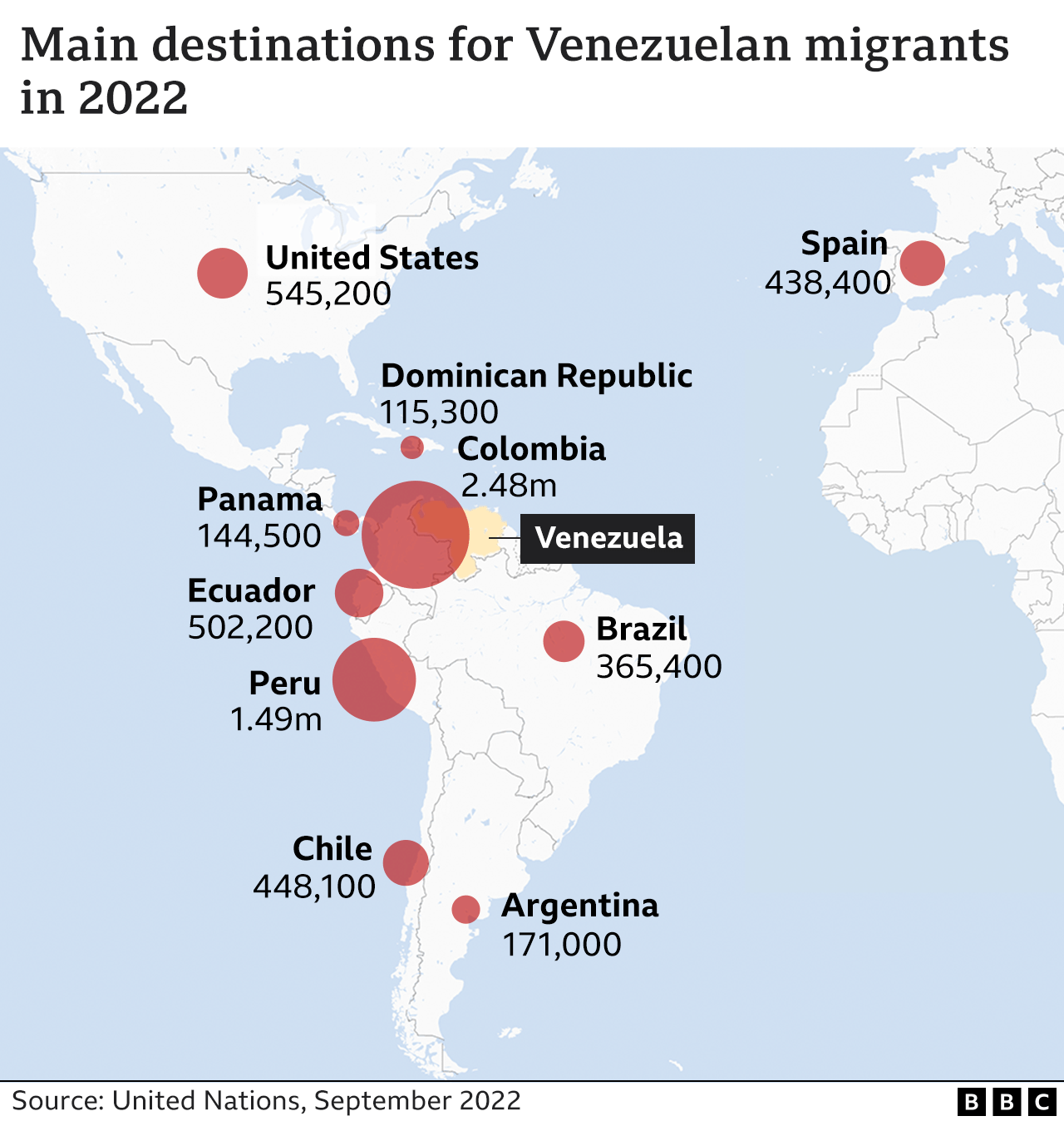
However, the reaction from Caracas suggests that the current Venezuelan diplomatic apparatus remains resistant to any framework that validates the “narcodictator” label or views the intervention of U.S. Forces as a legitimate catalyst for diplomacy. The result is a diplomatic stalemate where Chile sees a path forward through regime change, and Venezuela sees an insurmountable wall of “contempt” and “aggression” according to Cooperativa.
Key Points of Contention
| Issue | President José Antonio Kast (Chile) | Foreign Minister Yván Gil (Venezuela) |
|---|---|---|
| Prerequisite for Ties | Removal/capture of Nicolás Maduro | Cessation of “contempt” and attacks |
| View of Maduro | Labeled as a “narcodictador” | Defends state legitimacy against attacks |
| Immediate Goal | Restore consular ties and flights | Demands respect and serious diplomacy |
| Perception of Intent | Stabilization and repatriation | Domestic political “pose” for extremists |
As of April 7, 2026, Notice no scheduled diplomatic summits or official mediation efforts announced to bridge the gap between the two nations. The relationship remains strained, with Venezuela effectively discarding the possibility of normalization under the current Chilean administration’s terms.
We will continue to monitor official statements from the ministries of foreign affairs in both Santiago and Caracas for any updates on consular services or diplomatic breakthroughs. We invite our readers to share their perspectives on these regional tensions in the comments section below.
Keep reading