
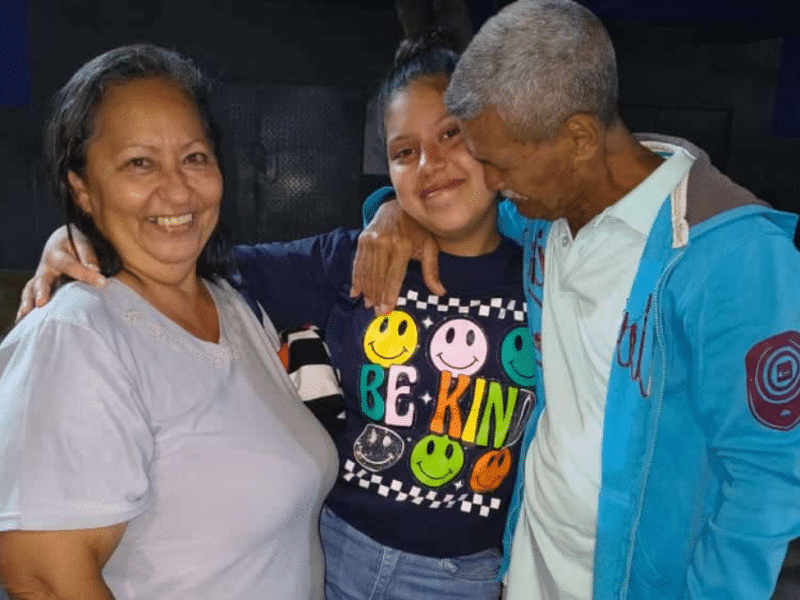
Venezuela Releases 16-Year-Old Samantha Hernández After 7-Month Detention
Caracas, Venezuela — May 19, 2026 Venezuela’s government has released 16-year-old Samantha Hernández and her 71-year-old grandmother Merys Torres de Sequeira after seven months in detention, marking a significant shift in a case that has drawn international condemnation. The release follows widespread criticism of the conditions of their imprisonment and questions about the legal basis for their detention under the country’s controversial Organization of American States (OAS) monitoring.
Officials confirmed the release on May 18, 2026, citing “humanitarian concerns” and the need to address the “unjustifiable detention” of minors. The move comes amid growing pressure from human rights organizations and diplomatic channels, including statements from the United Nations Human Rights Council and the Amnesty International.
The case has been widely described as an example of Sippenhaft—a German term for collective punishment where family members are detained or prosecuted for the actions of one individual. Samantha Hernández’s mother, identified by Venezuelan authorities as a “political dissident,” died in detention in March 2026, sparking outrage and calls for the immediate release of her daughter and grandmother.
Background: A Case of Controversial Detention
Samantha Hernández was arrested in October 2025 at the age of 16, along with her grandmother Merys Torres de Sequeira. Authorities initially stated that Samantha’s detention was related to her mother’s alleged involvement in “anti-government activities,” though no formal charges were ever filed against the teenager. Human rights advocates argue that the detention violated international law, particularly the Convention on the Rights of the Child, which prohibits the detention of minors without due process.
Merys Torres de Sequeira, 71, was also held without trial, raising concerns about the treatment of elderly individuals in Venezuela’s justice system. The lack of transparency surrounding the legal basis for their detention led to comparisons with other cases of arbitrary detention in Venezuela, where critics claim political motivations often underlie judicial actions.
“The detention of Samantha Hernández and her grandmother was a clear violation of international human rights standards. No child should ever be subjected to such conditions, and we welcome their release as a step toward justice.”
International Outcry and Diplomatic Pressure
The case gained significant attention after Samantha’s mother died in detention in March 2026. While Venezuelan authorities stated that her death was due to “natural causes,” human rights organizations demanded an independent investigation. The death of a detainee in custody is a serious violation of international standards, and the lack of transparency surrounding the circumstances further fueled global condemnation.
Diplomatic efforts to secure their release included statements from the U.S. State Department, which described the detention as “unconscionable,” and interventions by the Inter-American Commission on Human Rights (IACHR). The European Union also expressed concern, with officials calling for an end to the practice of detaining family members of perceived dissidents.
Despite these pressures, Venezuela’s government had previously resisted calls for their release, citing national security concerns. The sudden change in stance suggests that internal political calculations may have played a role in the decision.
What Happens Next?
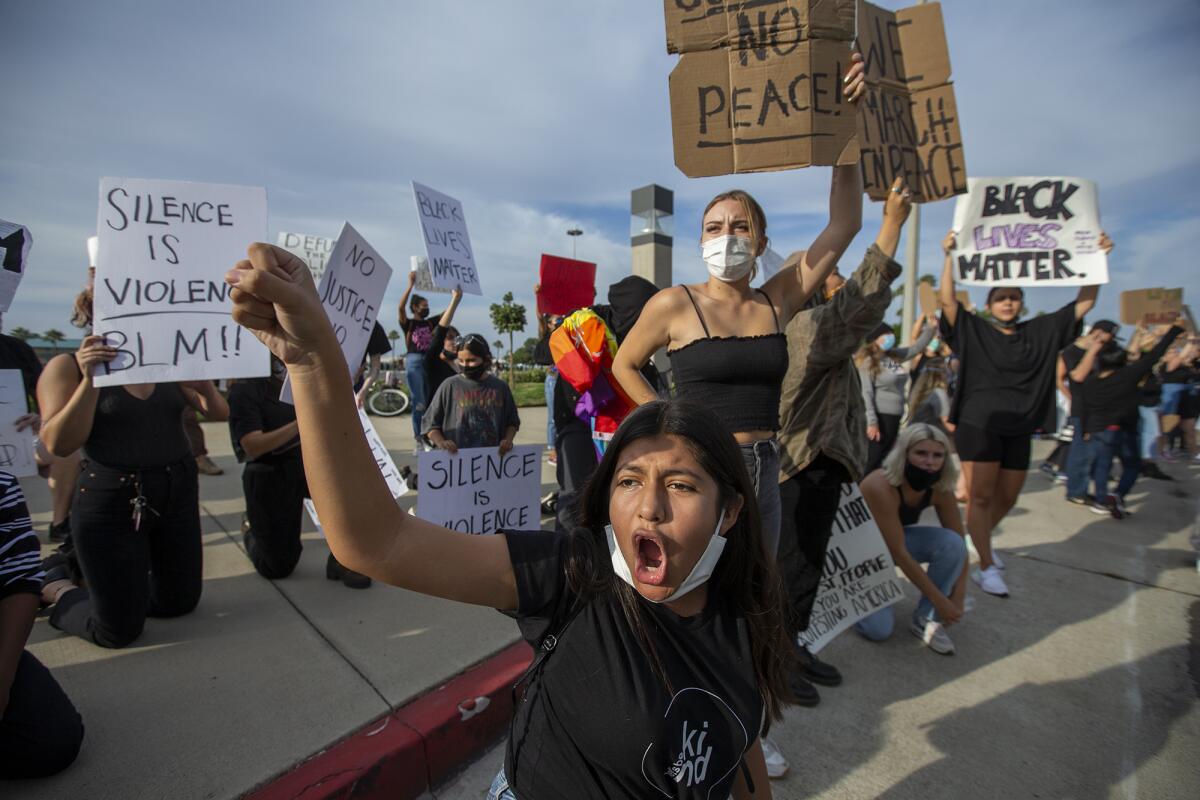
While Samantha Hernández and Merys Torres de Sequeira have been released, their case raises broader questions about Venezuela’s justice system and the treatment of minors and elderly individuals in detention. Human rights organizations are calling for:
- An independent investigation into the circumstances of Samantha’s mother’s death in detention.
- Reforms to Venezuela’s legal system to prevent arbitrary detentions, particularly of minors and family members of perceived dissidents.
- Transparency in all cases involving detention, including access to legal representation and fair trials.
Samantha Hernández’s legal representatives have indicated that she will seek compensation for the psychological and emotional harm caused by her detention. The case may also serve as a precedent for other families affected by similar circumstances in Venezuela.
Key Takeaways
- Release After Seven Months: Samantha Hernández and her grandmother were detained in October 2025 and released on May 18, 2026.
- International Condemnation: The case drew criticism from the UN, Amnesty International, and diplomatic channels worldwide.
- Sippenhaft Concerns: The detention was widely seen as an example of collective punishment, a practice condemned by human rights groups.
- Mother’s Death in Detention: Samantha’s mother died in March 2026, sparking renewed calls for her release.
- Unanswered Questions: The legal basis for their detention remains unclear, and no charges were ever filed against Samantha.
- Broader Implications: The case highlights ongoing concerns about arbitrary detention and due process in Venezuela.
What You Can Do:
Stay informed about developments in Venezuela’s justice system by following updates from:
Share this story to raise awareness about the rights of minors and families affected by detention. Your voice can help ensure that cases like this receive the attention they deserve.
Next Steps: The Venezuelan government has not yet announced whether it will provide further details about the legal proceedings that led to their detention or whether any accountability measures will be taken. The next official update is expected within the next 30 days, pending any further developments in the case.