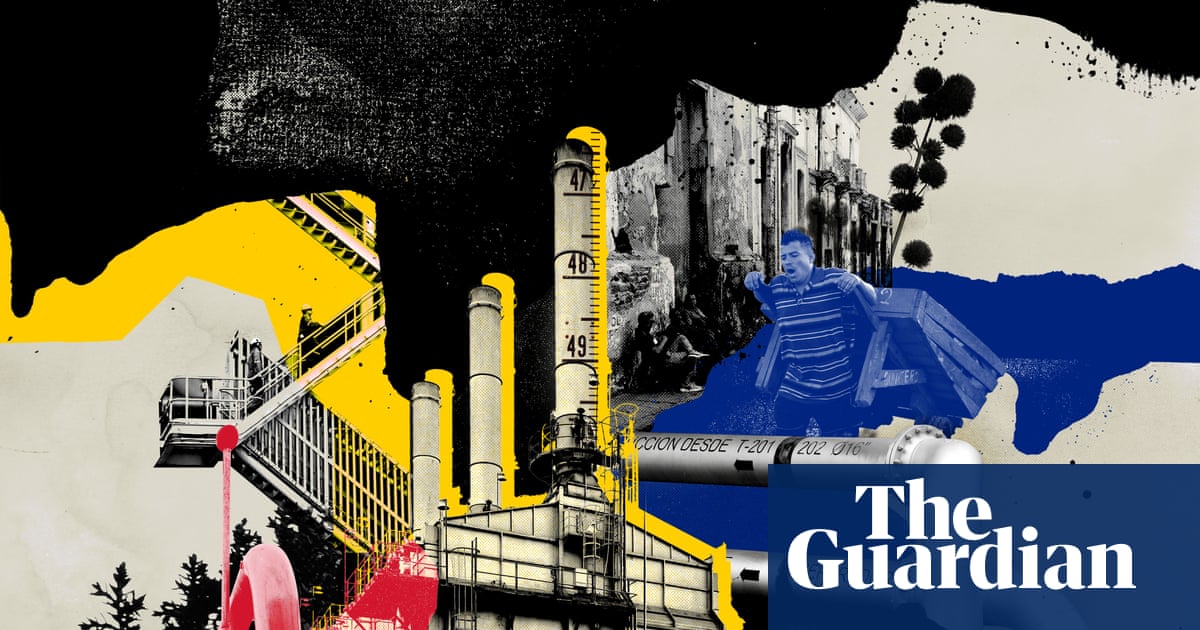
Venezuela’s Oil Industry: A Hopeful, Yet Crumbling, Revival
Amidst a backdrop of decaying infrastructure, power outages, and a shaky political landscape, a cautious optimism is taking root in Venezuela. Recent reforms to the nation’s hydrocarbons law, designed to attract foreign investment after two decades of nationalization, are fueling hopes for a resurgence of the oil industry – a sector once the cornerstone of the Venezuelan economy. But the path to recovery is fraught with challenges, as evidenced by the conditions at oil fields like Campo Boscán in western Venezuela, where aging equipment and security concerns paint a stark picture of neglect. The potential for a latest oil boom exists, but realizing it will require significant investment and a sustained commitment to improvement.
At Campo Boscán, a vast complex 40 kilometers (25 miles) from Maracaibo, the capital of Zulia state, the reality of Venezuela’s oil industry is on full display. Drilling technicians like Albenis Merchán, with 35 years of experience, navigate a landscape of broken roads, overgrown weeds, and wells protected by metal cages to prevent theft. Merchán recalls a time when maintenance and safety training were consistent, and supplies were readily available. “We used to receive maintenance and safety training all the time. Supplies and spare parts were never lacking. Many things need to improve here to tap the full potential of this area,” he says, reflecting a sentiment shared by many workers in the region. The field, discovered in 1945 by the Richmond Exploration Company, currently produces over 100,000 barrels of crude daily, contributing to Venezuela’s overall production of up to 1 million barrels per day.
A History of Nationalization and Foreign Investment
The current situation is a direct consequence of the nationalization of the energy industry under the late President Hugo Chávez in 2006. This move led to the departure of almost all large foreign companies from the country, resulting in a decline in investment, expertise, and production. However, the recent reforms signal a potential shift in policy, aiming to reverse this trend and encourage companies to return. These reforms are seen as a preliminary stage toward a new commercial relationship between the US and Venezuela, particularly after a period of strained relations under the Trump administration.
Chevron has remained a key player throughout this period. Since 2022, the company has controlled the Campo Boscán complex alongside the state oil company PDVSA through a joint venture called Petroboscán, with Chevron holding a 40% stake and PDVSA controlling the remaining 60%. This partnership is viewed as a test case for future collaborations and a potential catalyst for broader investment in Venezuela’s oil sector.
Challenges to Revival: Infrastructure and Economic Realities
Despite the potential for increased investment, significant hurdles remain. The crumbling infrastructure at Campo Boscán is emblematic of the broader challenges facing Venezuela’s oil industry. Roads are in disrepair, equipment is outdated, and security concerns are prevalent. These issues not only hinder production but also pose risks to workers. The need for substantial investment in maintenance, upgrades, and security is paramount.
Beyond the physical infrastructure, the economic realities facing Venezuelan workers add another layer of complexity. The country has experienced a period of severe economic decline, leading to hyperinflation and a de facto dollarized economy. Workers like Merchán hope that the reopening of the oil industry will lead to wages that align with the rising cost of living. “At Campo Boscán, among neighbouring farms where cows chew dry grass, Merchán looks to the future with high expectations. He and thousands of other Venezuelan workers hope the reopening will align their wages with expenses in a de facto dollarised economy where the population has grown abruptly poorer,” according to reports. The ability to provide fair wages and improve living standards for oil workers will be crucial for sustaining a long-term recovery.
The Global Context and Climate Concerns
The potential revival of Venezuela’s oil industry also occurs against the backdrop of a global energy landscape undergoing significant transformation. While the world continues to rely on fossil fuels, there is growing pressure to transition towards renewable energy sources to mitigate the effects of climate change. Venezuela’s vast oil reserves – the largest proven reserves in the world – present a complex dilemma. Exploiting these reserves could provide much-needed economic relief for the country, but it also raises concerns about contributing to global carbon emissions.

The International Energy Agency (IEA) has repeatedly emphasized the need for increased investment in renewable energy and a phasing out of fossil fuels to meet climate goals. The IEA’s reports highlight the urgency of reducing greenhouse gas emissions and transitioning to a sustainable energy system. Venezuela’s approach to its oil industry will likely be scrutinized by the international community, particularly regarding its commitment to environmental sustainability.
Political and Economic Implications
The reopening of Venezuela’s oil industry has significant political and economic implications, both domestically, and internationally. For the Maduro government, increased oil revenues could provide a much-needed boost to the economy and strengthen its position. However, the government’s shaky legitimacy and ongoing political challenges could deter some potential investors. The United States, which has previously imposed sanctions on Venezuela’s oil sector, is closely monitoring the situation. The Biden administration has signaled a willingness to engage with Venezuela, but any significant easing of sanctions is likely contingent on progress towards democratic reforms.
The potential return of other leading energy companies to Venezuela could reshape the global oil market. Venezuela’s vast reserves could increase global supply, potentially impacting oil prices. However, the extent of this impact will depend on the pace of investment, the efficiency of production, and the overall demand for oil. The situation is further complicated by geopolitical factors, such as the ongoing conflict in Ukraine and the evolving relationship between Saudi Arabia and Russia.
The future of Venezuela’s oil industry remains uncertain. While the recent reforms and the involvement of companies like Chevron offer a glimmer of hope, significant challenges must be overcome. Addressing the crumbling infrastructure, improving economic conditions for workers, and navigating the global energy transition will be crucial for realizing the potential of this once-thriving sector. The success of this endeavor will not only impact Venezuela’s economy but also have broader implications for the global energy landscape.
The next key development to watch will be the outcome of ongoing negotiations between the Venezuelan government and potential investors. Further details regarding the implementation of the new hydrocarbons law and the terms of investment agreements are expected to be announced in the coming months. The international community will also be closely monitoring the political situation in Venezuela and assessing the government’s commitment to democratic reforms.
What are your thoughts on Venezuela’s oil industry revival? Share your comments below and let us know what you consider. Don’t forget to share this article with your network!
Worth a look