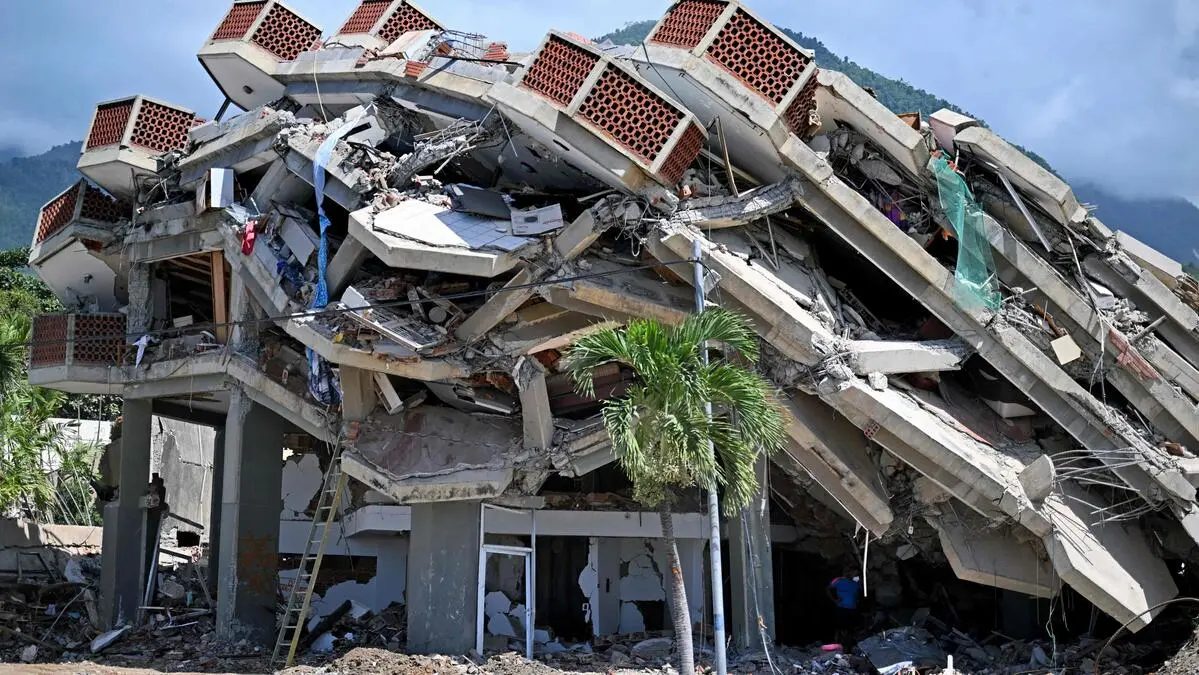
The Venezuelan government has formally requested $346 million in emergency financing from the International Monetary Fund (IMF) to address the humanitarian and economic impact of severe seismic activity in the country. According to reports confirmed by government officials, this request is part of a broader effort to secure international liquidity to manage infrastructure damage and public relief efforts following the disaster.
As the government navigates these challenges, the request underscores the complex relationship between Caracas and international financial institutions. While the IMF typically provides emergency assistance to member countries under its Rapid Financing Instrument (RFI), Venezuela’s access to such funds remains contingent on a variety of institutional and geopolitical factors, including the IMF’s recognition of the current administration’s legitimacy.
The Scope of the Financial Request
The request for $346 million represents a significant move by the administration to tap into global reserves during a period of acute domestic crisis. The funds are designated for reconstruction, medical aid, and the stabilization of essential services affected by the earthquakes. According to the IMF’s official guidelines on the Rapid Financing Instrument, such funding is designed to provide rapid assistance to member countries facing urgent balance-of-payments needs, including those caused by natural disasters.
However, the disbursement of these funds is not automatic. The IMF requires a transparent assessment of a country’s economic data and, crucially, a clear consensus among its member nations regarding the government’s official standing. In recent years, the IMF has faced internal hurdles regarding the recognition of leadership in Caracas, which has historically complicated the approval of financial assistance packages.
Economic Context and Institutional Challenges
Venezuela has been grappling with years of hyperinflation, a shrinking GDP, and limited access to international credit markets. The addition of natural disaster relief to an already strained national budget highlights the severity of the country’s economic position. Economists note that while the $346 million figure is intended to provide immediate relief, it is relatively small compared to the total estimated cost of structural damage following major seismic events.
The World Bank and other international organizations often emphasize that disaster-related financing requires robust oversight to ensure funds reach affected populations. Given the existing sanctions regime and the lack of standardized economic reporting from the Venezuelan Central Bank, international lenders remain cautious. The process of auditing how these funds would be deployed is a frequent point of contention in negotiations between the Venezuelan government and multilateral organizations.
Humanitarian Impact and Recovery Efforts
Beyond the financial negotiations, the immediate priority for the Venezuelan government remains the coordination of emergency services. Seismic activity in the region has historically placed immense pressure on the country’s aging infrastructure, including its power grid and water supply systems. The government’s appeal for funds is framed as a necessity to prevent further deterioration of these systems, which are essential for public health and safety.
International aid organizations often work alongside local authorities to provide supplies, but the scale of the reconstruction required following a major earthquake typically necessitates large-scale capital investment. Whether the IMF or other international entities will facilitate this request depends on the alignment of humanitarian necessity with the specific governance and reporting requirements stipulated by the IMF’s Articles of Agreement.
Future Checkpoints and Official Updates
The status of this request remains subject to ongoing diplomatic and technical discussions. Stakeholders and international observers are monitoring the IMF’s Board of Governors for any official statements regarding the application. The next confirmed step in this process would be an official announcement from the IMF regarding the outcome of the evaluation of Venezuela’s eligibility for the requested funds.
For official updates, interested parties should monitor the IMF Press Center and official statements from the Venezuelan Ministry of Economy and Finance. We invite our readers to share their perspectives on the role of international financial aid in disaster recovery in the comments section below.
Keep reading