
The death toll following the seismic activity in Venezuela has risen to 164 people, according to the latest official updates from local authorities as rescue operations continue across the affected regions. The country, already grappling with complex socio-economic challenges, is now managing the aftermath of back-to-back tremors that have caused widespread structural damage and displaced thousands of residents. International aid organizations and foreign governments have begun mobilizing resources to support the ongoing search and rescue efforts, which remain the primary focus of the Venezuelan civil defense agencies.
As the Editor of the World section at World Today Journal, I have been monitoring the situation closely. While initial reports provided varying figures regarding casualties and injuries, the United States Geological Survey (USGS) and local disaster management teams are working to coordinate accurate data collection in hard-to-reach areas. The scale of the humanitarian response is significant, with global powers acknowledging the urgent need for medical supplies, temporary housing, and infrastructure repair equipment.
Scale of the Humanitarian Impact and Current Casualties
The total number of confirmed fatalities has reached 164, a figure that officials warn may fluctuate as search teams navigate the debris of collapsed buildings and remote communities. Beyond the loss of life, the International Federation of Red Cross and Red Crescent Societies has reported that hundreds of individuals have sustained injuries, ranging from minor trauma to life-threatening conditions. The dual nature of the seismic events—often described as “twin quakes”—has complicated the structural integrity of buildings that were already vulnerable.
The government of Venezuela has declared a state of emergency in the most heavily impacted provinces to streamline the delivery of resources. Local hospitals are currently operating at near-capacity, struggling to manage the influx of patients while simultaneously dealing with power outages and limited water supply. Coordination with the United Nations Office for the Coordination of Humanitarian Affairs (OCHA) is currently underway to ensure that aid reaches the most isolated populations, where communication lines remain unstable.
International Response and Diplomatic Coordination
The international community has responded to the crisis with offers of humanitarian assistance, signaling a rare moment of diplomatic alignment. According to statements released by the U.S. Department of State, the United States is coordinating with international partners to provide emergency relief, including food, medical kits, and sanitation supplies. Simultaneously, the Chinese Ministry of Foreign Affairs has confirmed it is preparing to dispatch specialized rescue teams and structural engineers to assist in the recovery phase, emphasizing the global nature of the emergency response.
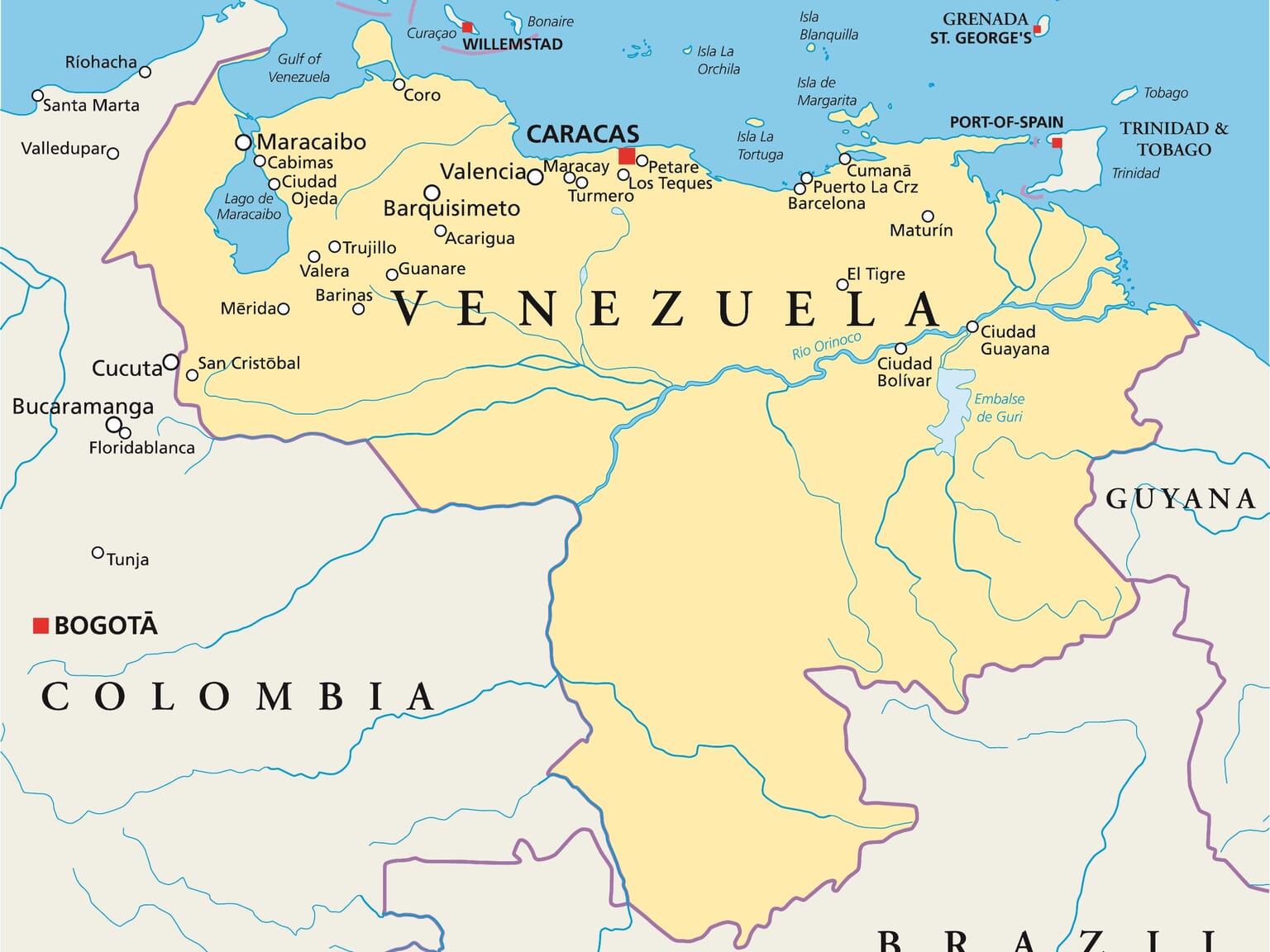
For those concerned about the safety of foreign nationals in the region, various embassies have issued consular advisories. The Indonesian Ministry of Foreign Affairs, for instance, has confirmed that all registered Indonesian citizens in the affected areas are accounted for and currently safe, according to reports verified by the Ministry’s official portal. Similar status checks are being conducted by other diplomatic missions, as they work to establish contact with their respective citizens in the field.
Why This Seismic Event Poses Unique Challenges
The severity of the impact is largely attributed to the region’s existing infrastructure fragility. Geologists note that while the magnitude of the earthquakes was significant, the secondary effects—such as landslides and the failure of older construction—have exacerbated the death toll. The “twin quake” phenomenon, where a large tremor is followed by a secondary event of similar or greater intensity, often prevents emergency responders from safely entering disaster zones, as the risk of building collapse remains high for several days.
Looking ahead, the focus will shift from immediate search and rescue to long-term recovery and environmental assessment. Experts from the Economic Commission for Latin America and the Caribbean (ECLAC) are expected to begin evaluating the economic impact on local industries, particularly agriculture and small-scale trade, which form the backbone of the affected provinces. The path to restoration will require sustained international funding and a stable political environment to allow for the reconstruction of essential services.
Next Steps and Official Updates
The Venezuelan National Institute of Seismology (FUNVISIS) is expected to release a comprehensive technical report regarding the seismic activity within the next 48 hours. This report will be critical for urban planners and engineers as they determine which structures are safe for habitation and which require demolition. Residents in the affected regions are advised to monitor official channels and adhere to local government guidance regarding temporary shelters.
We will continue to provide updates as more verified information becomes available from official sources. Please share your thoughts in the comments section below or follow our coverage for ongoing developments as we track the recovery efforts in Venezuela.