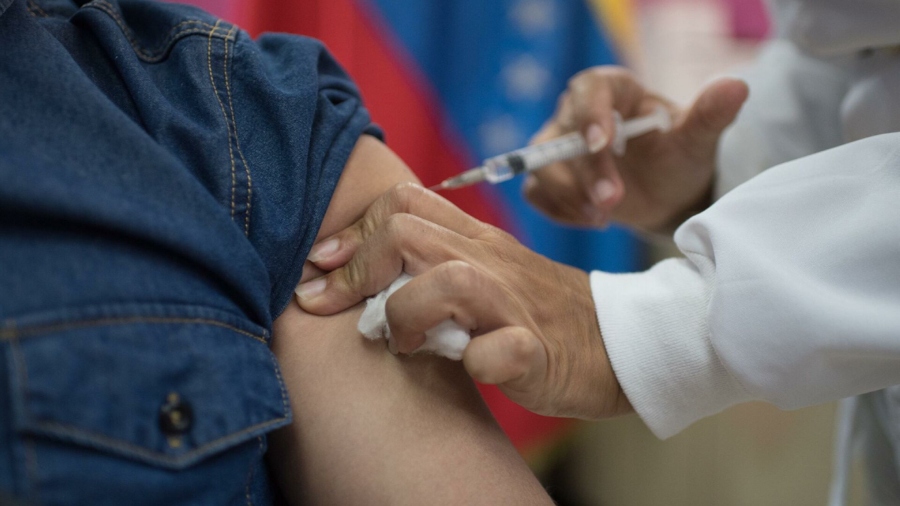
Caracas, Venezuela – Health officials in Venezuela are maintaining a strict epidemiological watch for yellow fever, reporting seven confirmed cases so far in 2026. While acknowledging recent deaths from the disease in 2025, authorities are emphasizing preventative measures and aiming for a 95% vaccination coverage rate nationwide to avoid public alarm. This comes as the country remains on epidemiological alert, a response aligned with transparency protocols established by the government.
The focus on prevention, rather than disseminating potentially alarming statistics, reflects a strategy to manage public perception while actively combating the spread of the mosquito-borne virus. Yellow fever, a viral hemorrhagic disease, poses a significant public health risk, particularly in tropical regions of Africa and South America. Effective vaccination is considered the primary means of control, and Venezuela’s current efforts are centered on bolstering immunization rates.
Recent Yellow Fever Activity in Venezuela
Venezuela experienced a period of increased yellow fever cases beginning in mid-2025, with 36 cases reported between June 2025 and February 27, 2026, according to Vice President Isabel Iturria. A significant proportion – 75% – of these cases occurred in individuals aged between 10 and 49 years. Health Minister Nuramy Gutiérrez confirmed that there were “some deaths” in 2025, but refrained from releasing specific numbers, citing concerns about triggering panic among the population. This approach, while intended to maintain calm, highlights the delicate balance between public health communication and managing societal anxieties.
As of March 11, 2026, seven positive cases have been detected this year. Minister Gutiérrez stressed that prioritizing prevention is key, stating, “More than announcing these data, we prefer to insist on the prevention of the disease.” The Ministry of Health has identified four states – Aragua, Barinas, Lara, and Portuguesa – as priority areas for intervention, focusing on 22 parishes within these regions.
Understanding Yellow Fever and its Prevention
Yellow fever is transmitted to humans through the bite of infected mosquitoes – primarily Aedes and Haemagogus species. Symptoms typically include fever, headache, muscle pain, nausea, vomiting, and fatigue. In severe cases, the disease can progress to a more toxic phase, leading to jaundice (hence the name “yellow fever”), bleeding, organ failure, and death. The World Health Organization (WHO) estimates that yellow fever causes approximately 30,000 deaths annually worldwide.
Vaccination is the most effective way to prevent yellow fever. A single dose of the yellow fever vaccine provides lifelong immunity for most individuals. The vaccine is safe and effective, and is recommended for people traveling to or living in areas with a risk of yellow fever transmission. Venezuelan health officials are currently recommending vaccination for individuals aged 1 to 59 years.
National Vaccination Campaign and Ongoing Efforts
The current vaccination campaign in Venezuela builds upon previous efforts, with approximately three million Venezuelans already vaccinated in the preceding decade. Recently, an additional 49,000 people have been immunized, bringing the total number of vaccinated individuals to over 3.049 million. The goal is to reach a 95% vaccination coverage rate across the entire country, a target that requires sustained effort and widespread participation.
To facilitate access to vaccination, authorities are considering establishing vaccination points at international airports, particularly as tourist flows increase. This proactive measure aims to protect both residents and visitors from the risk of contracting yellow fever. The Ministry of Health is likewise collaborating with local health authorities to ensure that vaccination services are readily available in prioritized parishes.
Minister Gutiérrez emphasized the importance of transparency and adherence to established protocols, stating that the epidemiological alert is a response to directives from Vice President Delcy Rodríguez. This commitment to open communication is intended to build public trust and encourage participation in the vaccination campaign.
The Broader Context of Yellow Fever in the Americas
While Venezuela is actively addressing the current situation, yellow fever remains a concern throughout the Americas. Outbreaks have occurred in Brazil, Colombia, and Peru in recent years, highlighting the need for ongoing surveillance and vaccination efforts across the region. The Pan American Health Organization (PAHO) plays a crucial role in coordinating regional responses to yellow fever, providing technical assistance and supporting vaccination campaigns.
The risk of yellow fever transmission is influenced by factors such as climate change, deforestation, and urbanization, which can alter mosquito habitats and increase human-mosquito contact. Effective vector control measures, including mosquito spraying and eliminating breeding sites, are also essential components of a comprehensive yellow fever prevention strategy.
The situation in Venezuela underscores the importance of proactive public health measures, particularly in regions where yellow fever is endemic or poses a risk of outbreaks. By prioritizing vaccination, strengthening surveillance systems, and promoting community engagement, Venezuela aims to protect its population and prevent the spread of this potentially deadly disease.
The Ministry of Health will continue to monitor the situation closely and provide regular updates to the public. The next official update is expected in early April, following a review of vaccination coverage rates and epidemiological data. Individuals are encouraged to consult with their healthcare providers for more information about yellow fever vaccination and prevention.
Have your say: What steps do you think are most important for preventing the spread of yellow fever? Share your thoughts in the comments below, and please share this article with your network to raise awareness about this important public health issue.
Keep reading