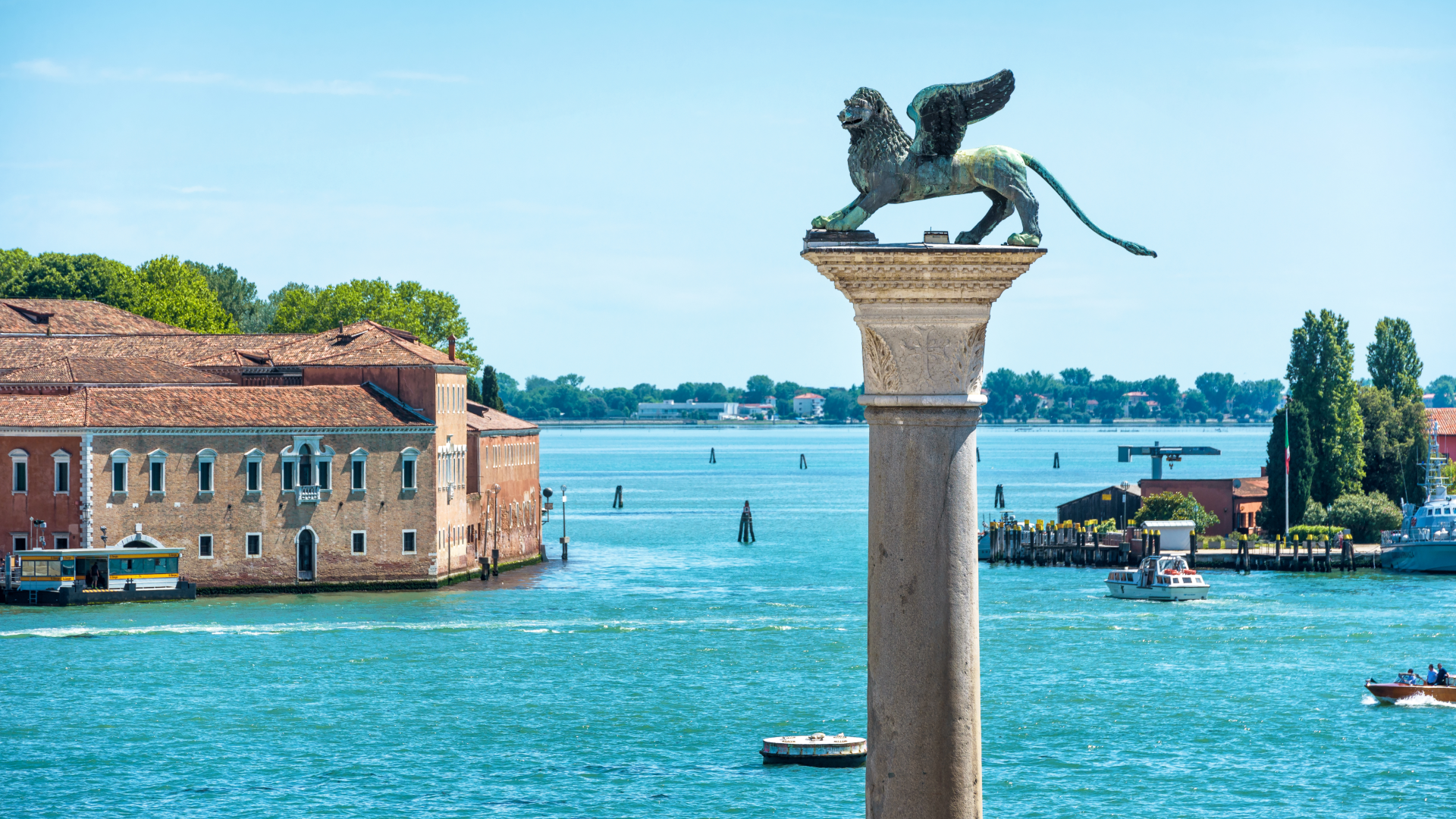
The Lion of venice: A Surprising Link to Kublai Khan and the silk Road?
A centuries-old mystery surrounding the iconic winged lion of Venice – a symbol deeply woven into the city’s identity – may have a surprising origin: the bustling courts of 13th-century China. recent research suggests the statue isn’t purely a product of Venetian artistry, but possibly a repurposed Chinese tomb guardian brought back via the Silk Road by the famed Polo family.
For generations, the lion has represented Venice’s maritime power and its connection to St. Mark the evangelist, the city’s patron saint. But a closer look reveals intriguing details that challenge this long-held belief.
Unearthing the Clues: A Lion with Eastern Roots
The investigation began with a detailed analysis of the statue’s composition. Researchers noticed striking similarities between the venetian lion and zhènmùshòu - monumental “tomb guardians” prevalent in Tang Dynasty China (618-907 AD). These statues typically featured a fascinating blend of animalistic and mythical features.
hear’s what caught the researchers’ attention:
Lion-like features: The statue possesses a distinct lion’s muzzle and mane.
Hybrid characteristics: Pointed ears, remnants suggesting horns, and potential wing attachments echo the zhènmùshòu design.
Metal ”scars”: Evidence indicates horns were once present but removed, a common practice with these statues over time.
these observations led researchers to consider a fascinating possibility: could the Venetian lion have originated far to the east?
The Polos and the Silk Road Connection
Enter Niccolò and Maffeo Polo, father and uncle of the legendary Marco Polo. These Venetian merchants were pioneers of trade along the Silk Road, establishing posts and spending four years within the court of Kublai Khan in Beijing during the 13th century.It’s during this period that the connection becomes compelling. The researchers propose the Polos may have encountered a zhènmùshòu statue that, to their eyes, resembled a lion. Recognizing the potential for a powerful symbol, they may have envisioned adapting it for Venice.
From Tomb Guardian to Venetian Icon
The Republic of Venice was actively solidifying its identity and projecting its power during this era.The winged lion, resting on water and holding the Gospel of St. Mark, became the perfect emblem of Venetian dominance over the seas. It appeared on flags, official documents, and throughout the city.
the theory suggests the Polos shipped the statue - likely in pieces – back to Venice. A local metalworker then skillfully reassembled and modified it, transforming the Chinese guardian into the recognizable winged lion we know today.
As the researchers note, this was a “somewhat brazen idea” – but a potentially effective one in spreading the Republic’s new symbol.
A Hypothesis, Not a Certainty
It’s crucial to remember this remains a compelling hypothesis, built on a convergence of past and archaeometallurgical data. The researchers themselves acknowledge the need for further investigation.
“The word now goes back to the historians,” they conclude.This revelation highlights the interconnectedness of cultures throughout history. It also demonstrates how symbols can evolve, taking on new meanings and reflecting the ambitions of those who adopt them. The story of the Lion of Venice serves as a potent reminder that even the most familiar icons can harbor surprising secrets, waiting to be unearthed.
Resources for Further Exploration:
Zhenmushou Tomb Guardian
The Mongol Empire
Symbolism of the Venetian Lion
* Medieval Knight ‘Lancelot’ and his stunning stone tomb found under ice cream shop in Poland