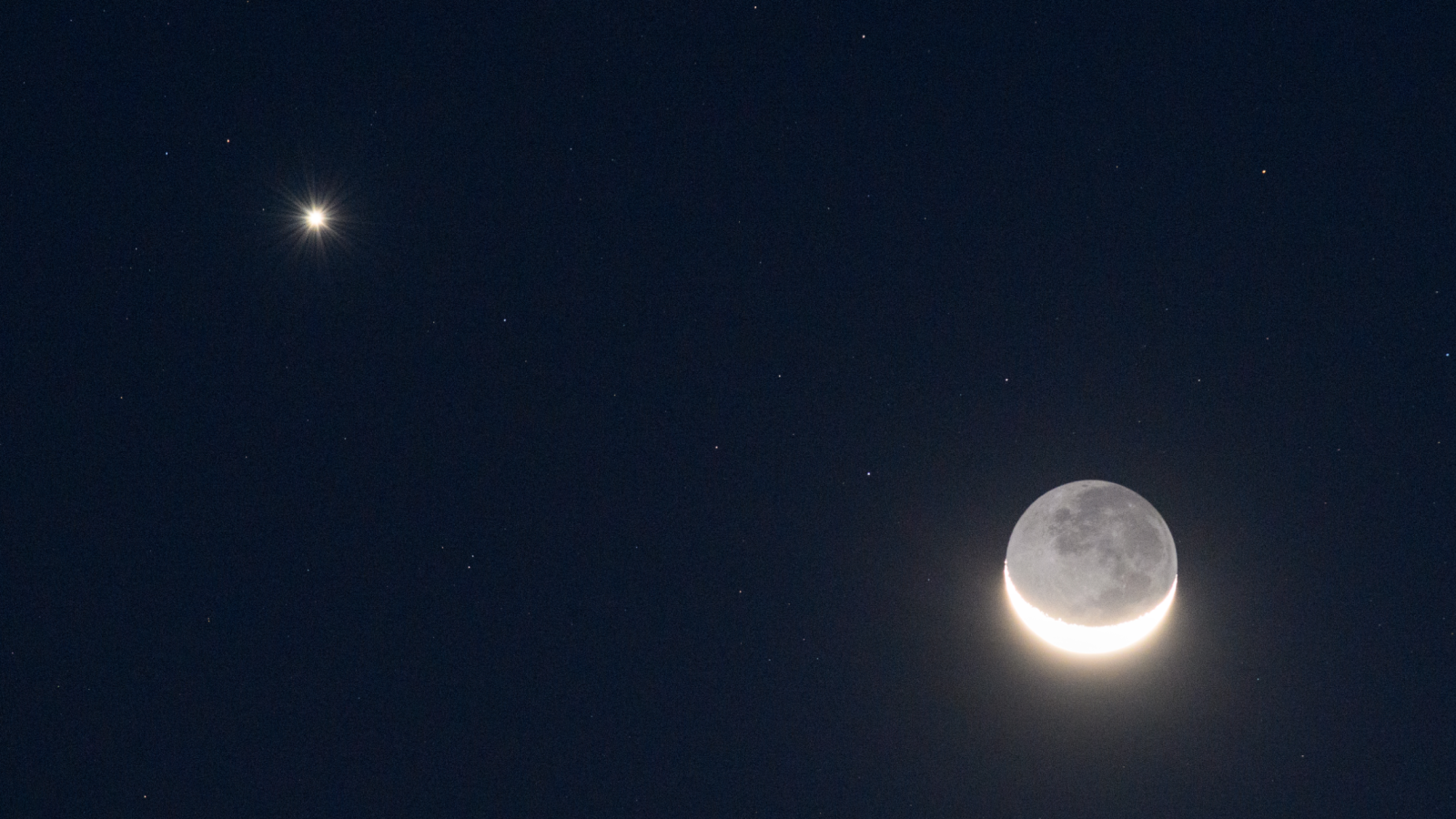
Why Venus Shines So Brightly in Our Sky
Have you ever wondered why Venus often appears as the brightest “star” in the evening or morning sky? It’s a question that has fascinated skywatchers for centuries,and the answer is a gorgeous interplay of several factors. Let’s explore what makes our planetary neighbor so remarkably luminous.
A Highly Reflective World
First and foremost,Venus possesses a remarkably reflective cloud cover. These clouds,composed primarily of sulfuric acid,bounce approximately 70% of the sunlight that reaches the planet back into space.This is a significantly higher reflectivity – known as albedo – than Earth’s, wich reflects only about 30%. I’ve found that this high albedo is the biggest contributor to Venus’s brilliance.
Proximity matters
Distance plays a crucial role, too. Venus is Earth’s closest planetary neighbor. When Venus is at its closest point to Earth – a phenomenon called inferior conjunction – it appears exceptionally radiant. You’ll notice it’s much more dazzling than distant planets like mars or Jupiter.
Phases of Venus: Just Like the Moon
Interestingly, Venus exhibits phases, much like our moon. As it orbits the sun, the amount of its illuminated surface visible from Earth changes.When Venus is a crescent,it’s closer to Earth and appears brighter,even though less of its surface is lit.This might seem counterintuitive, but the closer proximity outweighs the smaller illuminated area.
Brightness Variations
The brightness of Venus isn’t constant. It fluctuates between magnitudes of -4.92 and -2.98. These variations are due to a combination of factors:
* Albedo changes: Subtle shifts in the cloud cover affect reflectivity.
* Distance from Earth: As Venus orbits, its distance varies.
* Phases: The amount of illuminated surface visible from Earth changes.
Despite these fluctuations, venus remains consistently bright enough to be seen with the naked eye for much of the year, even in light-polluted urban areas. Here’s what makes it special: it’s frequently enough visible just before sunrise or after sunset, earning it the nicknames “Morning star” and “Evening Star.”
Daytime Visibility
On occasion, Venus can even be spotted during the daytime! If the sky is clear and Venus is sufficiently bright and well-positioned, it appears as a brilliant speck near the crescent moon. It’s a truly stunning sight,and a testament to the planet’s astounding luminosity.
Want to test your knowledge of our solar system? Take our Solar System Quiz and see how well you know our cosmic neighborhood!