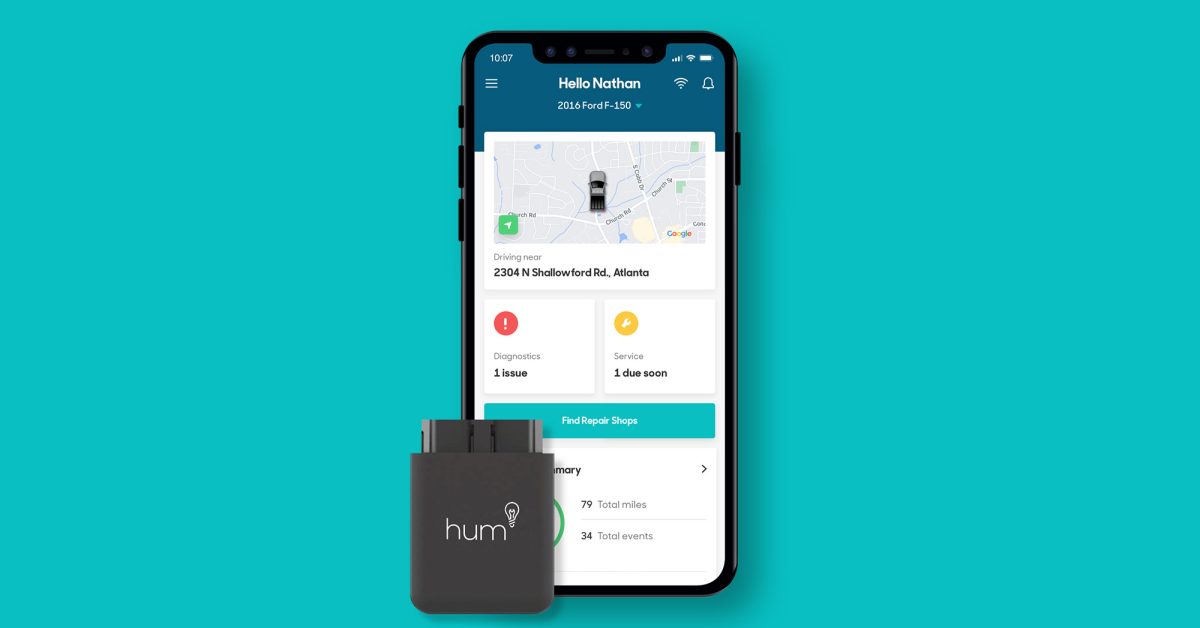
the Sunset of verizon Hum: A Comprehensive Guide to the Connected Car Service’s Discontinuation & Alternatives
The automotive landscape is rapidly evolving, and with it, the services designed to enhance the driving experiance. Recently, Verizon announced the discontinuation of its Hum by Verizon service, effective December 31, 2025. This news impacts a critically important number of vehicle owners who relied on Hum for diagnostics, roadside assistance, and vehicle tracking. This article provides an in-depth look at the reasons behind this decision, what it means for current users, and explores viable alternatives for maintaining connected car functionality.We’ll delve into the technical aspects of OBD-II devices, the competitive landscape, and offer practical advice for navigating this transition.
Understanding Hum by Verizon: Features and Functionality
Hum, launched several years ago, was an On-Board Diagnostics (OBD-II) device that plugged into a vehicle’s diagnostic port. This port, standard in most cars manufactured after 1996, provides access to a wealth of vehicle data. Hum leveraged this data to offer a suite of services delivered through a mobile application. Key features included:
* Vehicle Diagnostics: Real-time monitoring of engine health, identifying potential issues before they escalate. This included reading and interpreting diagnostic trouble codes (DTCs).
* Maintenance Reminders: Proactive alerts for scheduled maintenance based on mileage and vehicle manufacturer recommendations.
* Roadside Assistance: Direct access to 24/7 roadside assistance services, including towing, jump starts, and tire changes.
* Vehicle location & Tracking: GPS-based tracking of the vehicle’s location, useful for security and fleet management.
* WiFi Hotspot: Some Hum plans included a mobile WiFi hotspot, allowing passengers to connect devices to the internet.
* Crash Detection & Response: Automatic crash detection with emergency service dispatch.
The service operated on a subscription model, with varying tiers offering different levels of functionality. While convenient, the recurring monthly fee was a point of contention for some users.
Why is Verizon Discontinuing Hum? Analyzing the Factors
The decision to discontinue Hum wasn’t made lightly. Several factors likely contributed to this outcome:
* market competition: The connected car market is increasingly crowded,with offerings from automakers themselves (integrated telematics systems),dedicated connected car companies like T-Mobile’s SyncUp Drive,and emerging players offering specialized services.
* Profitability Challenges: Maintaining a dedicated infrastructure for a relatively niche service can be expensive. Subscriber growth may not have met Verizon’s expectations, impacting profitability.
* Shifting Industry Focus: Verizon is likely refocusing its resources on core telecommunications services and expanding its 5G network.
* Automaker Integration: Many new vehicles now come equipped with built-in connected car features, reducing the demand for aftermarket solutions like Hum. These integrated systems often offer similar functionality, directly from the manufacturer.
* Technological Advancements: The evolution of telematics and vehicle data access is rapidly changing. Verizon may be reassessing its strategy to align with these advancements.
The Current Situation: Sales and Existing Contracts
Perhaps the most concerning aspect of this announcement is that Verizon continued to sell Hum devices, even offering financing options with 36-month contracts, despite knowing the service would be discontinued in less than two years. This practice has drawn criticism from consumer advocates and current Hum subscribers. Verizon has acknowledged the issue and is offering limited support to affected customers, but the situation remains frustrating for those who recently purchased the device.
Here’s a quick comparison of hum by Verizon and T-Mobile SyncUp Drive:
| Feature | hum by Verizon (Discontinued 12/31/2025) | T-Mobile SyncUp Drive |
|---|---|---|
| Vehicle Diagnostics | Yes
|