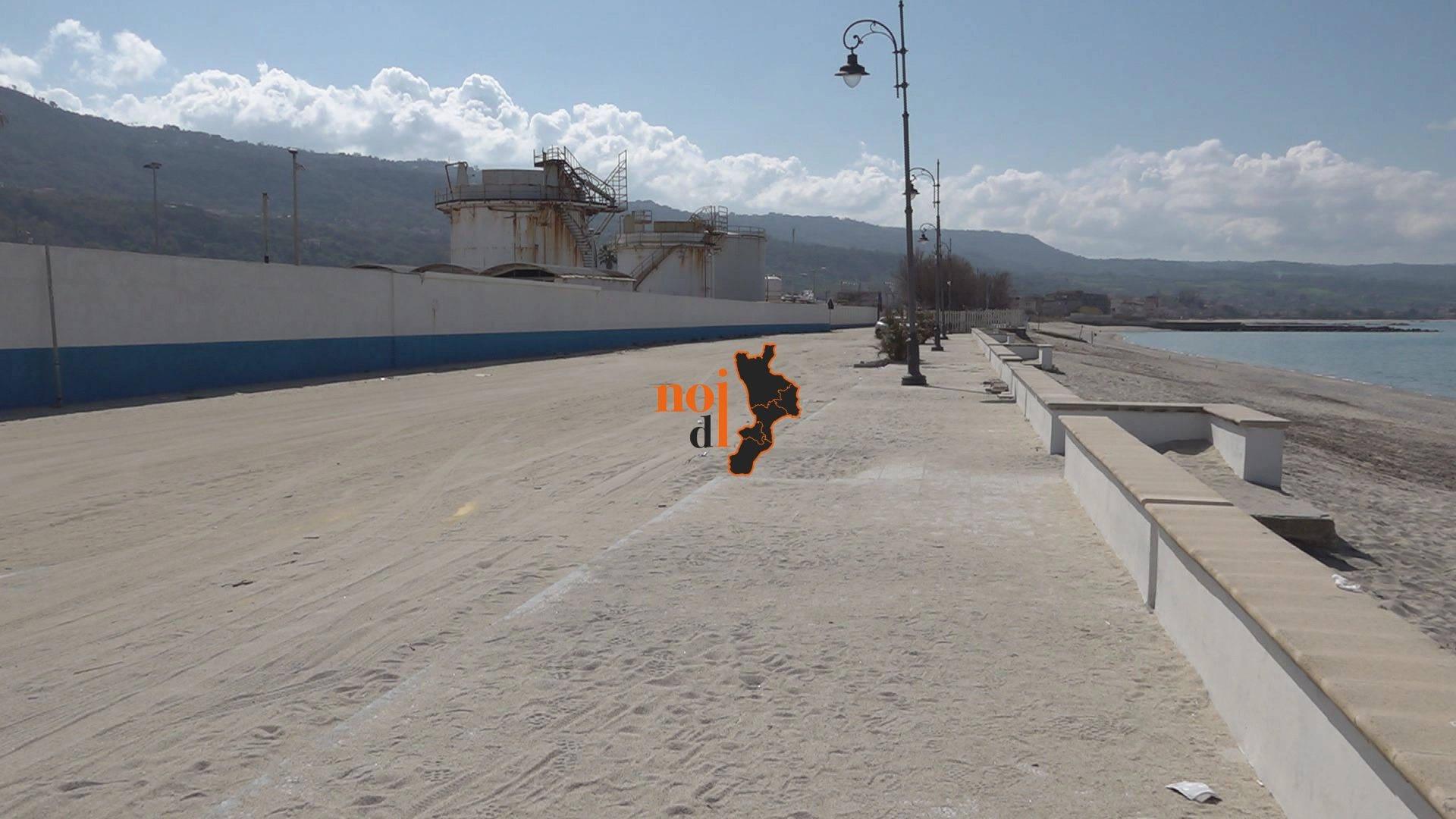
Vibo Marina, a coastal town in the Calabria region of Italy, continues to grapple with the aftermath of severe winter storms that struck nearly a month ago. Streets remain partially blocked by substantial deposits of sand, disrupting daily life and raising concerns about the upcoming tourist season. The situation, described by residents as a recurring problem, highlights issues of bureaucratic delays and a lack of clear responsibility between local and port authorities.
The current predicament centers on Via Vespucci and Via Emilia, two streets heavily impacted by the sand accumulation. The scale of the problem is significant, with “tonnellates di sabbia” – tons of sand – covering the roadways, creating hazardous conditions for drivers and pedestrians alike. The buildup is not merely an inconvenience. it’s generating clouds of dust as vehicles attempt to navigate the debris, impacting air quality and exacerbating respiratory issues for residents. This isn’t a new phenomenon, with a similar situation occurring in December 2019, paralyzing the area for six months.
Recurring Problem, Shifting Responsibility
The root of the issue lies in a complex web of jurisdictional responsibilities. According to Marco Miceli, the local Assessor for the Environment, the area surrounding Via Vespucci, which borders the Meridionale Petroli depot, falls under the jurisdiction of the national port authority. Miceli stated that the Capitaneria di Porto (Coast Guard) has urged the Autorità di Sistema Portuale (Port System Authority) to undertake the necessary cleanup operations. Although, the process is complicated by the need to characterize the sand and dispose of it according to environmental regulations.
Mayor Enzo Romeo acknowledges the substantial cost of the intervention and the ongoing search for funding to expedite the process. The 2019 incident required an emergency allocation of over €30,000 (approximately $32,500 USD as of March 12, 2026) after the initial waste collection contract failed mid-operation. The cleanup then took until mid-June to complete. The current situation is prompting fears that the timeline could be similarly protracted, potentially jeopardizing the crucial summer tourism season.
Citizen Frustration and Online Mobilization
The delays and perceived inaction have ignited widespread frustration among Vibo Marina residents. The anger is particularly visible on the Facebook page “Sei del Pennello di Vibo Marina se…,” where locals are documenting the situation with photos and comments, transforming their dismay into a digital protest. Reports indicate that residents view the sand accumulation not just as a natural disaster consequence, but as a tangible sign of ineffective territory management.
The sentiment expressed online centers on a sense of powerlessness and a recurring pattern of blame-shifting between the municipality and the port authority. While Mayor Romeo has admitted to the complexity and high cost of the required interventions, residents argue that explanations are insufficient. The situation evokes a sense of déjà vu, with the current crisis mirroring the challenges faced in 2019, raising concerns about a lack of long-term solutions.
Visual Documentation of the Crisis
A video circulating online, titled “SOS Vibo Marina,” visually demonstrates the extent of the damage. The footage shows streets completely covered in sand and a severely damaged coastline, underscoring the critical conditions facing the town. The video highlights the impact of cyclones Harry and Ulrich, which contributed to the severe weather conditions that led to the current situation.
Economic Impact and Tourism Concerns
The disruption caused by the sand accumulation extends beyond mere inconvenience; it poses a significant threat to the local economy, particularly the tourism sector. Vibo Marina relies heavily on seasonal tourism, and the current state of the town risks deterring visitors. The image of a “cantiere polveroso e impraticabile” – a dusty and impassable construction site – is hardly conducive to attracting tourists. The potential loss of revenue could have far-reaching consequences for local businesses and employment.
The lack of progress in addressing the issue is fueling anxieties about the upcoming summer season. Operators in the tourism industry are particularly concerned, fearing that the prolonged cleanup efforts will prevent them from preparing for the influx of visitors. The situation underscores the need for a coordinated and efficient response to mitigate the economic impact of the disaster.
The 2019 Precedent and Lessons Unlearned
The parallels between the current crisis and the 2019 incident are striking. In both cases, the invasion of sand paralyzed the area for an extended period. The previous cleanup took six months to complete, and the current delays raise the specter of a similarly protracted resolution. This suggests a systemic failure to address the underlying causes of the problem and implement effective preventative measures.
The 2019 experience also revealed challenges related to bureaucratic procedures, the need for material characterization, and the reliability of contracted services. The failure of the initial waste collection company further complicated the cleanup process, highlighting the importance of robust contract management and contingency planning.
The situation in Vibo Marina serves as a stark reminder of the vulnerability of coastal communities to extreme weather events and the critical need for proactive disaster preparedness. The ongoing delays and the lack of a clear resolution underscore the importance of effective coordination between local and national authorities, as well as a commitment to long-term solutions that address the root causes of the problem.
As of March 12, 2026, the Autorità di Sistema Portuale has not released a detailed timeline for the cleanup operation. Residents and local businesses are awaiting further updates from the authorities regarding the progress of the remediation efforts. The next official communication is expected following a meeting between municipal and port officials scheduled for March 19, 2026.
We encourage readers to share their thoughts and experiences in the comments section below. Your insights are valuable as we continue to follow this developing story.
Keep reading