
Reproductive Rights Behind Bars: How a New Guide Aims to End Injustices for Incarcerated Women
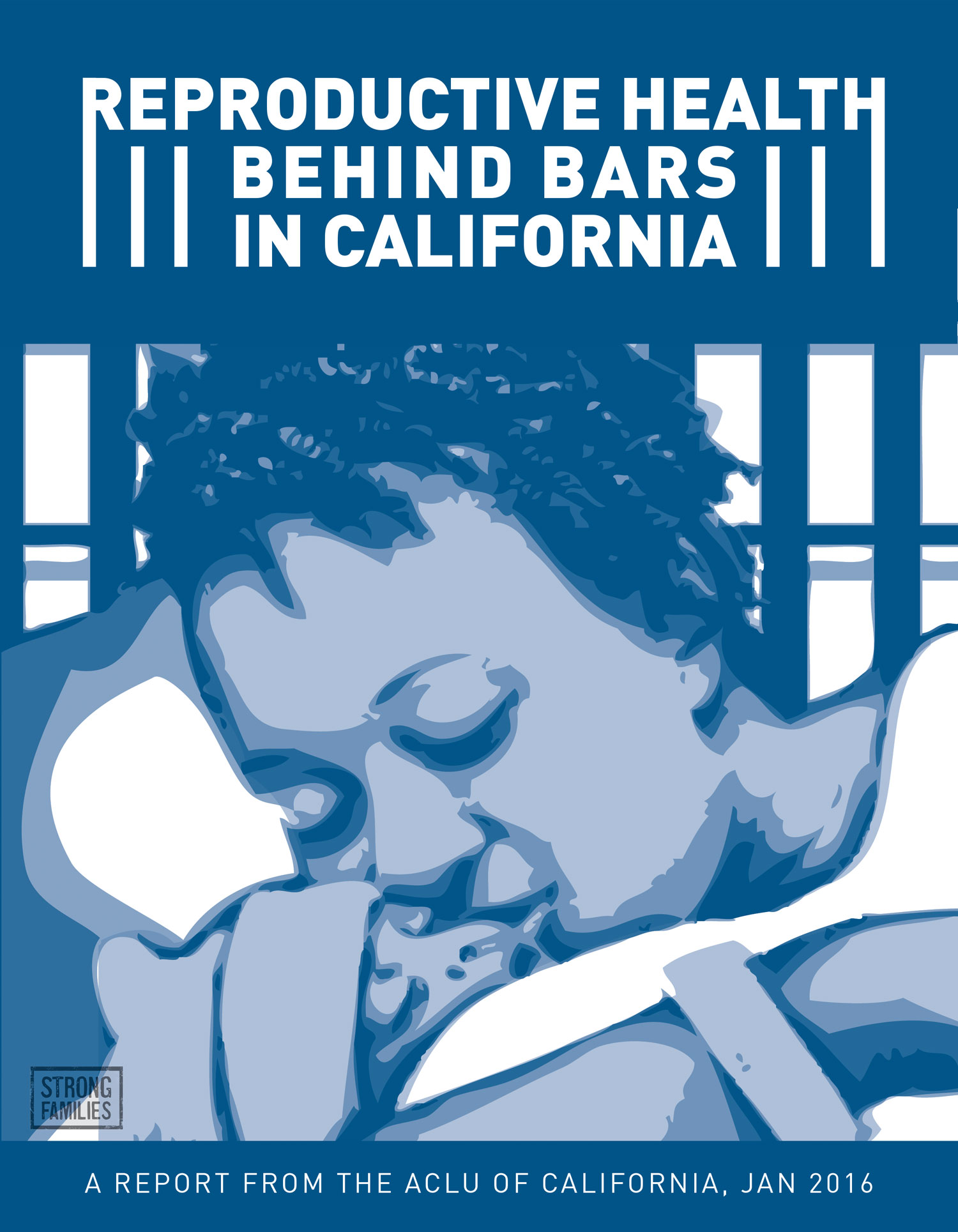
In the shadows of America’s prison system, where systemic neglect often intersects with gender-based disparities, a new initiative is emerging to address one of the most overlooked injustices: reproductive rights for incarcerated women. A recently released guide—developed by advocates and legal experts—aims to empower women behind bars by clarifying their rights in an environment where medical autonomy and bodily integrity are frequently denied or ignored.
The guide, which builds on decades of activism led by scholars like Victoria Law, a freelance journalist and author specializing in mass incarceration and gender, underscores a stark reality: survival in prison often hinges on knowing one’s rights. “There’s no way to survive in there unless we know what our rights are,” the guide emphasizes, reflecting a sentiment echoed by incarcerated women and their allies for years.
This effort comes at a critical juncture. While public discourse increasingly focuses on reproductive justice—from abortion bans to maternal health disparities—the experiences of incarcerated women remain largely invisible. Yet, the consequences of this neglect are profound: restricted access to menstrual products, denial of pregnancy-related care, coercive sterilization practices, and barriers to contraception all contribute to what advocates describe as a “crisis of reproductive injustice” within correctional facilities.
Why This Guide Matters: The Unseen Crisis of Reproductive Injustice
The new resource is a direct response to long-standing failures in prison healthcare systems. According to the American Civil Liberties Union (ACLU), incarcerated women face systemic barriers to reproductive healthcare, including:
- Denial of menstrual products: Many facilities charge exorbitant fees or refuse to provide basic hygiene items, forcing women to rely on smuggled supplies or go without.
- Restricted access to pregnancy care: Pregnant women in prison often face delays in receiving prenatal care, with some states requiring them to give birth in shackles—a practice condemned by medical and human rights organizations.
- Coercive sterilization: Historical and ongoing cases of forced sterilizations, particularly targeting women of color, have been documented in prisons across the U.S., with recent reports indicating these practices may still occur in some facilities.
- Barriers to contraception: Women in prison report difficulty obtaining birth control, with some facilities refusing to prescribe hormonal methods or providing only short-term solutions.
The guide also highlights the psychological toll of these injustices. “The lack of control over your own body is a form of punishment in itself,” notes the document, citing studies that link reproductive coercion in prison to higher rates of depression, anxiety, and self-harm among incarcerated women.
Who Is Behind the Guide? The Role of Advocacy in Prison Reform
The initiative is part of a broader movement led by organizations such as the Reproductive Justice Collective and the Witness organization, which works directly with incarcerated women to amplify their voices. The guide was developed in collaboration with legal experts and former prisoners, ensuring its content reflects the lived experiences of those it aims to serve.
Victoria Law, whose work has long centered on the intersections of mass incarceration and gender, has been a vocal advocate for this cause. Her books, including Resistance Behind Bars: The Struggles of Incarcerated Women (2009) and Corridors of Contagion: How the Pandemic Exposed the Cruelties of Incarceration (2024), have drawn attention to the unique challenges faced by women in prison. While the new guide does not directly cite her, her body of work has informed the broader discourse on reproductive justice in correctional settings.
Critics argue that such initiatives are long overdue. “Prisons are designed to strip away autonomy, and reproductive rights are no exception,” says a spokesperson for the Prison Policy Initiative. “This guide is a step toward reclaiming that autonomy, but systemic change requires more than just information—it demands policy reform.”
What’s Inside the Guide: Key Rights and Practical Steps
The guide is structured to be accessible, with clear sections outlining:
- Legal rights: A breakdown of federal and state laws governing reproductive healthcare in prisons, including the Prison Rape Elimination Act (PREA), which prohibits sexual abuse but has been criticized for failing to address reproductive coercion.
- Medical advocacy: Step-by-step instructions on how to request menstrual products, prenatal care, or contraception, including how to document denials and escalate complaints.
- Safety protocols: Guidance on navigating interactions with prison staff, including how to report abuse or neglect without retaliation.
- Community resources: A directory of organizations that provide legal support, advocacy, and direct aid to incarcerated women and their families.
One of the guide’s most critical sections addresses the 19th Amendment loophole: While the right to vote was extended to women in 1920, incarcerated women—who are disproportionately low-income, women of color, and survivors of trauma—remain disenfranchised. The guide connects reproductive rights to broader civic engagement, framing access to bodily autonomy as a prerequisite for meaningful participation in democracy.
Challenges Ahead: Policy Gaps and the Path Forward
Despite the guide’s potential impact, advocates acknowledge significant hurdles. A 2025 report by the Human Rights Watch found that:
- Only 12 states have enacted laws explicitly requiring prisons to provide menstrual products without charge.
- Federal oversight of prison healthcare remains inconsistent, with the Bureau of Prisons (BOP) failing to standardize reproductive care across facilities.
- Litigation remains the primary tool for change, but legal battles are costly and slow—leaving women in immediate need without recourse.
Legal scholar and prison reform advocate Dr. Sarah Shakeel, who has studied reproductive rights in correctional facilities, emphasizes that “information is power, but power without enforcement is meaningless.” She points to recent legislative efforts, such as the Dignity for Incarcerated Women Act (2021), which seeks to improve healthcare access for incarcerated women but has stalled in Congress.
Advocates are now pushing for:
- Mandatory training for prison staff on reproductive rights and trauma-informed care.
- Federal funding for independent oversight of prison healthcare systems.
- Expansion of legal aid programs to help incarcerated women navigate appeals and complaints.
How to Get Involved: Supporting Reproductive Justice Behind Bars
For those outside prison walls, the guide offers actionable ways to support reproductive justice:
- Donate to organizations like The Witness or Reproductive Justice Collective, which provide legal and material support to incarcerated women.
- Advocate for policy change by contacting legislators to support bills like the Dignity for Incarcerated Women Act.
- Write letters to incarcerated women, offering solidarity and resources. Organizations like PEN America provide guidelines for safe and effective correspondence.
- Educate communities about the intersections of mass incarceration and reproductive rights, particularly in marginalized neighborhoods disproportionately affected by prison systems.
What’s Next: The Road Ahead for Reproductive Justice in Prisons
The release of this guide coincides with growing public awareness of reproductive rights issues, from state-level abortion bans to global movements like UN Women’s advocacy on gender equality. However, incarcerated women remain at the margins of these conversations.
In the coming months, advocates plan to:
- Distribute the guide directly to women in prison through partner organizations.
- Launch a national campaign to pressure the BOP to adopt standardized reproductive healthcare policies.
- Partner with legal clinics to provide free consultations for women filing complaints about denied care.
The next critical checkpoint will be the June 2026 hearing before the U.S. Department of Justice (DOJ) on prison healthcare reforms, where advocates aim to present evidence of ongoing reproductive injustices. The outcome of this hearing could set the stage for federal intervention.
As the fight for reproductive justice continues, this guide serves as a reminder that change begins with knowledge—and that no one should be denied the right to bodily autonomy, regardless of their circumstances.
Key Takeaways
- The new guide is the latest tool in a decades-long struggle to secure reproductive rights for incarcerated women, who face systemic barriers to healthcare and autonomy.
- Issues range from denied menstrual products to coercive sterilization, reflecting broader patterns of gender-based neglect in prison systems.
- Advocates emphasize that policy reform must accompany educational efforts, with calls for federal oversight and legal aid expansion.
- Public support—through donations, advocacy, and education—is critical to sustaining momentum for change.
- The DOJ hearing in June 2026 will be a pivotal moment for pushing federal accountability on prison healthcare.
This story is a call to action. If you or someone you know is affected by these issues, reach out to The Witness or Reproductive Justice Collective for resources and support. Share this guide widely—knowledge is the first step toward justice.
For updates on prison reform and reproductive justice, follow World Today Journal and join the conversation below.