Titanium Court Review: A Fresh Take on Puzzle Strategy Gaming
In the evolving landscape of mobile gaming, where genre boundaries increasingly blur, a new title has emerged that challenges conventional categorization. Titanium Court, released in early 2026, presents itself as an innovative fusion of match-three puzzle mechanics with deep strategic elements reminiscent of civilization-building games. This unique combination has sparked considerable discussion among gaming critics and players alike, particularly regarding how it bridges casual accessibility with meaningful strategic depth.
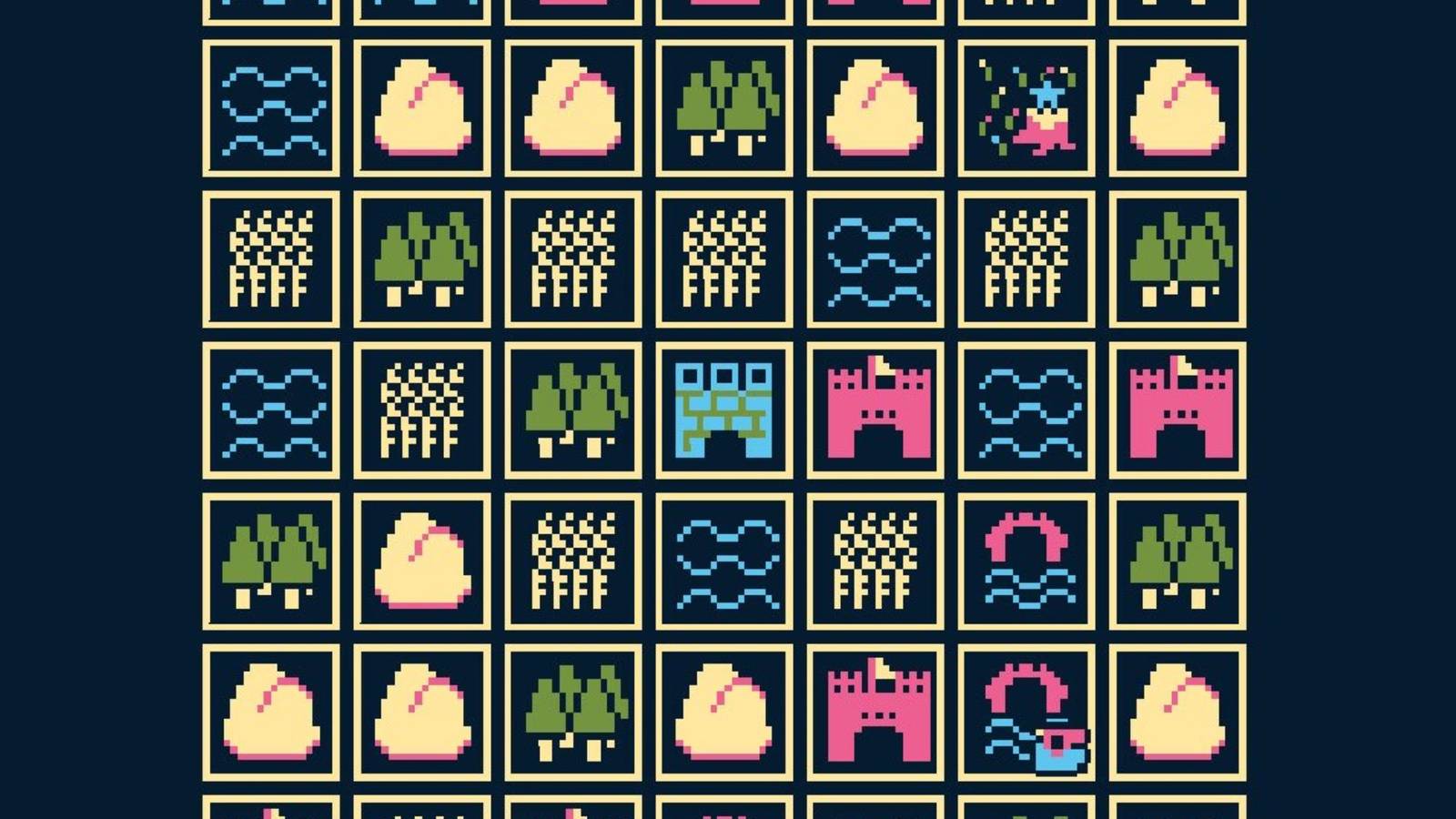
The game’s core loop centers on matching colored tiles on a grid-based board, a mechanic familiar to fans of popular puzzle titles. However, unlike traditional match-three games where clearing tiles is the primary objective, Titanium Court integrates these matches into a broader strategic framework. Players must consider not only immediate tile combinations but too how their actions influence resource management, territorial expansion, and long-term civilization development across multiple interconnected systems.
What distinguishes Titanium Court from similar hybrid attempts is its approach to progression. Rather than relying solely on increasing puzzle difficulty or cosmetic rewards, the game ties successful tile matches directly to tangible advancements in a persistent game world. Each successful combination contributes to resource accumulation, which players then allocate toward developing their in-game civilization through technology research, infrastructure building, and diplomatic interactions with other factions.
Early player feedback highlights the game’s success in creating meaningful engagement loops. The satisfaction derived from solving puzzle challenges is amplified by visible progress in the strategic layer, where players witness their civilization evolve based on their puzzle-solving efficiency. This creates a compelling feedback loop that rewards both quick thinking and long-term planning, addressing a common criticism of pure puzzle games that can feel repetitive without meaningful progression systems.
The title’s visual design further reinforces its thematic cohesion. Using a distinctive art style that blends futuristic metallic aesthetics with organic civilization elements, Titanium Court creates a cohesive world where the puzzle mechanics feel intrinsically connected to the strategic outcomes. This attention to aesthetic consistency helps bridge the conceptual gap between the abstract puzzle board and the tangible civilization-building aspects of the game.
Mechanics and Player Experience
Delving into the specific mechanics reveals how Titanium Court implements its genre fusion. The game features a hexagonal grid system for its puzzle component, offering more complex matching possibilities than traditional square grids. Players can create matches in multiple directions, with special tiles and combinations triggering various effects that impact the strategic layer. These effects range from immediate resource bonuses to temporary advantages in diplomatic encounters or technological research.
The strategic layer operates on a turn-based system where players allocate accumulated resources to various development paths. Choices include investing in military capabilities for territorial defense, focusing on economic infrastructure for sustained resource generation, or pursuing technological advancements that unlock new puzzle mechanics and special tiles. This creates meaningful decision points where short-term puzzle performance directly influences long-term strategic options.
Resource management forms a critical bridge between the two layers. Different tile matches yield specific resource types—such as energy, materials, or influence—which must be balanced against competing development priorities. This system encourages players to develop nuanced strategies, as over-specialization in one resource type can create vulnerabilities in others, mirroring real-world civilization development challenges.
The game’s difficulty scaling has been particularly noted for its intelligence. Rather than simply increasing puzzle complexity, Titanium Court introduces new strategic considerations at higher levels. Advanced stages require players to balance multiple concurrent objectives, such as maintaining defensive capabilities while pursuing technological breakthroughs, all while managing an increasingly complex puzzle board that demands greater foresight and planning.
Accessibility features have also been thoughtfully implemented. The game includes adjustable difficulty settings for both puzzle and strategic components, allowing players to tailor the experience to their preferred balance of challenge types. Comprehensive tutorials introduce mechanics gradually, ensuring that newcomers to either puzzle games or strategy titles can grasp the interconnected systems without feeling overwhelmed.
Critical Reception and Community Response
Since its release, Titanium Court has garnered attention from gaming publications and community forums. Reviewers have praised its innovative approach to genre blending, noting how it successfully avoids the common pitfall of feeling like two disconnected games stapled together. The seamless integration where puzzle success directly fuels strategic progression has been highlighted as a key strength, creating a cohesive experience that feels greater than the sum of its parts.
Community discussions emphasize the game’s replayability value. The multiple strategic paths available—combined with the procedural elements in puzzle generation—ensure that subsequent playthroughs offer fresh challenges and decision-making scenarios. Players report experimenting with different civilization development strategies, from aggressive expansionist approaches to defensive, technology-focused builds, each requiring distinct puzzle-solving approaches to succeed.
The title’s monetization model has also been a topic of discussion. Implementing a fair approach that avoids aggressive monetization tactics commonly associated with mobile puzzle games, Titanium Court focuses on optional cosmetic enhancements rather than pay-to-win mechanics. This has been well-received by players concerned about the prevalence of exploitative monetization in the mobile gaming space.
Long-term engagement metrics indicate strong player retention, particularly among those who appreciate both puzzle-solving and strategic thinking. The game’s ability to cater to different play styles—whether someone prefers quick puzzle sessions or longer strategic planning periods—has contributed to its broad appeal across demographic segments that might typically favor either pure puzzle or pure strategy games.
Technical Performance and Platform Availability
Technical analysis shows Titanium Court performs well across its available platforms. Optimized for both iOS and Android devices, the game maintains consistent frame rates and responsive touch controls even during complex puzzle combinations that trigger multiple simultaneous effects in the strategic layer. Battery efficiency has been noted as a consideration for extended play sessions, with the development team implementing various optimization techniques to minimize power consumption.
The game’s user interface has received particular praise for its clarity and responsiveness. Information about resource levels, pending developments, and available actions is presented intuitively, allowing players to make informed decisions without excessive menu navigation. This thoughtful UI design proves crucial in a game where quick assessment of both puzzle opportunities and strategic implications is essential for success.
Regular updates have been part of the post-launch support, with the development team addressing player feedback and introducing new content. These updates have included additional civilization types, new puzzle mechanics, and balance adjustments based on community data. The transparent communication between developers and players has fostered a positive community environment, with players feeling heard and valued in the game’s ongoing evolution.
Looking ahead, the development roadmap suggests continued focus on refining the core experience rather than radical departures from the established formula. Planned enhancements include further refinement of the strategic AI, additional narrative elements to contextualize the civilization-building aspect, and expanded multiplayer options that allow for competitive or cooperative puzzle-strategy challenges between players.
Conclusion: Bridging Casual and Core Gaming
Titanium Court represents a significant step forward in the ongoing evolution of hybrid gaming experiences. By successfully integrating the immediate gratification of puzzle-solving with the meaningful progression of strategic civilization building, the game addresses a persistent challenge in mobile gaming: creating experiences that are both accessible for short sessions and deep enough to sustain long-term engagement.
The title’s success lies in its understanding that true genre fusion requires more than superficial combinations of mechanics. It demands thoughtful integration where each component enhances and reinforces the others, creating a unified experience where the whole becomes greater than the sum of its parts. For players who have felt underserved by either pure puzzle games lacking progression or strategy games with steep learning curves, Titanium Court offers a compelling middle path that respects both the player’s time and intelligence.
As the mobile gaming landscape continues to evolve, titles like Titanium Court demonstrate the potential for innovative genre blending to create fresh experiences that defy effortless categorization. Its approach serves as a valuable case study for developers seeking to create games that appeal to broad audiences without sacrificing depth or meaningful progression systems.
Keep reading