
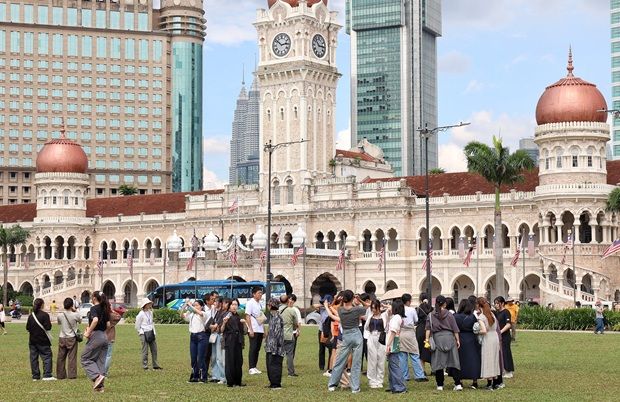
Malaysia Sets aspiring Tourism Goals: Welcoming 47 Million Visitors by 2026
Are you planning a trip to southeast Asia? Or perhaps you’re a travel industry professional looking for the latest insights into one of the region’s most dynamic destinations? Malaysia is gearing up for a meaningful surge in tourism, aiming to welcome 43 million foreign visitors in 2025 and a remarkable 47 million by 2026. This ambitious target is at the heart of the Visit Malaysia 2026 (VM2026) campaign, a national initiative designed to not only increase visitor numbers but also to encourage longer stays and higher spending.But what strategies are driving this push, and what can travelers and industry stakeholders expect?
A Resurgent Tourism Sector: Building on Recent Success
Malaysia’s tourism sector is already demonstrating a strong recovery. In 2024, the country welcomed 38 million international tourists – a substantial 31.1% increase compared to 2023. Domestic tourism also flourished, with 260.1 million visitors recorded, representing a 21.7% rise year-on-year. These figures, as reported by Deputy Prime Minister Datuk Seri Dr Ahmad Zahid Hamidi, signal a robust rebound and lay a solid foundation for the VM2026 objectives. Malaysia Tourism Official Website provides detailed statistics and insights into the sector’s performance.
The Three Pillars of VM2026: A Strategic Approach
The success of VM2026 hinges on a three-pronged strategy, meticulously crafted to maximize impact and achieve the ambitious tourism targets:
- Demand Creation: This focuses on elevating Malaysia’s brand image through impactful marketing campaigns and strategic branding initiatives. Expect to see increased visibility across global platforms, showcasing Malaysia’s diverse attractions and unique cultural experiences.
- Traffic boost: Tactical collaborations are key. The government is actively working with airlines to secure more routes and competitive fares, partnering with travel agencies to create enticing packages, and streamlining entry processes at regional land and sea borders. AirAsia and Malaysia Airlines are key partners in this effort.
- Targeted Segmentation: Recognizing that not all tourists are created equal, the strategy emphasizes focusing on high-value segments.This includes promoting ecotourism experiences in Malaysia’s stunning natural landscapes, capitalizing on its reputation as a shopping paradise, and developing niche attractions tailored to specific market preferences.
Focus on high-Impact Tourism Segments
Malaysia is strategically diversifying its tourism offerings to attract a wider range of visitors. Key areas of focus include:
Ecotourism: With its rich biodiversity and pristine rainforests, Malaysia is a haven for nature lovers. Destinations like Taman Negara National Park and the Kinabalu National Park are poised to become even more popular. WWF-Malaysia is actively involved in conservation efforts, ensuring the sustainability of these natural treasures.
Shopping Tourism: Malaysia consistently ranks as a top shopping destination in Asia. The VM2026 campaign will amplify this strength, with initiatives like the intensified Malaysia Midnight Sale aiming to position the country as a premier shopping hub.
cultural Tourism: From the historic city of Melaka (a UNESCO World Heritage site) to the vibrant cultural tapestry of Penang, Malaysia offers a rich cultural experience.
Medical Tourism: Malaysia is increasingly recognized for its high-quality, affordable healthcare, attracting medical tourists from around the globe. Malaysia Healthcare Travel Council provides information on medical tourism options.
Adapting to Global Trends: Seasonal Strategies & Emerging Markets
The VM2026 committee is also keenly aware of evolving travel patterns and the importance of adapting to seasonal demands. A particular focus is being placed on attracting visitors from the Middle East, where extreme weather conditions during certain times of the year drive demand for cooler destinations like Malaysia. This proactive approach demonstrates a commitment to maximizing tourism revenue throughout the year.
A Collaborative Effort: The Role of Ministries and Agencies
The success of VM2026 isn’t solely the obligation of the Tourism, Arts and Culture Ministry. The campaign is a national agenda, requiring close collaboration between various government ministries and agencies, including Communications, Housing and Local Government, Transport, and Tourism Malaysia. This unified approach ensures a seamless and coordinated effort to deliver an extraordinary visitor experience.
![China EV Sales Surge: Affordable Models Drive Rebound | [Year] Update](https://i0.wp.com/image.cnbcfm.com/api/v1/image/108192918-1756789173442-gettyimages-2217080674-vcg111569908822.jpeg?resize=150%2C150&ssl=1 "China EV Sales Surge: Affordable Models Drive Rebound | [Year] Update")





![The Odyssey Trailer: First Look & Breakdown | [Year] Release Date](https://i0.wp.com/spotlightreport.net/wp-content/uploads/2025/12/the-odyssey.jpg?resize=150%2C100&ssl=1 "The Odyssey Trailer: First Look & Breakdown | [Year] Release Date")

