The Rio de Janeiro Police Raid: A Deep Dive into a Deadly Operation
A shocking wave of violence recently swept through Rio de Janeiro, Brazil, leaving at least 121 people dead following a large-scale police operation targeting a notorious drug trafficking gang.This devastating event has ignited a fierce debate surrounding police tactics, human rights, and the escalating conflict within Brazil’s favelas. Understanding the complexities of this situation requires a nuanced look at the context, the operation itself, and the ensuing fallout. This article will explore the details of the Rio de Janeiro raid, its implications, and potential paths forward.
The Operation and Rising Death Toll
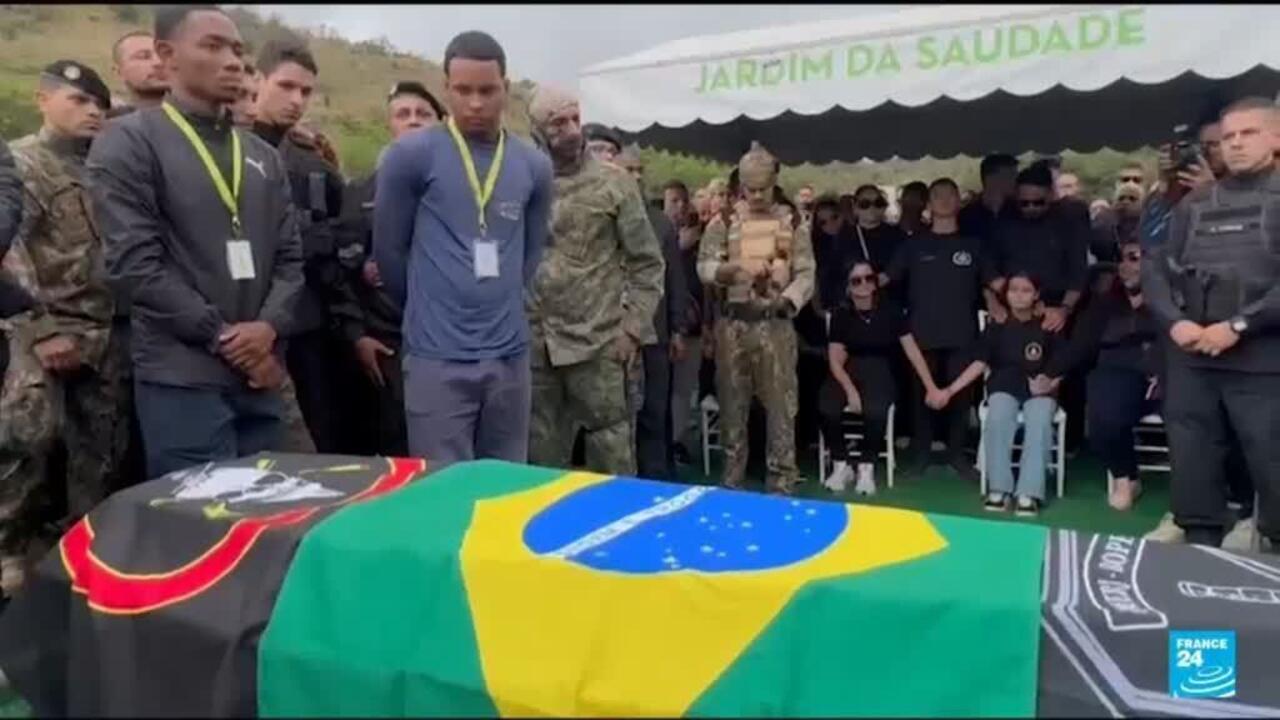
Reports indicate the operation, conducted over several days in the Complexo do Alemão favela, involved hundreds of police officers attempting to dismantle a major criminal organization. Initial reports confirmed the deaths of four police officers alongside a staggering number of civilians.As search efforts continue, the death toll is expected to rise further, making it one of the deadliest police operations in Brazilian history. The sheer scale of the loss of life has prompted widespread condemnation and calls for accountability.
The governor of Rio de Janeiro has publicly defended the operation as a necessary step to combat organized crime and restore order. Though,critics argue that the excessive use of force employed by law enforcement raises serious concerns about human rights violations and the potential for collateral damage.
Examining the Context: Favelas, Gangs, and Violence
To truly grasp the gravity of this event, it’s crucial to understand the socio-political landscape of Rio de Janeiro. Favelas, often built on steep hillsides, are densely populated, marginalized communities with limited access to basic services like sanitation, healthcare, and education. These areas have historically been controlled by powerful drug trafficking gangs, who exploit the vulnerabilities of residents and engage in violent turf wars.
Recent data from the Brazilian Public Security Forum shows a concerning trend: homicides in Rio de Janeiro have increased by 13.7% in the first half of 2024 compared to the same period last year. This escalating violence underscores the urgent need for extensive strategies that address both the symptoms and root causes of crime. The presence of militias, paramilitary groups often composed of former police officers, further complicates the situation, vying for control alongside drug gangs.
International Response and Calls for Inquiry
The United Nations Human Rights Office has expressed deep concern over the events in Rio de Janeiro and has called for an independent investigation into allegations of excessive force.Several international human rights organizations have echoed this call, emphasizing the importance of openness and accountability.
The Inter-American Commission on Human Rights has also offered its support for a thorough investigation, highlighting the need to protect the rights of residents in the affected communities. This international scrutiny adds pressure on Brazilian authorities to address the concerns raised and ensure justice for the victims. Understanding police brutality and its impact on vulnerable communities is paramount.
What Can Be Done? A Path Towards Sustainable Solutions
Addressing the complex challenges facing Rio de Janeiro requires a multi-faceted approach that goes beyond simply relying on police operations.Here are some key steps that could contribute to a more sustainable solution:
* Invest in Social Programs: Expanding access to education, healthcare, and employment opportunities in favelas can help break the cycle of poverty and reduce the appeal of gang membership.
* community Policing: Building trust between law enforcement and residents through community-based policing initiatives can foster cooperation and improve security.
* Strengthen Judicial System: Improving the efficiency and effectiveness of the judicial system can ensure that criminals are brought to justice and that victims receive redress.
* Address Police Corruption: Tackling corruption within the police force is essential to restore public trust and ensure that law enforcement operates with integrity.
* Demilitarization of Police: Reducing the militarization of police forces and prioritizing de-escalation tactics can help minimize the risk of excessive force.
These steps require meaningful investment and political will, but they are essential to creating a safer and more just society for all residents of Rio de Janeiro. Considering favelas’ urbanization and its impact on
Worth a look