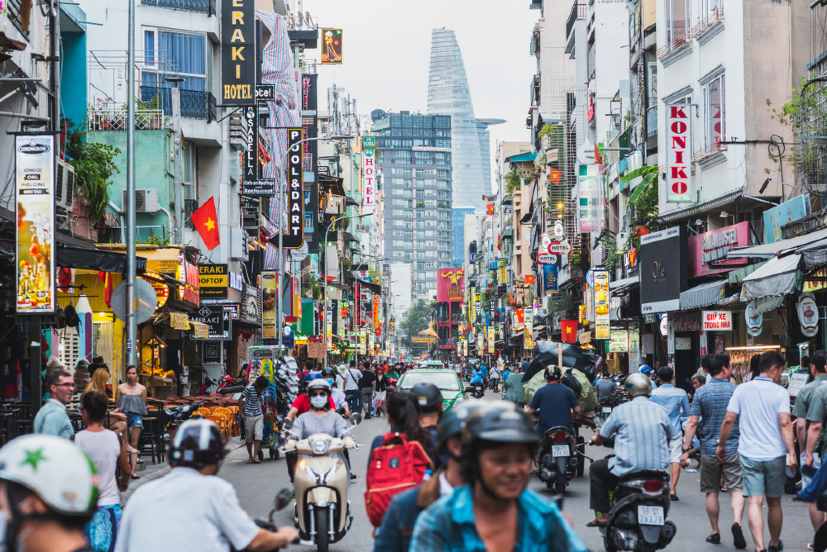
London, United Kingdom – March 20, 2026 – Vietnam’s burgeoning insurance market is rapidly outpacing that of many African nations, a trend highlighted by recent analysis and growing economic ties. While Africa remains significantly underinsured, Vietnam is emerging as a dynamic economic partner, offering a different model of development cooperation focused on trade and investment rather than traditional aid. This shift is prompting a re-evaluation of how African nations can foster economic resilience and expand access to crucial financial protections.
The contrast between Vietnam and Africa’s insurance landscapes is stark. Vietnam, having undergone significant economic reforms in recent decades, has seen its insurance sector flourish, providing a safety net for its growing middle class and supporting its expanding economy. Africa, however, continues to grapple with low insurance penetration rates, leaving individuals and businesses vulnerable to economic shocks. According to reports, the continent’s insurance penetration remains significantly lower than the global average, hindering sustainable development and economic growth.
Vietnam’s Economic Rise and its Implications for Africa
Vietnam’s economic success story is attracting attention across the developing world, particularly in Africa. Over the past three decades, Vietnam has experienced an average economic growth rate of 7% annually, transforming from a largely agrarian society to a manufacturing and export-oriented economy. This growth has been fueled by foreign direct investment (FDI) and a focus on producing goods for the global market, with export value accounting for 201% of GDP in 2020. Crucially, this growth has been accompanied by a dramatic reduction in poverty, falling from 52.3% in 1992 to just 1.8% in 2018.
This success is prompting African leaders to seek closer ties with Vietnam, viewing it as a potential model for development. In July 2025, a visit by the Chairman of Vietnam’s National Assembly to Senegal signaled a deepening of bilateral relations. The visit aimed to foster cooperation in areas such as trade, agriculture, science, technology, and people-to-people exchanges, building on existing legislative ties. Similarly, in 2024, Sierra Leonean President Julius Maada Bio made a state visit to Vietnam, the first of its kind, indicating a growing interest in strengthening economic partnerships.
A Different Approach to Development Cooperation
Vietnam’s engagement with Africa differs from the traditional donor-recipient model often seen with Western nations or China. Analysts suggest that Vietnam is unlikely to become a major source of financial aid or loans for African governments. Instead, its approach focuses on South-South cooperation, emphasizing trade, investment, and the sharing of expertise in areas where Vietnam has demonstrated success, such as agriculture and manufacturing.
This approach is particularly appealing to African nations seeking to reduce their reliance on debt and build more sustainable economic models. Vietnam’s own history of overcoming challenges – including a colonial past under China, France, and Japan, and the devastating consequences of the Vietnam War – resonates with many African countries facing similar hurdles. The country’s resilience and its ability to achieve rapid economic growth despite these obstacles offer a compelling case study for African policymakers.
The Insurance Gap in Africa: A Barrier to Progress
While Vietnam’s insurance market expands, Africa continues to lag behind. Low insurance penetration rates expose individuals and businesses to significant financial risks, hindering economic development and exacerbating poverty. Without adequate insurance coverage, individuals are more vulnerable to the financial consequences of health emergencies, natural disasters, and other unforeseen events. Businesses, too, face greater risks, making it harder to attract investment and expand operations.
The reasons for this insurance gap are multifaceted. They include low levels of income, limited financial literacy, a lack of suitable insurance products, and inadequate regulatory frameworks. The informal sector, which accounts for a significant portion of economic activity in many African countries, often lacks access to formal insurance services. Addressing these challenges requires a concerted effort from governments, insurers, and other stakeholders.
Vietnam’s Insurance Sector: A Model for Growth?
Vietnam’s insurance sector provides a potential blueprint for African nations seeking to expand access to insurance. The country has successfully developed a diverse insurance market, offering a range of products to meet the needs of individuals and businesses. This includes life insurance, health insurance, property insurance, and agricultural insurance. Key to this success has been a combination of regulatory reforms, private sector investment, and a growing awareness of the importance of insurance among the population.
However, it’s important to note that replicating Vietnam’s success in Africa will not be straightforward. Africa is a diverse continent with a wide range of economic, social, and political contexts. What works in one country may not necessarily work in another. A tailored approach, taking into account the specific needs and challenges of each African nation, is essential.
Looking Ahead: Strengthening Africa-Vietnam Ties
The growing relationship between Vietnam and Africa presents a unique opportunity for mutual benefit. Vietnam can share its expertise in economic development and insurance sector growth, while African nations can provide Vietnam with access to new markets and resources. This partnership, focused on trade, investment, and knowledge sharing, offers a promising alternative to traditional aid-based approaches.
The recent focus on strengthening ties, as evidenced by high-level visits and agreements, suggests a commitment from both sides to deepen cooperation. Further collaboration in areas such as agricultural technology, manufacturing, and infrastructure development could unlock significant economic opportunities for both Vietnam and Africa. The key will be to foster a sustainable and mutually beneficial partnership that addresses the specific needs and challenges of each region.
The next significant development to watch will be the implementation of agreements reached during President Bio’s visit to Vietnam and the follow-up actions stemming from the National Assembly Chairman’s trip to Senegal. These initiatives will likely shape the future trajectory of Africa-Vietnam relations and provide valuable insights into the potential for South-South cooperation to drive economic growth and resilience.
Do you think Vietnam’s economic model offers a viable path for African development? Share your thoughts in the comments below.
Worth a look