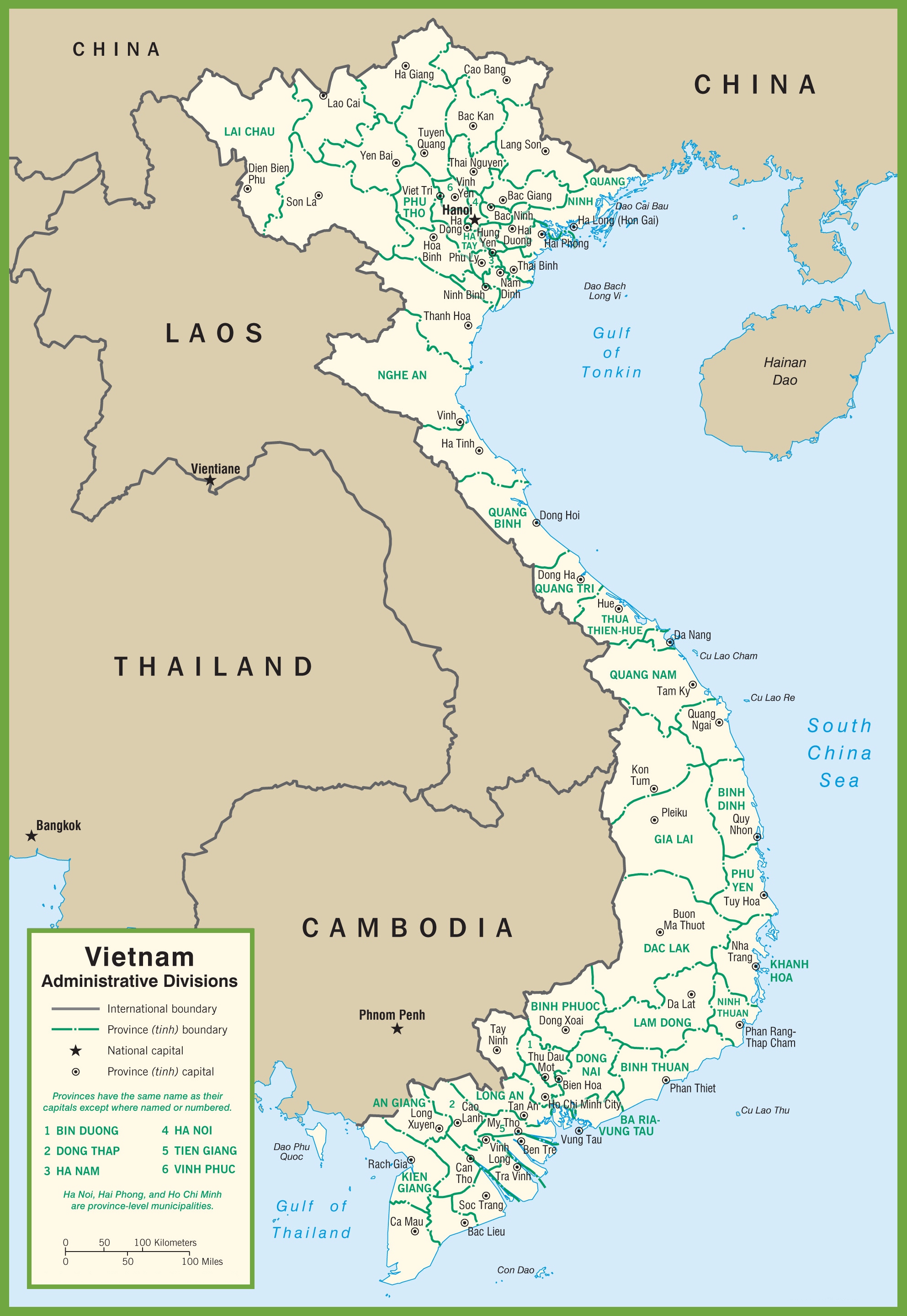
Le Minh Tri, a member of the Political Bureau and Secretary of the Central Committee of the Communist Party of Vietnam, is currently in China for high-level diplomatic discussions aimed at strengthening bilateral cooperation between Hanoi and Beijing. The visit, conducted at the formal invitation of the Communist Party of China (CPC) Central Committee, marks a significant step in ongoing efforts to deepen political trust and streamline governance collaboration between the two nations.
As the Central Internal Affairs Commission of the Communist Party of Vietnam, Le Minh Tri’s delegation is focusing on the exchange of theoretical and practical experiences in internal party affairs, legal system reform, and anti-corruption strategies. These discussions are part of a broader framework of high-level engagement that has seen frequent exchanges between Vietnamese and Chinese leadership over the past year, reflecting the “comprehensive strategic cooperative partnership” established between the two neighbors, according to official state records from the Voice of Vietnam.
Strengthening Governance and Internal Cooperation
The core of the current dialogue in Beijing centers on the intersection of internal party discipline and state administration. Le Minh Tri, in his capacity as the head of the Central Internal Affairs Commission, oversees the monitoring of anti-corruption efforts and the judicial reform process within Vietnam. By engaging with his Chinese counterparts, he is exploring how the CPC manages its own internal oversight mechanisms, particularly regarding the “Clean Government” initiatives that have been a cornerstone of President Xi Jinping’s policy agenda since 2012, as documented by Reuters.

This exchange is not merely symbolic. Both nations are navigating the complexities of maintaining party control while modernizing their legal frameworks to support economic growth. For Vietnam, the focus remains on “Doi Moi” (renovation) policies, which require a stable and corruption-free administrative environment to attract foreign direct investment. Beijing, in turn, views these exchanges as a way to harmonize regulatory standards and ensure that regional security and economic interests remain aligned, a sentiment frequently reinforced in Chinese Ministry of Foreign Affairs briefings.
The Geopolitical Context of Vietnam-China Relations
The visit occurs against a backdrop of complex regional dynamics. While Vietnam and China share a deep-rooted history and significant economic ties, their relationship is periodically tested by maritime disputes in the South China Sea. Despite these tensions, both governments have prioritized “stable, healthy, and sustainable” development of their bilateral ties, a phrase consistently used in joint statements issued during the visits of General Secretary To Lam and other senior officials to China earlier this year, according to reports from the South China Morning Post.
Economic cooperation remains the primary driver of this stability. China is Vietnam’s largest trading partner, and Vietnam serves as a vital node in China’s supply chain strategy within Southeast Asia. By deepening cooperation on internal affairs and party-to-party relations, both nations aim to build a “community with a shared future,” a concept frequently highlighted in official diplomatic communications. This strategy allows the two communist-led states to manage their ideological alignment while concurrently addressing the practical demands of a globalized economy.
Future Pathways for Bilateral Engagement
Looking ahead, the collaboration between the Central Internal Affairs Commission of Vietnam and its Chinese counterpart is expected to result in more structured information sharing. This includes potential training programs for cadres and the development of digital tools for administrative transparency. These initiatives are part of a broader effort to modernize governance structures in both countries, ensuring that party policies are implemented effectively at the local level.

The next phase of these interactions will likely involve follow-up meetings at the ministerial level to translate the theoretical agreements reached during Le Minh Tri’s visit into actionable policies. Observers note that the frequency of these high-level visits reflects a concerted effort by both capitals to insulate their relationship from external geopolitical pressures, such as shifting alliances in the Indo-Pacific region. Official updates regarding the outcomes of these specific sessions are typically published through the Communist Party of Vietnam Online Newspaper, which provides the most direct record of the delegation’s itinerary and resulting agreements.
As these dialogues continue, the focus will remain on balancing internal party security with the demands of economic integration. Readers interested in the long-term trajectory of this partnership can monitor future official communiqués from the Ministry of Foreign Affairs of Vietnam for updates on upcoming reciprocal visits or new bilateral protocols. We invite you to share your perspectives on these developments in the comments section below.
Related reading