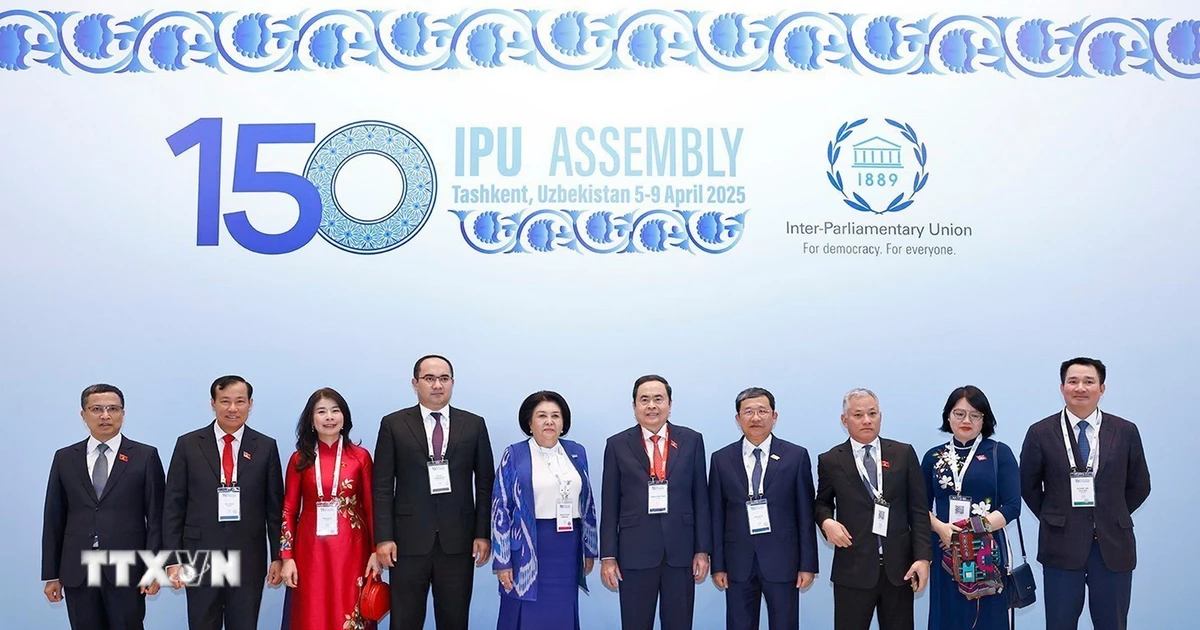
The role of national legislatures is evolving, increasingly extending beyond domestic lawmaking to become a crucial instrument of foreign policy. This shift is particularly evident in Vietnam, where experts are advocating for a more proactive and strategic approach to legislative diplomacy. A recent analysis highlights the need for Vietnam’s National Assembly to take a leading role in shaping international norms and standards, particularly in emerging fields like cybersecurity, artificial intelligence ethics, and green trade. This move comes as Vietnam aims to elevate its position on the global stage and secure its economic interests in an increasingly complex geopolitical landscape.
According to Phan Kien Cuong, an economic arbitrator based in the Czech Republic, Slovakia, and Vienna, and Deputy Director of the Vietnam Centre for Economic and Trade Development Consulting (VICENDETI), the Vietnamese National Assembly is uniquely positioned to act as an “extended arm” of the country’s foreign policy. This assessment, made in an interview with Vietnam News Agency (VNA), underscores a growing recognition of the Assembly’s potential to influence international discourse and advance Vietnam’s national agenda. The call for a more assertive legislative approach comes at a time when global challenges demand collaborative solutions and a willingness to engage in the formulation of international “rules of the game.”
This evolving role for the Vietnamese National Assembly isn’t simply about increased participation in international forums; it’s about assuming leadership and proactively proposing legal frameworks that reflect Vietnam’s values and priorities. Cuong suggests a strategic focus on organizations like the Inter-Parliamentary Union (IPU) General Assembly, the ASEAN Inter-Parliamentary Assembly (AIPA), and the Asia-Pacific Parliamentary Forum (APPF). By taking the initiative in these arenas, Vietnam can shape the debate and ensure its interests are represented in critical areas of global governance. The timing of this push is significant, as Vietnam continues to integrate more deeply into the global economy and navigate a rapidly changing international order.
Elevating Legislative Diplomacy: A Four-Pillar Strategy
Cuong outlines a four-pillar strategy to bolster Vietnam’s legislative diplomacy. The first pillar centers on a fundamental shift in mindset – moving from simply “participating” in multilateral forums to actively “leading” them. This requires a proactive approach to proposing legal frameworks, particularly in emerging areas of digital governance. The second pillar emphasizes the importance of harmonizing domestic laws with international standards, particularly those stemming from new-generation trade agreements like the EU-Vietnam Free Trade Agreement (EVFTA) and the Comprehensive and Progressive Agreement for Trans-Pacific Partnership (CPTPP). The EVFTA, which fully entered into force in 2020, represents a significant step in Vietnam’s economic integration with Europe and requires ongoing legislative adjustments to ensure compliance and maximize benefits. The European Commission provides detailed information on the EVFTA.
The third pillar focuses on strengthening “thematic diplomacy” through specialized parliamentary committees. This involves fostering direct connections between Vietnamese committees – such as the Economic Committee, the Legal Committee, and the Committee for Science, Technology and Environment – and their counterparts in developed countries, particularly within the European Union. These exchanges can facilitate the sharing of best practices and accelerate Vietnam’s institutional development. Finally, the fourth pillar stresses the need to strengthen the oversight mechanism for international agreements, ensuring that commitments are effectively implemented and resources are allocated appropriately. This oversight is crucial for ensuring that international cooperation translates into tangible benefits for Vietnam’s economic and social development.
Harmonizing Laws and Fostering Integration
The emphasis on harmonizing domestic laws with international standards is a key component of Vietnam’s strategy. Cuong argues that effective legislative diplomacy requires fulfilling commitments made through international agreements. This involves a systematic review and incorporation of international norms into Vietnamese law, ensuring a consistent and predictable legal framework for investors and businesses. This process is not merely about compliance; it’s about creating a business environment that is transparent, reliable, and conducive to sustainable economic growth. The CPTPP, signed in 2018, also requires ongoing legislative adjustments to fully realize its potential benefits for Vietnam’s trade and investment landscape. New Zealand’s Ministry of Foreign Affairs and Trade provides a comprehensive overview of the CPTPP.
Strengthening Thematic Diplomacy and Knowledge Exchange
The call for strengthening “thematic diplomacy” highlights the importance of targeted engagement with specific areas of expertise. By connecting Vietnamese parliamentary committees with their counterparts in developed countries, Vietnam can tap into valuable knowledge and experience. For example, exchanges on legislative best practices in areas like energy transition and the circular economy can help Vietnam accelerate its progress towards sustainable development goals. This approach recognizes that effective policymaking requires a deep understanding of the technical and legal complexities involved, and that collaboration is essential for addressing global challenges. The focus on the European Union as a key partner reflects the EU’s leadership in areas like environmental regulation and sustainable development.
The Vietnamese National Assembly’s role in overseeing the implementation of international agreements is also critical. This oversight function ensures that commitments are honored, resources are used effectively, and that international cooperation contributes to Vietnam’s national development priorities. By exercising its supervisory powers, the Assembly can hold the government accountable and ensure that international agreements are translated into concrete benefits for the Vietnamese people. This is particularly vital in areas like trade, investment, and environmental protection, where effective implementation is essential for achieving desired outcomes.
Vietnam’s Strategic Vision and Overseas Feedback
Beyond legislative diplomacy, Vietnam is also demonstrating a strategic vision by actively seeking feedback from its overseas communities. Phan Kien Cuong notes that dialogues with overseas Vietnamese have expanded beyond traditional external affairs to encompass fundamental areas like national development orientation, Party building, and institutional reform. This proactive engagement reflects a renewed emphasis on people-to-people diplomacy and the recognition of overseas Vietnamese as an “inseparable part” of the nation and a valuable resource for development. The Party and State’s efforts to solicit input on draft documents, constitutional amendments, and major resolutions demonstrate a commitment to inclusive governance and a willingness to listen to diverse perspectives. This approach is seen as a significant step forward in Vietnam’s diplomatic strategy.
These efforts to gather feedback from overseas Vietnamese are not merely symbolic; they are embedded in formal policy frameworks. This institutionalization of dialogue underscores the importance that Vietnam places on engaging its diaspora in the nation’s development process. By tapping into the expertise and experiences of overseas Vietnamese, Vietnam can gain valuable insights and strengthen its connections with the global community. This inclusive approach is particularly relevant as Vietnam seeks to enhance its international standing and attract foreign investment.
As Vietnam aspires to become a developed, high-income country, Cuong argues that legislative diplomacy must be at the forefront of institutional development. A reformed, optimized, and integrated National Assembly will be essential for guiding Vietnam towards success. This requires a commitment to proactive leadership, strategic planning, and effective implementation. The ongoing efforts to strengthen legislative diplomacy and engage with overseas communities are crucial steps in this direction.
The next key step for Vietnam will be the continued implementation of its legislative agenda, particularly in areas related to international trade and investment. Monitoring the progress of the EVFTA and CPTPP, and ensuring that domestic laws are aligned with their provisions, will be crucial for maximizing their benefits. Continued engagement with overseas Vietnamese communities will be essential for fostering a sense of national unity and harnessing their potential for contributing to Vietnam’s development. Readers interested in following these developments can find updates on the website of the Vietnam National Assembly. The official website of the Vietnam National Assembly provides information on legislative activities and international cooperation.
What are your thoughts on the evolving role of legislative diplomacy in Vietnam? Share your comments below and help us continue the conversation.
Worth a look