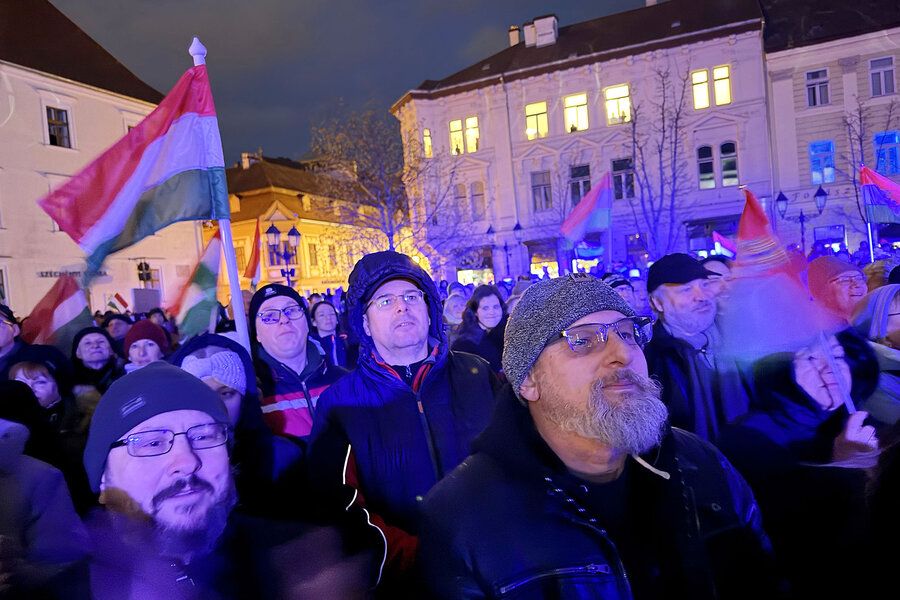
As Hungary approaches its next electoral cycle, the geopolitical instability of Eastern Europe has become a central pillar of the domestic political conversation. Prime Minister Viktor Orbán is increasingly centering his campaign strategy on the conflict in Ukraine, framing the war as a primary threat to Hungarian national security and stability.
The strategy involves positioning the war in Ukraine as a danger that the current administration is uniquely equipped to manage. By highlighting the risks of escalation and the potential for regional spillover, the government seeks to reinforce its image as a protector of the nation against external volatility. This approach leverages the prevailing anxieties of the electorate regarding energy security and economic stability.
The intersection of foreign policy and domestic campaigning is particularly evident in how the administration handles its relationships with neighboring states and global powers. While the government maintains a complex balancing act between Western alliances and Eastern interests, the rhetoric on the campaign trail focuses heavily on the perceived perils of the ongoing conflict.
The Role of Ukraine in Hungary’s Electoral Strategy
For the Orbán administration, the war in Ukraine is not merely a diplomatic challenge but a potent political tool. By characterizing the conflict as a “boogeyman,” the government can justify specific policy directions and rally supporters around a narrative of national resilience. This framing allows the administration to contrast its approach with that of the opposition, suggesting that a change in leadership could leave Hungary more vulnerable to the disruptions caused by the war.

The political stakes are high, as Hungary finds itself at a critical juncture. Analysis suggests that the country is at a crossroads, with the potential for a significant shift in direction should Viktor Orbán lose his grip on power The Times. The war serves as a convenient backdrop to emphasize the necessity of “strong” leadership in times of crisis.
Energy Security and Infrastructure
A critical component of this narrative is the maintenance of energy infrastructure, which is vital for Hungarian economic survival. The Prime Minister’s focus on pipelines and energy imports underscores the practical implications of the war. For example, Orbán has made high-profile visits to pipelines to signal that Hungary will prioritize its own energy needs regardless of the broader geopolitical pressures rferl.org.
This focus on infrastructure is often intertwined with accusations and counter-accusations regarding sabotage and regional instability. While some claims have pointed toward Ukraine in relation to pipeline sabotage, neighboring countries like Serbia have pushed back against such assertions, highlighting the fractured nature of regional diplomatic relations during the conflict.
External Influences and Domestic Politics
The internal political landscape of Hungary is further complicated by the perceived influence of foreign actors. There has been significant scrutiny regarding the role of Russia in Hungarian politics. While some suggest a “hidden hand” guiding electoral outcomes, reports indicate that Russian influence in Hungary’s elections is actually quite open and visible The Novel York Times.
This openness suggests a strategic alignment where the Hungarian government’s narrative regarding the war in Ukraine may overlap with interests shared by the Kremlin. By framing the conflict as a danger to be managed through neutrality or specific bilateral agreements, the administration maintains a precarious balance between its EU obligations and its pragmatic energy and political ties to the East.
Key Takeaways on the Campaign Narrative
- Security Framing: The war in Ukraine is used as a primary campaign theme to emphasize the need for stability and strong leadership.
- Energy Priority: Infrastructure visits and energy security are leveraged to show the administration’s commitment to national interests.
- Geopolitical Balancing: The government navigates a complex relationship between the West and Russia, with the latter’s influence being openly acknowledged in some political contexts.
- Opposition Challenge: The administration uses the “danger” of the war to paint the opposition as unable to handle the complexities of a regional crisis.
The upcoming elections will determine whether this narrative continues to resonate with the Hungarian public or if the electorate seeks a different path in response to the ongoing pressures of the war and the resulting economic strain.
For those following the developments, the next critical checkpoint will be the official release of the election calendar and the subsequent formal campaign launches by the major political parties.
We invite our readers to share their perspectives on how regional conflicts influence national elections in the comments below.