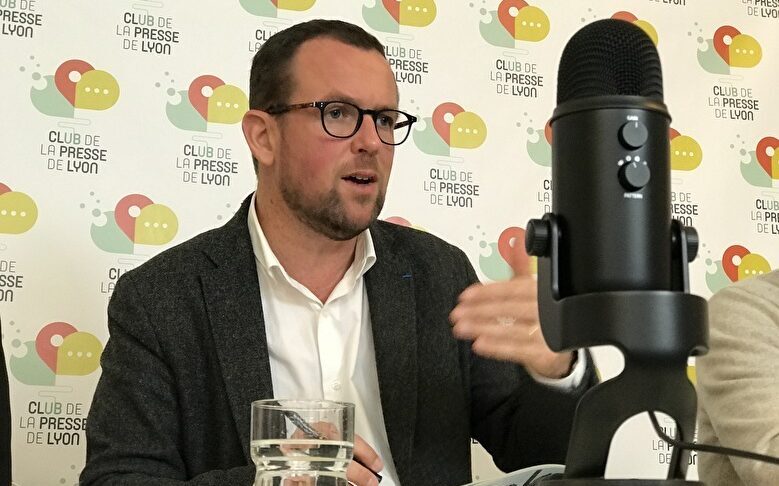
Villeurbanne, France – As the municipal elections of March 2026 draw closer, candidates are increasingly outlining their positions on key local issues, and animal welfare has emerged as a significant point of contention. Current Mayor Cédric Van Styvendael has joined his political rivals in signing a charter proposed by the animal defense association PAZ (Projet Animaux Zoopolis), committing to a series of measures aimed at improving animal conditions within the city. This move comes as Van Styvendael seeks re-election amidst a challenge from within his own political coalition, spearheaded by his deputy, Mathieu Garabédian, representing La France Insoumise (LFI).
The commitments made by Van Styvendael, while substantial, fall slightly short of those pledged by his opponents. According to reports, Van Styvendael has agreed to 21 of the 23 measures outlined in the PAZ charter, while Garabédian has committed to all 23, and former mayor Jean-Paul Bret to 22. This difference highlights a growing divide within the left-wing political landscape of Villeurbanne, where animal welfare is clearly a resonant issue for voters. The upcoming election is shaping up to be a test of priorities and political alignment within the city.
Van Styvendael’s Commitments and Areas of Divergence
Among the measures signed by Mayor Van Styvendael are commitments to establish a dedicated position for animal welfare within the municipal government and to allocate a specific budget for animal-related initiatives. He has also pledged to fund the sterilization and identification of stray cats, a common concern for residents, and to prohibit animal performances on public property. These commitments demonstrate a growing recognition of the importance of animal welfare within the city administration.
However, a key point of divergence lies in Van Styvendael’s position on certain fishing practices. Unlike Garabédian and Bret, he has not explicitly stated his opposition to “live-baiting” and poisoning techniques used in recreational fishing, practices widely considered cruel by animal welfare advocates. This omission has drawn criticism from the PAZ association, which argues that a comprehensive approach to animal protection requires a firm stance against all forms of animal cruelty. The PAZ association, in a statement, has acknowledged Van Styvendael’s commitments but also criticized the current administration for a perceived lack of ambitious public policy regarding animal welfare.
A Shifting Political Landscape in Villeurbanne
The emergence of Garabédian as a challenger to Van Styvendael marks a significant shift in the political dynamics of Villeurbanne. Garabédian, currently serving as Van Styvendael’s deputy in charge of solidarity, officially announced his candidacy for LFI in September 2025, with the support of Gabriel Amard, a deputy from the 6th district of Rhône. LyonMag reported on this announcement, highlighting the strategic planning behind Garabédian’s bid, which began in the spring of 2025. This move represents a direct challenge to the established socialist leadership in Villeurbanne and reflects the growing influence of LFI at the local level.
The rift between Van Styvendael and Garabédian underscores a broader national trend of increasing tension between socialist and LFI factions. Actu details how the alliance between the mayor and LFI members of his majority has fractured, leading to a direct contest for control of the city. This internal struggle is playing out against the backdrop of the upcoming municipal elections, where the future direction of Villeurbanne is at stake.
Cédric Van Styvendael’s Re-election Bid
Cédric Van Styvendael, who was first elected mayor in 2020, is seeking a second term. He was officially designated as the candidate for the Parti Socialiste (PS) on October 6, 2025, receiving overwhelming support from party members. Le Progrès reported that Van Styvendael secured 94 votes in favor, with only 3 abstentions and one blank vote out of a total of 98 votes cast. He is also running for re-election to the Métropole de Lyon, the metropolitan area encompassing Lyon and surrounding communities, further solidifying his position within regional politics.
Van Styvendael is expected to lead a broad left-wing coalition, including socialists, ecologists, communists, and members of Place Publique, in the first round of the election. However, the emergence of Garabédian as an independent LFI candidate introduces a novel dynamic to the race, potentially splitting the left-wing vote and complicating Van Styvendael’s path to re-election. The election is expected to be closely contested, with animal welfare, alongside other key issues such as urban development and social services, playing a crucial role in shaping voter preferences.
PAZ’s Concerns and Future Policy Directions
The PAZ association has outlined additional areas where it hopes to see progress in Villeurbanne’s animal welfare policies. Specifically, the association is advocating for the implementation of non-lethal contraceptive methods for rat control, a persistent challenge for urban areas. This proposal reflects a growing trend towards humane and sustainable pest management practices, moving away from traditional methods that often involve lethal traps and poisons. The association believes that a proactive and compassionate approach to rat control is essential for creating a more animal-friendly city.
The debate over animal welfare in Villeurbanne extends beyond the immediate concerns of the upcoming election. It reflects a broader societal shift towards greater awareness and concern for animal rights and well-being. As voters become increasingly attuned to these issues, candidates are compelled to address them in their platforms and demonstrate a commitment to creating a more humane and sustainable urban environment. The outcome of the March 2026 municipal elections will undoubtedly have a significant impact on the future of animal welfare in Villeurbanne.
The next key date to watch is the presentation of the full electoral programs by each candidate in March 2026, which will provide voters with a more detailed understanding of their respective visions for the city. The election itself is scheduled for March 2026, and the results will determine the future direction of Villeurbanne’s animal welfare policies and its broader political landscape.
What are your thoughts on the candidates’ positions on animal welfare? Share your comments below and let us recognize what issues are most important to you in the upcoming Villeurbanne municipal elections.
Worth a look