
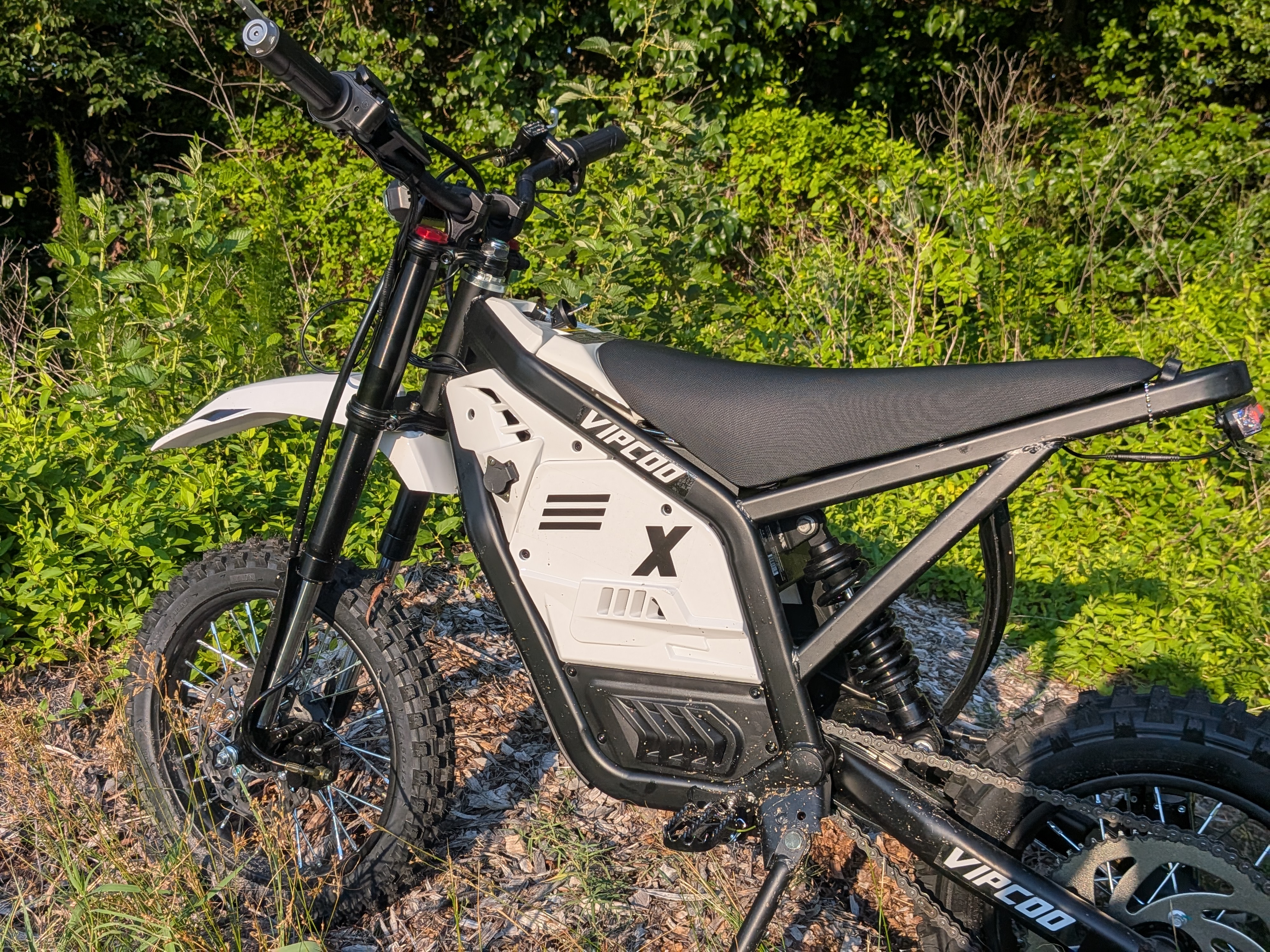
The VIPCOO H2 electric dirt bike has emerged as a compact, entry-level option in the growing market for youth and beginner-focused electric off-road vehicles. Featuring a 3500W mid-drive motor and a scaled-down frame, the bike is designed to provide sufficient torque for technical maneuvers, including wheelies, while maintaining a size profile that remains accessible to novice riders.
As the electric motorcycle sector shifts toward more diverse form factors, the VIPCOO H2 serves as a case study in how manufacturers are balancing raw power with physical dimensions. According to product specifications for the model, the bike utilizes a staggered tire setup—14 inches in the front and 12 inches in the rear—a configuration often chosen to optimize handling on uneven terrain while keeping the center of gravity low. This design choice aims to bridge the gap between heavy-duty electric motorbikes and smaller, less capable recreational pit bikes.
Engineering and Performance Metrics
At the heart of the VIPCOO H2 is a 3500W mid-drive motor. Unlike hub-mounted motors, which are common in budget-friendly electric scooters and entry-level bikes, a mid-drive motor is positioned closer to the center of the frame. This placement is widely recognized in the cycling and motorcycle industries for improving weight distribution and allowing for better suspension performance, as it reduces unsprung weight. For a detailed look at how electric drive configurations impact off-road capability, the National Highway Traffic Safety Administration (NHTSA) provides general guidance on the safety and operational differences of various motorcycle power systems.

The power output of 3500W is notable for a bike of this stature. In the context of electric off-road vehicles, wattage ratings are primary indicators of a bike’s ability to handle incline and acceleration. While the H2 is marketed for beginners, the high torque inherent in electric drivetrains means that the power delivery is immediate. Riders are typically advised by safety experts to familiarize themselves with throttle sensitivity in controlled environments before attempting more advanced riding techniques like the wheelies the bike is reportedly capable of performing.
Design Philosophy and Rider Accessibility
The physical footprint of the VIPCOO H2 is a defining characteristic. By opting for a 14/12-inch wheel configuration, the manufacturer has prioritized maneuverability over high-speed stability. This setup is common in the “play bike” category, where the goal is to provide a platform that is easy to manage on trails or dirt tracks where space may be limited. The smaller frame size is specifically intended to cater to younger riders or adults looking for a lightweight, easily transportable machine that can fit into the back of a standard vehicle without specialized towing equipment.

Maintenance for this class of electric bike differs significantly from traditional combustion-engine dirt bikes. Because the H2 lacks a carburetor, spark plugs, or a complex exhaust system, owners generally see a reduction in routine mechanical maintenance. However, the reliance on high-capacity lithium-ion battery packs requires adherence to manufacturer charging protocols to ensure longevity and safety. Users are encouraged to consult the specific owner’s manual for charging cycles and storage temperature recommendations, as improper battery care is the most common cause of premature power loss in electric two-wheelers.
Market Position and Safety Considerations
The VIPCOO H2 occupies a competitive niche. Many traditional manufacturers, such as Honda or Yamaha, have historically dominated the youth off-road segment with 50cc or 110cc internal combustion models. The H2 represents the transition toward electrification in this segment, offering a quieter riding experience that may be more suitable for residential areas or locations with strict noise ordinances.
Prospective buyers should note that electric dirt bikes are subject to varying regional regulations. In many jurisdictions, these vehicles are categorized as “off-road only,” meaning they cannot be legally operated on public roads or city streets. Before purchase, it is advisable to check local ordinances regarding the use of electric off-road vehicles, as some regions may require registration or limit usage to private property. The Consumer Product Safety Commission (CPSC) offers resources on the safe operation and maintenance of off-highway vehicles, emphasizing the importance of protective gear, including helmets and body armor, regardless of the bike’s power source.

As the market for these electric models expands, the industry is seeing a shift toward more transparent power ratings and standardized battery safety testing. The VIPCOO H2’s performance claims reflect a broader trend of manufacturers attempting to provide “big bike” power in a “small bike” package. While the machine offers significant utility for trail riding and skill development, its performance should be respected by beginners. Future updates from the manufacturer regarding battery certifications or updated frame iterations are expected to be released through their official distribution channels. Readers are encouraged to share their experiences with electric off-road platforms in the comments section below.