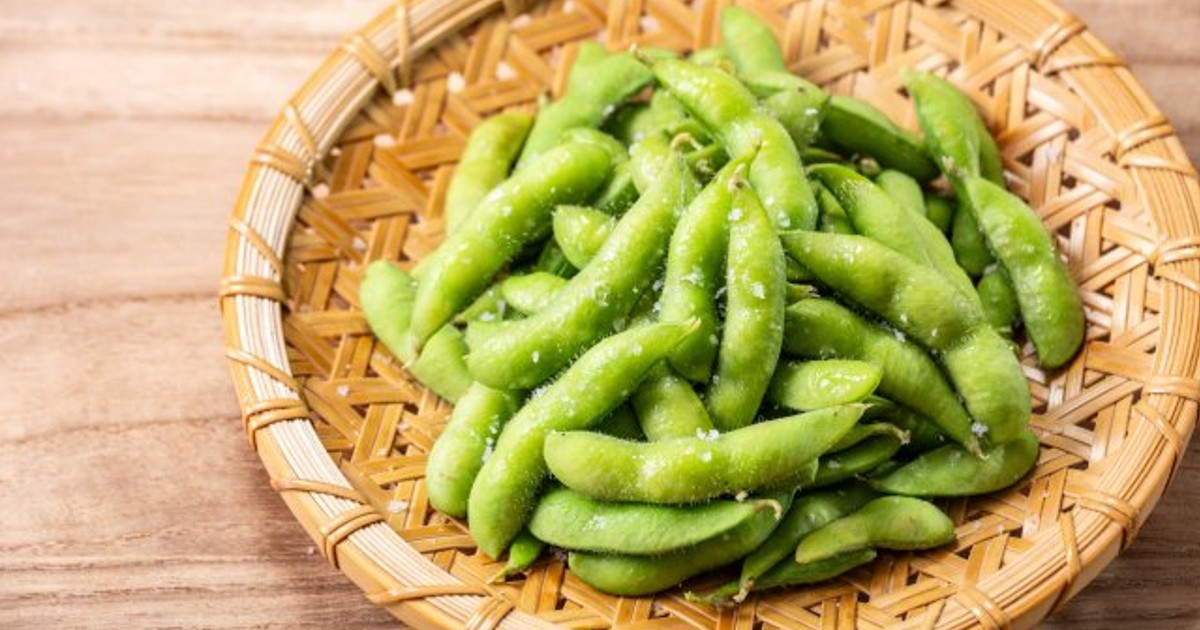
Japanese culinary master Masahiro Kasahara, owner of the renowned Tokyo restaurant Sanpi Ryoron, has shared his definitive method for boiling summer edamame, drawing significant attention online. A video demonstrating his technique quickly surpassed 140,000 views on social media, highlighting widespread public interest in perfecting the preparation of the seasonal green soybean staple.
Kasahara, widely recognized for his modern approach to traditional Japanese cuisine, focuses on maximizing the natural sweetness and vibrant color of the pods through precise salt ratios and cooking times. The recipe addresses common pitfalls in home cooking, such as overboiling or under-salting, which often dull the flavor and texture of the summer delicacy.
For home cooks looking to replicate the results, the preparation relies on strict measurements and specific handling of the bean pods before they hit the boiling water. Culinary experts note that edamame is a rich source of plant-based protein and dietary fiber, making it a staple of seasonal Japanese dining during the warmer months.
The Secrets to Kasahara’s Edamame Method
The core of Kasahara’s technique involves massaging the edamame pods with coarse salt before cooking, a step known as salt-rubbing or suri-komi. This process not only removes the fine hairs on the pods, which can interfere with the mouthfeel, but also allows the salt to penetrate the skin slightly, seasoning the beans as they boil.
According to the culinary demonstration, cooks should use roughly 40 grams of salt for every 400 grams of edamame pods. Crucially, Kasahara advises against rinsing the salt off before boiling; the salted pods go directly into the boiling water, where a 4 percent salt concentration is maintained.
Cooking time is kept intentionally brief—typically around three to four minutes—to retain a firm, crisp bite rather than a mushy texture. Once drained, the pods should be cooled rapidly using a fan rather than cold water, which prevents the heat from continuing to cook the beans while preserving their bright green hue.
Seasonal Appeal and Culinary Context
Edamame harvested during the peak summer months offers a distinct sweetness that sets it apart from imported or out-of-season alternatives. Japanese households traditionally enjoy the snack lightly chilled alongside cold beverages, making it an essential component of summer dining culture.
Sanpi Ryoron, located in Tokyo’s Setagaya ward, has built a reputation for making traditional Japanese food accessible through media appearances, cookbooks, and online channels. Kasahara’s approach emphasizes respect for seasonal ingredients, encouraging home cooks to rely on basic pantry staples like quality salt rather than complex seasonings.
Food safety authorities and culinary instructors generally recommend consuming boiled edamame within a day or two when stored properly in the refrigerator to maintain optimal flavor and texture. For those seeking official updates or further seasonal recipes from professional kitchens, public broadcasting networks and established culinary portals frequently feature similar guidance from certified chefs.
Related reading