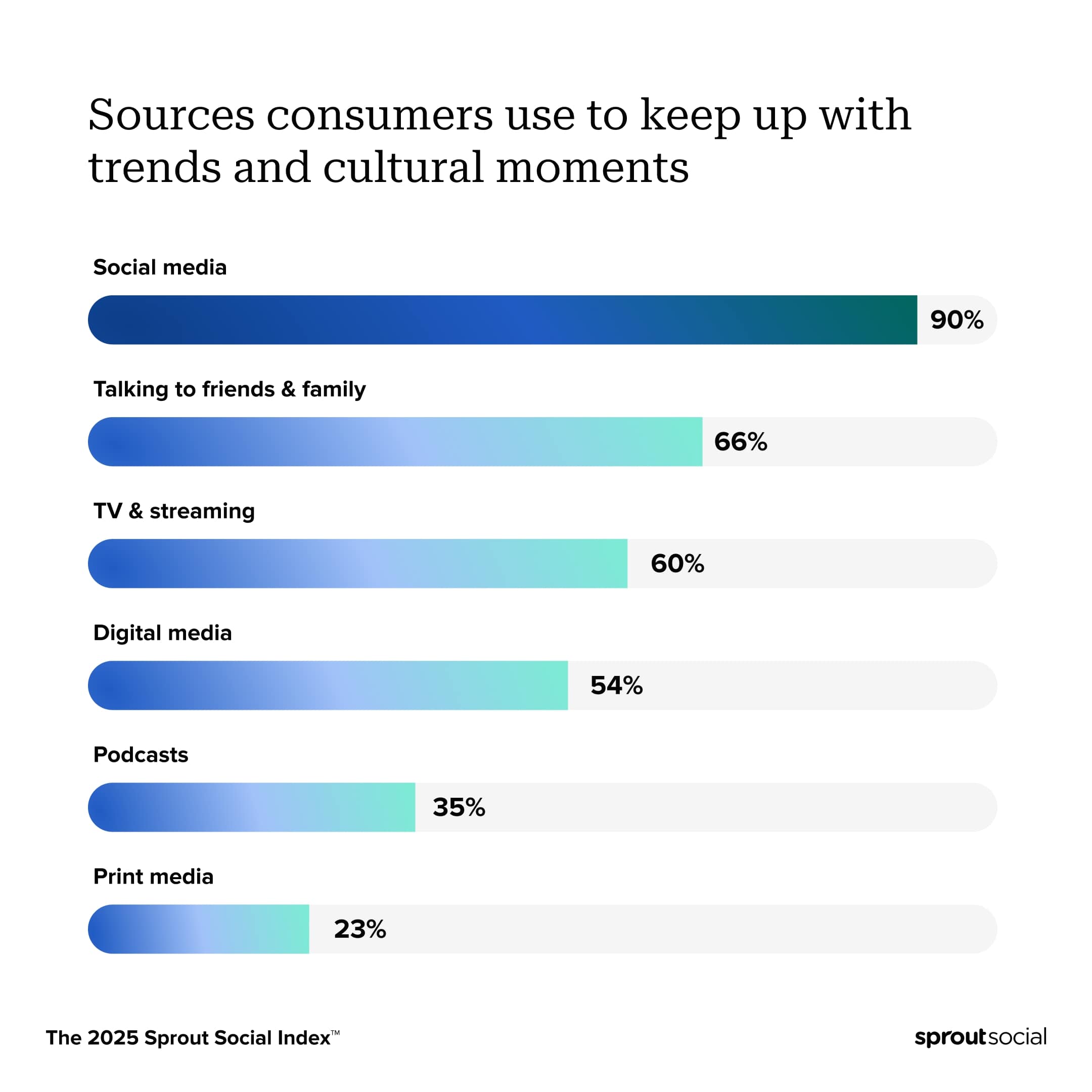
In the rapidly evolving landscape of digital culture, social media trends have become the modern-day water cooler, shaping how we consume, discuss, and relate to cinema. Lately, a surge of nostalgia-driven content has dominated our feeds, specifically through the viral question: “¿Qué película te recuerda?”—or, “Which movie does this remind you of?” This interactive phenomenon has turned Instagram and TikTok into massive, crowdsourced film archives, where users share snippets of their lives set to iconic soundtracks or specific cinematic aesthetics.
As an entertainment journalist who has spent over 15 years navigating the intersection of Hollywood and pop culture, I have seen many trends come and go. However, this particular movement is different. It isn’t just about movie recommendations; It’s a profound exercise in emotional storytelling. By linking personal memories to specific film scenes, users are effectively curating their own autobiographies, proving once again that film remains our most powerful collective language for expressing the human experience.
The Psychology Behind Cinematic Nostalgia
Why do we feel such an urgent need to associate our personal lives with the silver screen? According to research published by the American Psychological Association, nostalgia acts as a psychological buffer, helping individuals maintain a sense of continuity and social connection, especially during periods of societal change. When a user on Instagram posts a video asking, “Which movie does this remind you of?”, they are inviting their audience to participate in this emotional validation.
This trend thrives because of the high-quality, short-form video tools now integrated into platforms like Instagram Reels and TikTok. With simple editing features, users can overlay a clip from a classic film—perhaps a sweeping shot from a Wes Anderson feature or a tense moment from a classic noir—onto their own travel footage or candid moments. The result is a highly personalized “cinematic edit” that bridges the gap between reality and fantasy.
How to Participate in the Trend Responsibly
If you are looking to join the conversation, the process is straightforward but benefits from a bit of creative intention. The most viral videos currently circulating are those that focus on specific “vibes”—the color palette of a scene, the pacing of a monologue, or the specific emotional resonance of a film score. When selecting a film to represent a memory, consider the following:
- Focus on the Atmosphere: Don’t just pick a blockbuster; pick a film that matches the lighting and mood of your video.
- Use Authentic Audio: Instagram’s music library now features thousands of original scores. Using an iconic piece of film music can instantly trigger recognition in your viewers.
- Keep it Personal: The most successful posts are those that reveal something genuine about the creator, whether it’s a shared love for a specific genre or a poignant memory attached to a childhood favorite.
It is important to remember that as these trends grow, so does the prevalence of copyright-protected material. While fair use generally covers short clips used for commentary or transformative purposes, platforms like Instagram have sophisticated Copyright and Intellectual Property policies. Always ensure you are utilizing the platform’s built-in music and editing tools to remain within the community guidelines, which helps prevent your content from being muted or removed.
The Future of Interactive Film Culture
Looking ahead, we can expect this intersection of social media and film to become even more sophisticated. Studios are increasingly recognizing the value of these organic trends, often leaning into the “meme-ification” of their own back catalogs to drive engagement for upcoming releases or streaming arrivals. According to industry reports from Nielsen, social media engagement is now a primary metric for gauging the long-term cultural impact of a film, often outweighing traditional box office receipts in the digital age.
For those of us who live and breathe entertainment, this is an exciting evolution. It democratizes criticism and appreciation, shifting the power from traditional gatekeepers to the audience itself. We are no longer just watching movies; we are living them, one 15-second clip at a time.
Key Takeaways for Creators
- Engagement is Key: Frame your video as a question to encourage comments, as the algorithm prioritizes high-interaction posts.
- Quality Over Quantity: Even a short clip benefits from good lighting and clear audio—don’t neglect the basics of cinematography.
- Respect Copyright: Use the native tools provided by Instagram to avoid content takedowns.
- Stay Authentic: The most viral content is that which feels personal and vulnerable rather than overly produced or scripted.
As we continue to track how these trends shift, the relationship between the viewer and the screen has never been more intimate. Whether you are a casual fan sharing a favorite scene or a cinephile curating a mood board, your contribution to this digital conversation adds to the vast, ongoing history of cinema. I look forward to seeing how these trends continue to evolve throughout the year. What movie does this moment remind you of? Share your thoughts in the comments below, and let’s keep the conversation going.