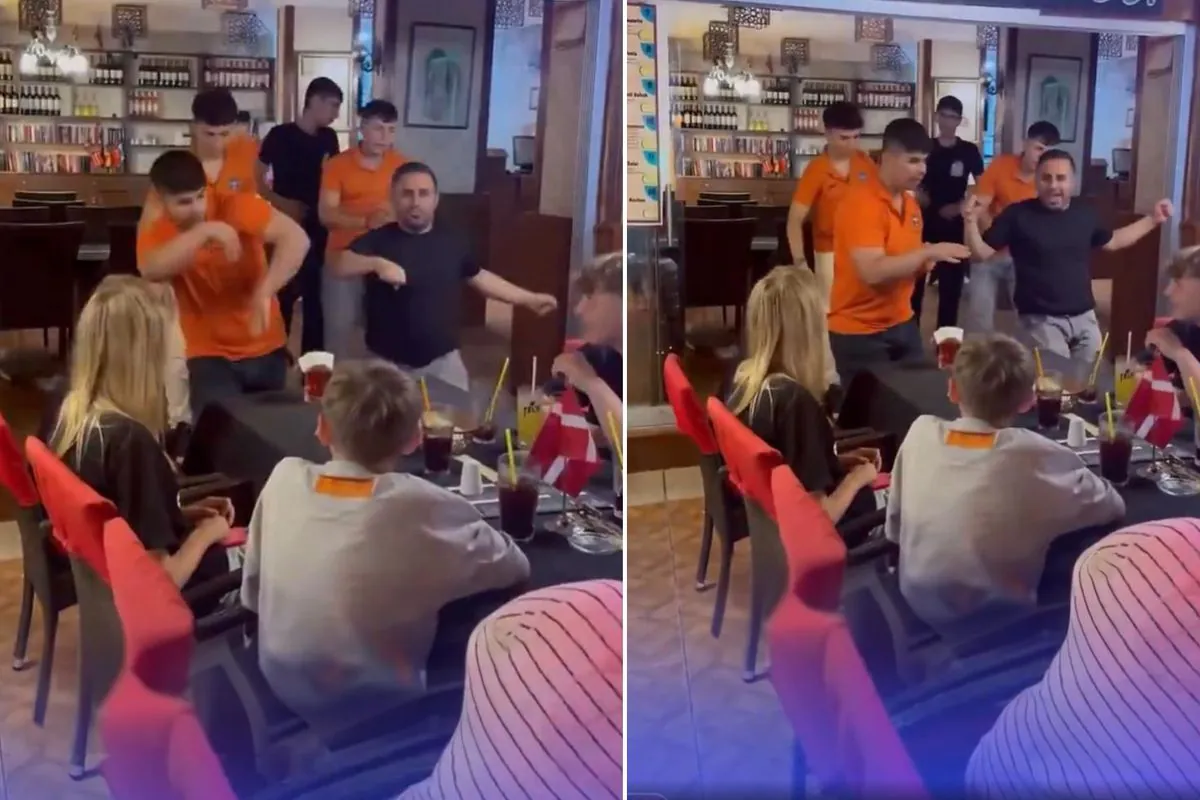
A viral video originating from a restaurant in the popular Turkish coastal resort town of Alanya has ignited a widespread public debate regarding the boundaries of professional hospitality and the nature of service-oriented entertainment. The footage, which has circulated across multiple social media platforms, depicts staff members engaging in high-energy, physical interactions with patrons, leading to polarized reactions from international travelers and local tourism officials regarding what constitutes acceptable service standards in Turkey’s competitive hospitality sector.
According to reports verified through local media monitoring, the incident has prompted discussions about the evolving expectations of tourists visiting the Turkish Riviera. While some social media users characterize the interactions as an attempt to foster a lively, “authentic” vacation atmosphere, others have raised significant concerns regarding physical boundaries and the potential for such displays to cross into harassment. The Ministry of Culture and Tourism in Turkey has historically emphasized the importance of maintaining professional service standards to protect the country’s reputation as a top-tier global travel destination, as outlined in their official National Tourism Strategy guidelines.
Contextualizing Hospitality Norms in Alanya
Alanya, located in the Antalya province, remains one of the most visited regions in Turkey. The local tourism economy relies heavily on the “all-inclusive” model, where entertainment and service staff often play a central role in guest satisfaction. However, the viral footage has forced a re-examination of these roles. Industry analysts noted that while “animation teams”—staff specifically hired to entertain guests—are a staple of Turkish resorts, the shift toward aggressive or overly familiar service styles in public dining spaces has become a point of contention.

The debate largely centers on the concept of “service as performance.” In many Mediterranean hospitality settings, staff are encouraged to be personable; however, there is a clear legal distinction between professional hospitality and conduct that infringes upon a guest’s personal space. Under Turkish law, specifically the provisions within the Turkish Penal Code (Article 105), any conduct that constitutes harassment or unwanted physical contact can lead to criminal liability, regardless of the setting. The current discourse highlights a growing demand from international travelers for clearer definitions of what is acceptable behavior from service staff during dining experiences.
Stakeholder Reactions and Industry Impact
Local business owners and tourism associations in Alanya have expressed concern that the viral nature of the video could negatively impact perceptions of the region. Representatives from the Alanya Tourism Promotion Foundation (ALTAV) have previously emphasized that the quality of service is a primary metric for guest retention. When service staff engage in behavior that makes tourists feel uncomfortable, it risks undermining the efforts of the wider industry to project a welcoming and safe environment.
For the average traveler, the incident serves as a reminder to be aware of the cultural and professional norms of their destination. Tourism experts suggest that guests who feel uncomfortable should immediately communicate their concerns to restaurant management or hotel front-desk staff. If the issue is not resolved, formal complaints can be directed to the Association of Turkish Travel Agencies (TÜRSAB), which monitors service quality and adherence to professional standards across the country’s tourism infrastructure.
Looking Toward Future Standards
As the video continues to circulate, the conversation has moved toward the implementation of stricter training protocols for service staff. Many high-end establishments are now reviewing their internal policies to ensure that entertainment activities remain within the bounds of respectful service. The focus is on balancing the high-energy, friendly culture that many tourists expect in Turkey with a rigorous adherence to professional boundaries.
The next phase of this discussion will likely involve formal guidance from local tourism boards to restaurant and hotel operators regarding the conduct of their staff in public-facing roles. Travelers planning visits to the region are encouraged to check official government travel advisories and review platforms for recent feedback on specific establishments. As of the latest updates from local authorities, no specific legal charges have been filed against the individuals identified in the viral clip, though the incident remains a catalyst for broader industry reform.
We will continue to monitor updates from local tourism authorities regarding any new directives issued in response to these concerns. If you have had experiences with service standards in the Turkish Riviera, we encourage you to share your perspective in the comments section below.
Worth a look
- Anghami Co-Founder Launches IPNation: $100M Investment Platform for Arabic Music and Entertainment IP
- Why ‘The Ministry of Ungentlemanly Warfare’ Is Henry Cavill’s Best Performance
- Mafia Concerns in Partinico: Return of Leonardo Vitale Sparks Fear of Past Violence (archynewsy.com)
- The Future of Health Insurance Coverage and Healthcare Standards (world-today-news.com)